
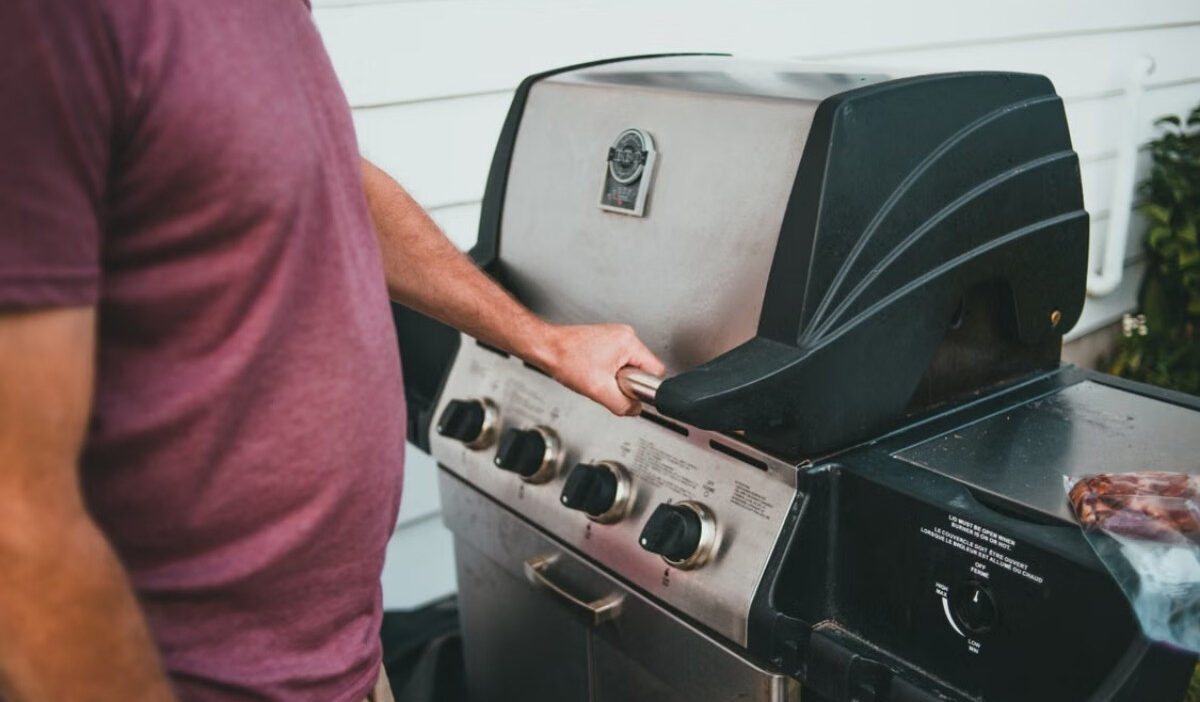
How to clean a gas grill can feel more complicated than expected when grease builds up inside the cookbox, burner ports become blocked, or different surfaces require different cleaning methods. Using the wrong tool or cleaner can also damage the finish or interfere with important gas components.
This guide breaks the process into manageable steps, from cleaning the grates and interior to maintaining the exterior and grease system, so you can care for your grill more safely and confidently.
1. What You Need Before Cleaning a Gas Grill
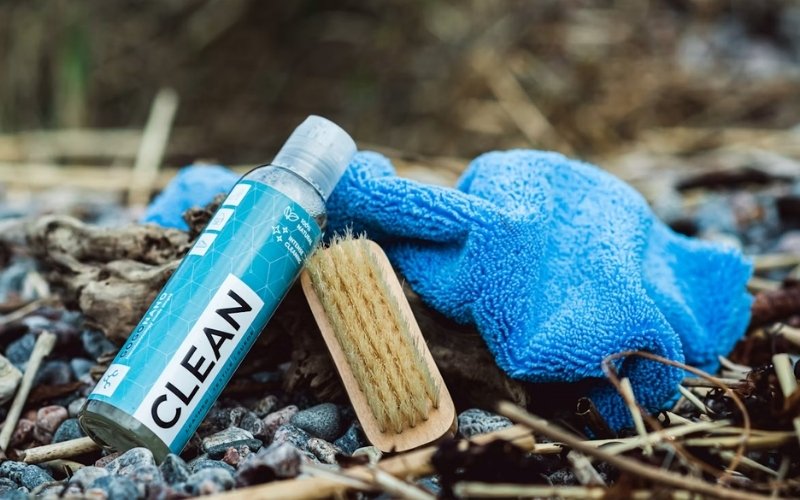
Gather the supplies you need for how to clean a gas grill, including warm water, mild dish soap, a soft cloth or nonabrasive sponge, and a suitable grill brush or scraper.
A bucket can hold removable parts when soaking is permitted, while clean towels help dry washed components before they are reinstalled.
Choose tools that match the cooking grates, cookbox, exterior finish, and burner design. Keep the manufacturer’s instructions available because cleaning methods and removable components vary by model.
Before deep cleaning, turn off all burner controls and shut off the gas supply. Allow the grill to cool completely before removing internal components. Follow the owner’s manual if it gives additional shutdown or disconnection instructions.
2. How to Clean The Inside of a Gas Grill
For how to clean a gas grill, begin with the removable parts so you can access the cookbox, grease system, and burner area more easily.
Clean the Cooking Grates and Burner Covers
Remove the grates and burner covers, then brush away loose food, grease, and carbon with a tool suitable for the material.
If the manufacturer allows washing, clean the parts with warm, soapy water, rinse them well, and dry them completely before reinstalling them. Avoid soaking cast iron or coated parts unless the manual permits it.
Scrape the Cookbox
For how to clean the inside of a gas grill, scrape loose grease, carbon, and food residue from the cool cookbox.
Push the debris toward the grease tray or collection opening, then wipe the remaining surface with a damp cloth if allowed. Do not pour water into the cookbox or let cleaner enter the burners, ignition system, or gas components.
Clean the Burner Tubes Carefully
Inspect the burner ports and air openings for grease, insects, rust, or other blockages.
Clean the burners according to the manufacturer’s instructions and take care around the ignition electrode. Do not force sharp objects into the ports, enlarge the openings, or pour water into the burner tubes.
Empty the Grease Tray and Drip Pan
Remove the grease tray or drip pan once the grease has cooled.
Scrape solid residue into the trash, then wash reusable parts with warm, soapy water if permitted. Rinse and dry them before reinstalling, and replace disposable liners when they become heavily soiled.
3. Cleaning the Outside of a Gas Grill
How to clean a gas grill inside and out requires matching the cleaner to each exterior material.
For most painted, porcelain-enameled, and plastic surfaces, use warm water with mild dish soap and a soft cloth or nonabrasive sponge. Rinse or wipe away the soap according to the manufacturer’s directions, then dry the surface.
Do not use stainless steel cleaner on painted, porcelain, plastic, or powder-coated parts. Stainless steel cleaner should be limited to compatible stainless steel surfaces.
For stainless steel, use a cleaner approved for that finish and wipe in the direction of the grain. Test the product on a small area first and keep cleaner away from control labels, burner openings, ignition components, and food-contact surfaces unless the product is specifically approved for them.
As part of how to clean a gas grill, wipe the lid, handles, control panel, cabinet, and side tables using a method appropriate for each material.
>>> Read more: How to Clean Grill Grates Easily for Grease, Burnt Food, and Rust
4. Do Weber and Bull Gas Grills Need Different Cleaning?
If you need to know how to clean a Weber gas grill, check the manual for the exact Weber series and model. Weber commonly recommends scraping the cool cookbox toward the grease system, brushing across the burner ports, and cleaning spider screens with a soft brush.
For how to clean a Bull gas grill, follow the instructions for the specific grill head. Some Bull manuals direct users to shut off the gas, remove the burners, clean the outside surfaces, and clear blocked burner openings with approved tools.
5. How Often Should You Clean a Gas Grill?
The right cleaning schedule depends on how often you cook, what foods you grill, and how quickly grease and carbon collect.
Use both the grill’s condition and the manufacturer’s maintenance guidance to decide when cleaning is due.
| When | Cleaning task |
| After every cook | Remove fresh food residue from the grates using a suitable cleaning tool |
| Before each use | Check the grease system for excessive buildup and inspect the grill for obvious damage or blockages |
| As grease accumulates | Empty the grease tray and clean the grease collection area. |
| Periodically during the grilling season | Inspect burner ports, heat shields, the cookbox, ignition parts, and gas hoses |
| After extended storage | Check for insects, nests, corrosion, damaged hoses, clogged burner tubes, and gas leaks before lighting |
| When buildup becomes substantial | Perform a deeper cleaning of the grates, cookbox, burner covers, grease system, and exterior |
| According to the manual | Complete any model-specific seasonal or annual maintenance |
There is no single deep-cleaning interval that fits every grill. Weber recommends more frequent deeper cleaning for heavily used grills, and some current Weber guidance suggests approximately every three months for frequently used models.
6. Tips to Protect and Maintain Your Gas Grill
A few maintenance habits can make regular cleaning easier and help keep your gas grill ready for cooking.
What to Avoid When Cleaning a Gas Grill
Good how to clean a gas grill practices start with methods that suit the grill surface and gas components.
- Do not use abrasive tools on surfaces that can scratch.
- Do not pour water directly into the burner or gas component area.
- Do not use cleaning products on a surface unless they are suitable for that material.
- Do not apply a cleaning method to burner components unless the grill’s instructions allow it.
Tips to Keep Your Gas Grill in Good Condition
These simple habits make how to clean a gas grill easier between deeper cleanups.
- Brush food residue from the grates after cooking.
- Empty the grease tray regularly as residue collects.
- Check the burner tubes periodically for blockages, especially after the grill has been stored for an extended period.
- Inspect gas hoses for cracks, holes, brittleness, leaks, or sharp bends.
- Keep gas hoses away from hot surfaces and dripping grease.
- Cover or store the grill when it is not in use to protect it from weather and pests.
These tips cover only basic gas grill care and do not replace the instructions for your specific model. For the safest approach, follow the owner’s manual, shut off the gas before maintenance, and contact the manufacturer or a qualified technician if you notice leaks, damaged parts, or burner problems.
>>> Read more: How to Grill Steak on Gas Grill for the First Time
FAQs
Here are concise answers about how to clean a gas grill, from products to cleaning frequency.
1. Can I use Dawn dish soap to clean my grill?
Yes, mild dish soap can be used with warm water on suitable removable parts and exterior surfaces. Rinse the parts with clean water and follow your grill manufacturer’s care instructions.
2. Can you pour water on a gas grill to clean it?
Use water as part of a controlled cleaning method rather than pouring it directly into the burner area. Clean removable parts separately and follow the manufacturer’s instructions for internal components.
3. Do I clean a Weber or Bull gas grill differently?
The basic cleaning approach can be similar, but component removal and care instructions can vary by model. Check the owner’s manual before removing internal parts or applying a cleaner.
4. How often should you deep clean a gas grill?
Deep clean when grease and residue have built up beyond routine cleaning. The right frequency depends on how often you use the grill and the manufacturer’s maintenance guidance.
5. Can you clean a gas grill without a wire brush?
Yes. A suitable scraper or nonabrasive cleaning pad can remove residue from many grill surfaces. Choose the tool based on the grate material and the manufacturer’s care instructions.
Conclusion
A well-maintained grill is easier to cook on, easier to inspect, and less likely to develop heavy grease buildup or blocked burners. Learning how to clean a gas grill is not about scrubbing every part the same way, but understanding which components need routine attention and which require model-specific care.
Small habits, such as emptying the grease tray, checking the burner ports, and cleaning residue before it hardens, can make deeper cleanings far less demanding. When anything looks damaged, clogged, or unsafe, the owner’s manual or a qualified technician should always guide the next step.