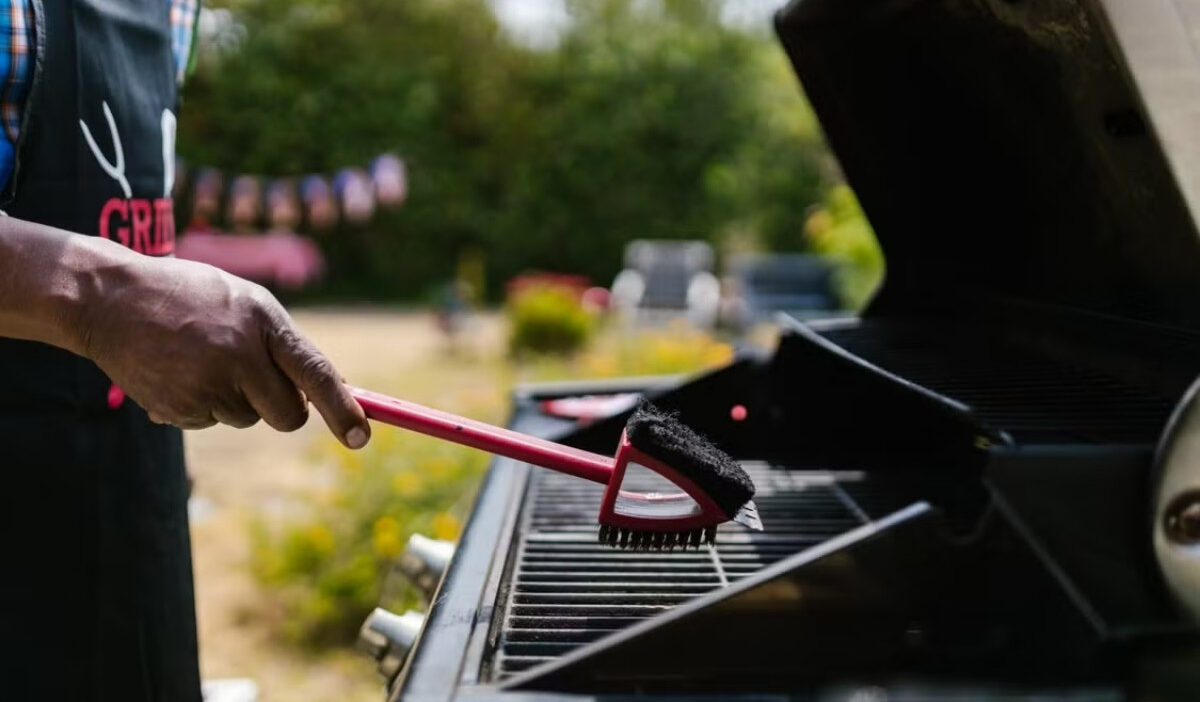
How to clean a Blackstone grill helps keep the cooking surface ready for every meal while supporting consistent performance over time.
This guide explains the tools to prepare, the cleaning steps to follow, and the maintenance habits that help keep a Blackstone grill in good condition.
1. What You’ll Need Before Cleaning Your Blackstone Grill
A few basic tools make the cleaning process faster and help you care for the cooking surface more effectively.
1.1 Essential Tools for Routine Cleaning
Most routine cleaning jobs require only a small set of items.
- Griddle scraper: Remove food residue, grease, and small particles from the cooking surface after each use. This tool handles most routine cleaning tasks quickly and supports how to clean a Blackstone grill efficiently.
- Water bottle: Hold clean water for steaming the grill surface. A small amount of water helps loosen stuck food and residue so it can be scraped away more easily.
- Paper towels: Absorb moisture, wipe away loosened debris, and spread oil evenly across the grill surface after cleaning.
- High smoke point oil: Create a thin protective layer that supports the seasoning and helps maintain the cooking surface between uses.
- Microfiber cloth: Clean shelves, side tables, handles, and other exterior parts without leaving lint behind.
1.2 When Water, Soap, or a Grill Stone May Be Useful
Water works well when food particles stick to the cooking surface. A small amount on a warm grill creates steam that helps release residue.
Mild dish soap can be used occasionally during deep cleaning or restoration projects, but it may remove some of the seasoning layer and typically requires re-seasoning afterward. After soap use, a fresh seasoning layer helps restore the cooking surface and supports how to clean a Blackstone grill correctly.
Grill stones are most useful for rust removal, heavy carbon buildup, or surface restoration. Excessive use may remove seasoning and require re-seasoning afterward. Gentle pressure usually produces the best results while preserving the cooking surface.
2. How to Clean a Blackstone Grill After Cooking
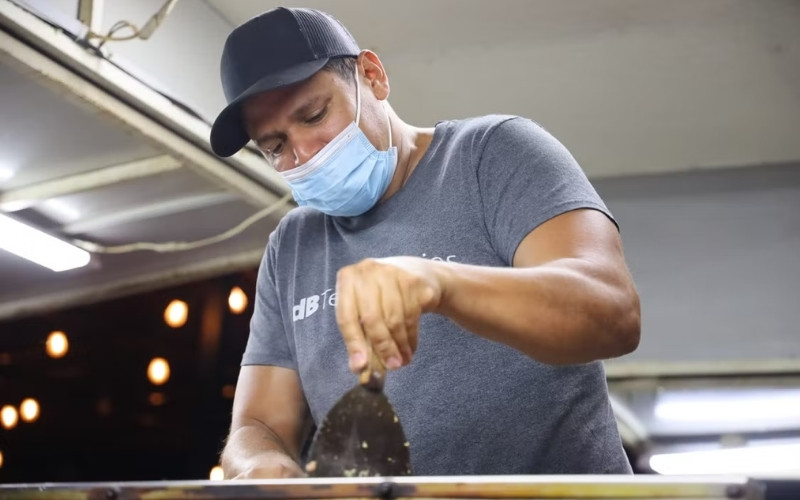
If you want to learn how to clean a Blackstone grill after cooking or how to clean a Blackstone flat top grill, follow these steps while the surface remains warm.
- Step 1: Scrape away food and grease. Use a griddle scraper on the warm surface to push food debris and grease into the grease trap.
- Step 2: Steam and loosen stubborn residue. Pour a small amount of water on stuck areas, then scrape once the residue loosens.
- Step 3: Dry the surface completely. Wipe the cooking surface with paper towels until it is fully dry.
- Step 4: Apply a thin layer of oil. Spread a light coat of high smoke point oil over the grill top and let it cool before storage.
These four steps answer the question of how to properly clean a Blackstone grill for everyday use.
>>> Read more: How to Clean Grill Grates Easily for Grease, Burnt Food, and Rust
3. How to Handle Common Blackstone Cleaning Situations
Cleaning a Blackstone grill that hasn’t been used for a while: A grill that has sat unused may collect dust, residue, or moisture.
- Wipe away dust and debris.
- Clean the grease collection area.
- Check for rust spots.
- Apply a light coat of oil if needed.
Removing light rust spots: Light rust usually affects only the surface layer and can be removed with basic tools.
- Scrub gently with a grill stone or scraper.
- Wipe away loose rust particles.
- Apply a thin layer of oil to the cleaned area.
Fixing a sticky cooking surface and black residue: Excess oil can create a sticky surface, while old oil may leave black residue. Severe stickiness may require heating the surface to burn off excess oil before re-seasoning.
- Scrape away buildup.
- Use a small amount of water to loosen residue.
- Wipe the surface clean.
- Finish with a thin, even coat of oil.
4. Common Blackstone Cleaning Mistakes to Avoid
A few habits can affect cleaning results and surface performance over time.
- Applying too much oil after cleaning often creates a sticky finish. A thin layer creates a more even protective coating.
- Leaving food residue on the surface after cooking allows carbonized buildup to develop over time. A quick cleanup keeps the cooking area smoother and makes how to clean a Blackstone grill easier after each meal.
- Skipping the grease trap allows buildup to accumulate over time. A quick check after each cook keeps the area cleaner.
- Using excessive force with abrasive tools may remove more material than necessary. Gentle cleaning often produces better results.
- Covering the grill while the heat remains inside can create condensation under the cover. Allowing the grill to cool first helps maintain a more stable storage environment.
5. How to Maintain the Seasoning Layer and Prevent Future Buildup
Long-term performance depends on consistent care between cooking sessions.
5.1 What a Healthy Seasoned Surface Looks Like
A healthy seasoned surface usually appears dark and smooth. Color variations across different sections are common and often develop naturally through regular use.
Food should move easily across the surface, and the cooking area should feel smooth after routine cleaning. These signs indicate how to clean a Blackstone grill properly over time.
5.2 How Often to Deep Clean or Re-Season
Most owners perform routine cleaning after each cook and reserve deep cleaning for occasional maintenance.
Consider deep cleaning every few months if the grill sees frequent use. This helps refresh the cooking surface and remove residue that routine cleaning may leave behind.
Re-season after major surface restoration or whenever the cooking surface no longer appears evenly seasoned. A fresh seasoning layer helps maintain consistent cooking performance and protects the surface.
5.3 Storage Practices That Help Prevent Rust
Proper storage supports long-term grill care.
Helpful practices include:
- Allow the grill to cool completely.
- Dry the cooking surface before covering.
- Store the grill in a protected location.
- Use a cover designed for outdoor cooking equipment.
- Check the surface periodically during long storage periods.
These habits help how to clean a Blackstone grill top and maintain it throughout the year.
>>> Read more: How to Grill Filet Mignon for Perfect Flavor Every Time
6. FAQs
The following answers address several common questions about Blackstone grill maintenance.
1. Can you use Dawn dish soap on a Blackstone griddle?
Yes. Dawn dish soap can be used for occasional deep cleaning, then re-season the surface afterward to restore the protective oil layer.
2. When is a full re-seasoning necessary?
A full re-seasoning is necessary after rust removal or heavy buildup cleanup. It also helps when the seasoning layer becomes uneven, and food begins to stick more often.
3. Can you leave oil on a Blackstone grill after cleaning?
Yes. Leave a thin, even layer of oil on the surface to help protect the seasoning layer and support future cooking performance.
7. Conclusion
How to clean a Blackstone grill starts with the right tools, a clear post-cooking routine, and proper care for common surface issues.
Consistent seasoning maintenance and smart storage habits help keep the cooking surface ready for long-term use.
For more grilling guides and practical outdoor cooking advice, visit HanksTexasGrill.