How long to grill ribs is one of the first questions people ask after investing hours in seasoning, prepping, and firing up the grill. The challenge is that there isn’t a single answer.
Baby back ribs cook differently than spare ribs, gas grills behave differently than charcoal grills, and even a small temperature change can affect the final result. Understanding the timing behind great ribs is what separates tender, flavorful meat from a rack that’s still tough or accidentally overcooked.
Before you put the ribs on the grill, here’s what you need to know to get the timing right from start to finish.
1. How Long to Grill Ribs?
Most racks need about 3 to 5 hours over indirect heat at a steady, low temperature. Knowing how long to cook ribs on grill setups really starts with your heat source and the cut you pick.
If you have ever wondered, “How long does it take to cook ribs on the grill when feeding a crowd?” plan for the full window and give yourself a buffer.
Gas Grill vs. Charcoal Grill
The biggest difference comes down to heat control.
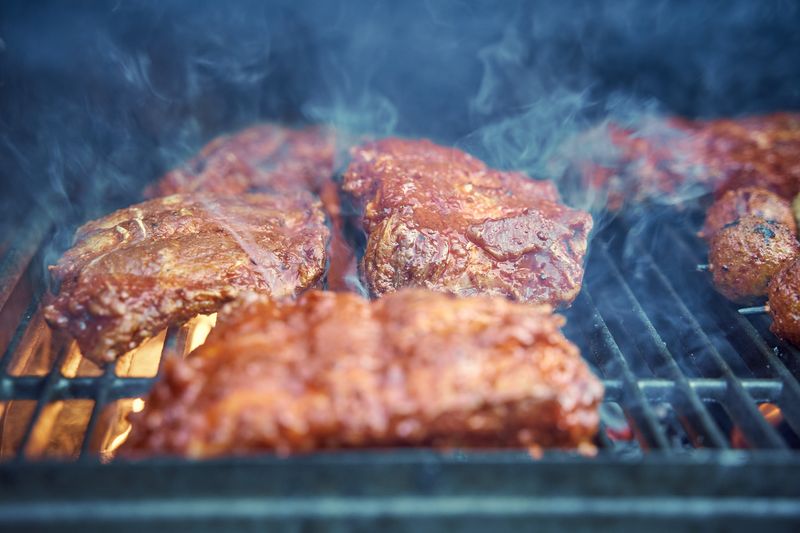
- A gas grill holds a steady temperature, so how long to cook ribs on gas grill tends to be predictable, usually around 3 to 5 hours.
- A charcoal grill can produce excellent ribs, but how long to cook ribs on charcoal grill depends more on maintaining a steady temperature than on the fuel itself. At 225°F to 250°F, most ribs still take about 3 to 6 hours regardless of whether you use charcoal or gas.
What Changes the Cooking Time?
- Thicker racks and bigger bones hold more meat, so they take longer.
- A grill running hotter than planned speeds things up, while a cold or windy day slows everything down.
- Wrapping your ribs partway through also changes the math, since foil traps steam and cooks the meat faster than open air.
>>> Read more: How to BBQ Ribs on Gas Grill Perfectly (Fall-Off-the-Bone!)
2. The Two-Phase Method That Produces Tender Grilled Ribs
One popular approach is the two-phase method, which uses a foil wrap to speed up tenderization and help retain moisture.
Phase 1: Cook the Ribs Wrapped to Retain Moisture
For the first couple of hours, wrap your seasoned ribs tightly in foil and set them over indirect heat. The foil traps steam and juices, gently steaming the meat until it turns soft and starts pulling away from the bone.
Most racks spend about 1 to 2 hours wrapped, though larger spare ribs may benefit from a longer wrapping period. Resist the urge to peek and let the heat do its job.
Phase 2: Finish the Ribs Directly on the Grill
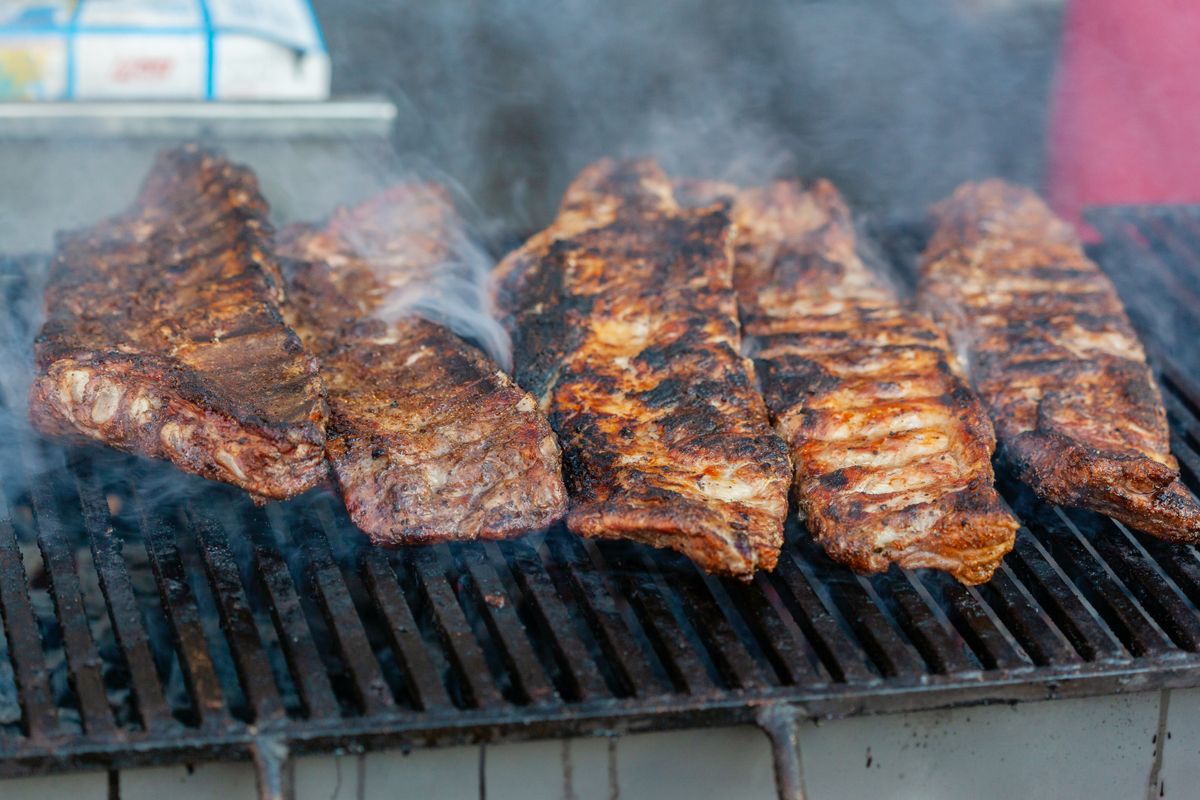
Once the meat is tender, unwrap the ribs and lay them straight on the grates. This second phase is short, usually 20 to 40 minutes. The goal is to dry the surface slightly, build a little bark, and add those tasty grill marks.
Watch closely, because exposed meat can burn fast. Flip once or twice so both sides firm up evenly.
When to Add BBQ Sauce
Save the sauce for the very end. Sugar burns fast, so brushing it on too early leaves a bitter, blackened coating instead of a glossy glaze. Add your first coat during the last 10 to 15 minutes, let it set, then add a second layer if you like it sticky.
3. Rib Type Matters
- Baby Back Ribs: Smaller, leaner, and quick to cook. Tender in around 3 to 4 hours and very forgiving for beginners.
- St. Louis Style Ribs: Trimmed spare ribs with a neat, even shape. More fat and flavor, usually needing 4 to 5 hours.
- Spare Ribs: The largest and meatiest of the three. They take the longest, often 5 hours or more, but reward your patience.
4. Grill Temperature Guidelines for Ribs
Temperature is the quiet hero of great ribs. Keep your grill steady at around 225°F to 250°F (107°C to 121°C) for most of the cook.
This low, slow range melts the tough connective tissue inside the meat without drying it out. If your grill creeps above 275°F, the outside can char before the inside turns tender, so dial it back.
For the meat, aim for 195°F to 203°F (90°C to 95°C). That sounds high, but ribs need it for the collagen to break down into a soft, juicy texture.
For charcoal, build a two-zone fire and keep the ribs over the cool side; On a gas grill, create an indirect cooking zone by lighting only some of the burners and placing the ribs away from the active heat source.
A meat thermometer takes the guesswork out completely.
5. Knowing When the Ribs Are Ready
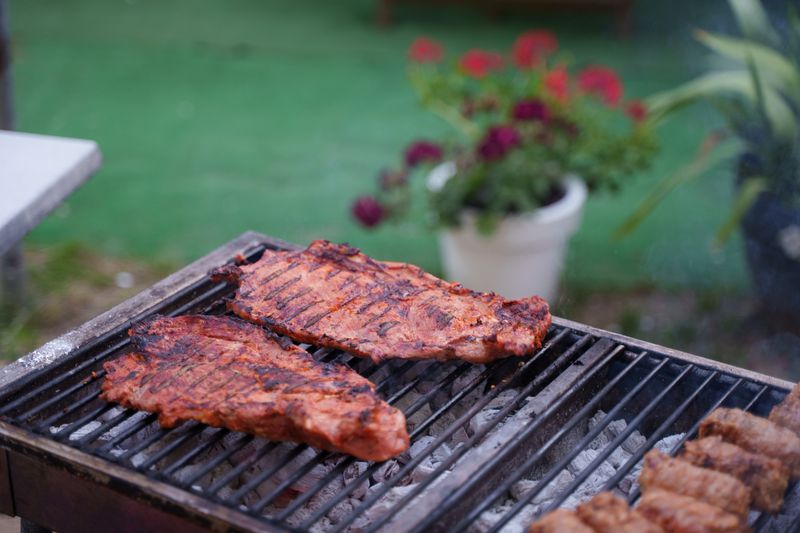
Cooking times provide a useful estimate, but ribs are finished when they become tender, not when a timer goes off. Factors such as rib thickness, weather conditions, grill performance, and temperature fluctuations can all affect how long the cook takes.
Here are the most reliable ways to check for doneness:
The Bend Test
Pick up the rack from one end using tongs and let the other end hang freely. Properly cooked ribs will bend easily, and the surface of the meat should begin to crack slightly. If the rack remains stiff, it likely needs more time.
Look for Meat Pullback
As ribs cook, the meat naturally shrinks away from the ends of the bones. When about ¼ to ½ inch of bone is exposed, the ribs are often close to done. While this isn’t a perfect test on its own, it’s a useful visual sign.
Use a Probe or Thermometer
Insert a thermometer probe, skewer, or toothpick between the bones. It should slide in with very little resistance, similar to inserting it into softened butter. Many pitmasters rely on this tenderness test more than a specific temperature reading.
Check Internal Temperature
If using a thermometer, ribs are commonly finished around 195°F to 203°F. However, tenderness is more important than reaching an exact number. Some racks may be ready slightly earlier, while others benefit from additional cooking time.
Avoid Common Mistakes
One of the biggest mistakes is removing ribs as soon as they reach a target temperature without checking tenderness. Another is relying only on cooking time. The best ribs are judged by a combination of texture, flexibility, and temperature rather than any single indicator.
>>> Read more: How Long to Cook Burgers on Grill: Exact Times Explanation
6. FAQs
Can ribs be done in 4 hours?
Yes. Baby back ribs and many gas grill setups finish within 4 hours. Larger spare ribs or a low charcoal fire may need a bit longer.
Do you flip ribs on the grill?
During the wrapping phase, flipping is not necessary. Once unwrapped, a flip or two helps both sides color evenly and keeps one side from drying out.
Should you cover ribs when grilling?
Yes. Keeping the lid down holds heat and smoke around the meat for even, low-and-slow cooking. The foil wrap covers them even more closely.
How to tell if ribs are done on a grill?
Use the bend test, look for the meat pulling back from the bones, and confirm with a thermometer reading near 200°F.
What is the difference between foil packets and foil pans for ribs?
A foil packet wraps tightly around the rack and steams it directly, which speeds things up. A foil pan holds the ribs in an open tray, catching juices while allowing some airflow, which gives a slightly firmer result.
7. Conclusion
Knowing how long to grill ribs takes much of the uncertainty out of barbecue. Instead of constantly checking the clock or wondering whether they’re ready, you can focus on the signs that matter most: tenderness, texture, and consistency.
With the right timing and a little patience, grilling ribs becomes less about following a strict schedule and more about understanding how the meat transforms over time. That’s often what makes the final result feel worth the wait.