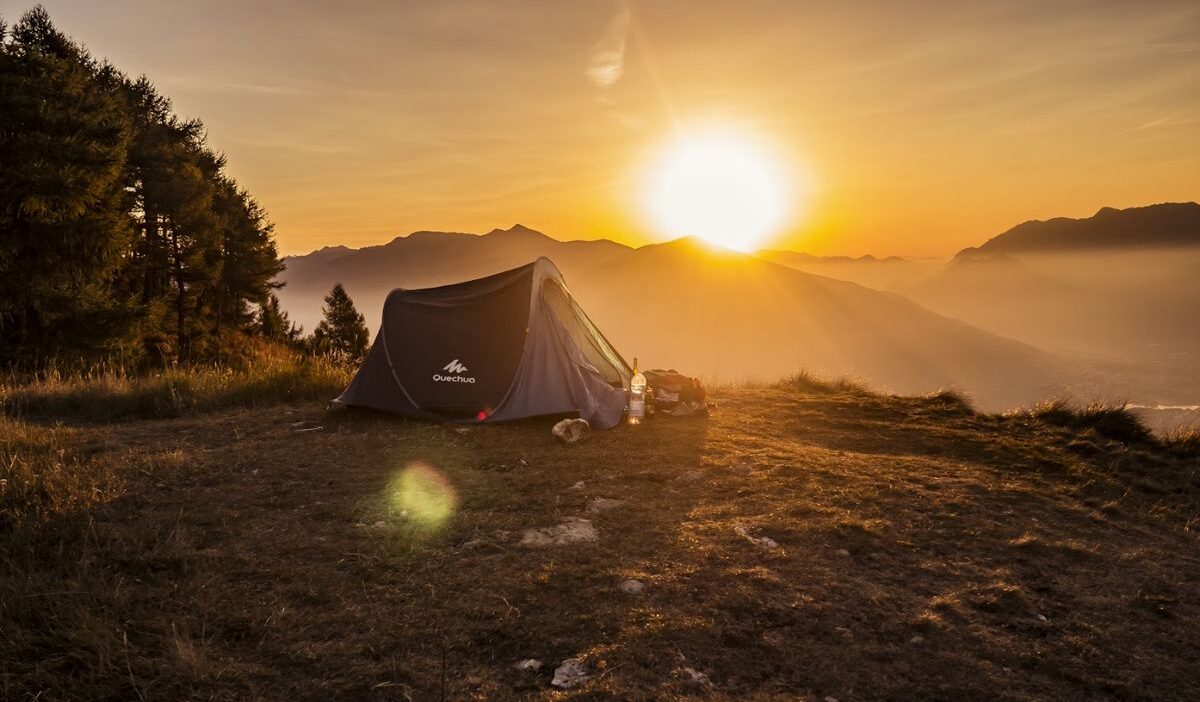
Searching for the best camping in Texas often starts with a simple idea. You want to step away for a bit, maybe just a weekend, and spend time outdoors.
You picture it clearly. A quiet campsite, fresh air, and a simple meal by the fire as the sun goes down. But once you begin planning, the question becomes harder than expected. Where do you actually go?
The more you look, the more options appear, and that is where the confusion starts. Texas is not just one type of landscape. It is a mix of environments that create very different camping experiences.
That is why the “best” choice is not about finding one perfect place. It is about choosing a setting that matches the kind of trip you want to have.
And once you start breaking those options down, the right place becomes much easier to recognize.
1. Why Camping in Texas Feels Different From Other States
The idea of the best camping in Texas is shaped by geography. Texas is not a single environment; it is a combination of very different regions.
In West Texas, the land is open and dry. In East Texas, trees and water dominate. Along the coast, wind and sand change how you camp entirely.
This leads to a cause-and-effect pattern:
- Environment → affects comfort
- Comfort → affects experience
- Experience → defines what feels “best.”
Because of this, the best camping in Texas is not universal. It changes based on what you expect from the trip.
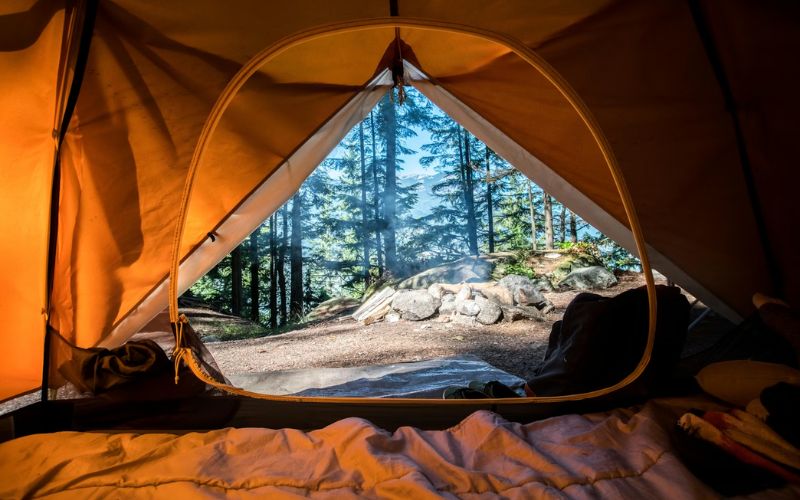
2. Best Camping in Texas by Landscape Type
2.1 Desert and canyon camping areas
Desert regions offer space, silence, and some of the clearest night skies in the country. Parks like Big Bend National Park, Guadalupe Mountains, and Palo Duro Canyon are often considered among the best places to go camping in Texas or the best camping in Texas for those seeking isolation and dramatic scenery.
These settings are also ideal for simple campfire cooking, whether you’re preparing fresh ingredients or bringing along cuts of steak to smoke under open skies.
However, that experience comes with trade-offs. Limited shade and large temperature swings mean these locations are better suited for prepared campers who can handle heat during the day and cooler nights.
2.2 Forest and lake camping locations
Forest areas bring a more balanced and comfortable environment. With natural shade, access to water, and softer ground, these spots are easier to settle into for longer stays.
Places like Garner State Park are especially popular because they combine natural beauty with convenience. This is why many travelers consider forest regions among the best camping spots in Texas when they want a mix of nature and accessibility.
2.3 Coastal camping options near the gulf
Camping along the coast offers a completely different feel. Areas like Padre Island provide open space, steady ocean breeze, and unobstructed views; the kind of setting where people often unwind with simple meals and a cold beer by the shore as the sun goes down.
The simplicity is appealing, but conditions can be unpredictable. Wind, sand, and humidity require extra preparation. Even so, coastal locations remain some of the best places to go camping in Texas for those who enjoy a more laid-back, open-air experience.
>>> Read more: Fast Food Restaurants That Accept EBT Near Me: How to Eat Today
3. Best Camping Spots in Texas for Different Travel Styles
3.1 Remote camping for quiet trips
Some people want distance from everything. Remote locations provide that space, but they also require more preparation. Places like Big Bend National Park or Guadalupe Mountains offer true isolation. These are often described as the best camping spots in Texas for travelers who value silence and independence.
3.2 Best camping spots in Texas for families
Family trips follow a different logic. Safety and accessibility become more important than isolation. Sites that offer spacious grounds, easy paths, and close access to basic amenities are commonly viewed as top choices for best tent camping in Texas.
Locations like Garner State Park stand out because they offer easy access to facilities, open space for activities, and a more predictable environment. These features make them ideal for families and first-time campers.
3.3 Social and group-friendly camping areas
Group trips focus on shared time rather than privacy. Larger campgrounds,, such as those around Palo Duro Canyon, support this by offering space and structure. These areas are part of the broader idea of best camping in Texas when the goal is connection rather than solitude.
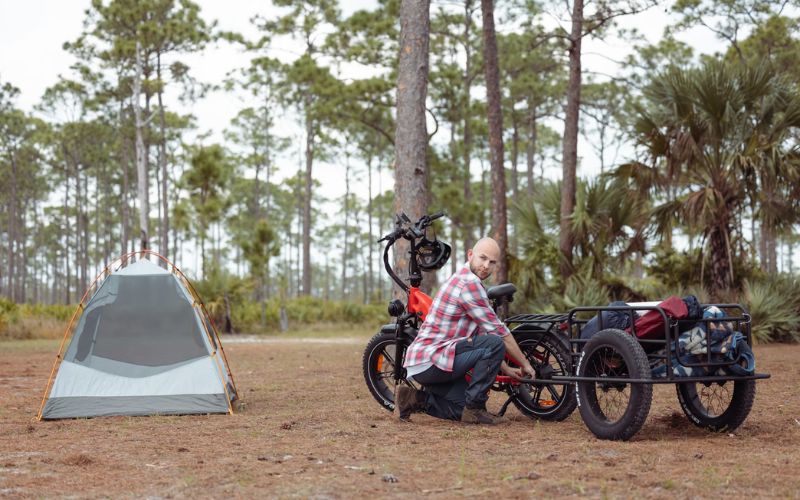
4. What to Know Before Planning a Camping Trip in Texas
Because Texas varies so widely, planning ahead becomes just as important as choosing the destination.
- The weather varies by region
Texas does not have one consistent climate. West Texas can be dry with large temperature shifts between day and night, while East Texas tends to be more humid with more shade. Coastal areas add wind and moisture into the mix.
- Travel distance can be longer than expected
Texas is large, and locations that look close on a map may take several hours to reach. This impacts arrival time, energy levels, and how much time you actually spend camping. Planning travel carefully helps avoid rushing and allows you to enjoy the trip fully.
- Reservations may be required for popular spots
Many of the best camping in Texas locations, especially well-known parks, can fill up quickly during weekends or holidays. Booking in advance ensures you have a place to stay and prevents last-minute changes that can disrupt your plan.
- Choose the right type of campsite for your needs
Not all campsites offer the same setup. Some provide basic facilities, while others are more remote with minimal support. The right choice depends on your experience level, group size, and comfort expectations.
>>> Read more: Top Things to Do in Galveston Texas: 22 Best Activities & Attractions
5. FAQs
Is camping in Texas available year-round?
Yes, but the experience varies by region. Some areas are more comfortable during cooler months, while others are suitable for most of the year.
What is the best season for tent camping in Texas?
Spring and fall are often preferred because temperatures are more balanced. These seasons reduce the risk of extreme heat or cold.
Do you need reservations for popular camping areas?
In many cases, yes. High-demand locations may require advance booking, especially during weekends or holidays.
Conclusion
At first, the number of options across Texas can feel overwhelming. Once you understand how different landscapes shape the experience, the decision becomes much easier.
What begins as a search for the best camping in Texas often turns into a more personal choice. You may prefer quiet desert skies, shaded forest campsites, or open coastal views. Each option offers a different kind of escape, and none of them are better in every situation.
In the end, the best trip is the one that fits what you need at that moment. When the place matches your expectations, everything else falls into place more naturally.