
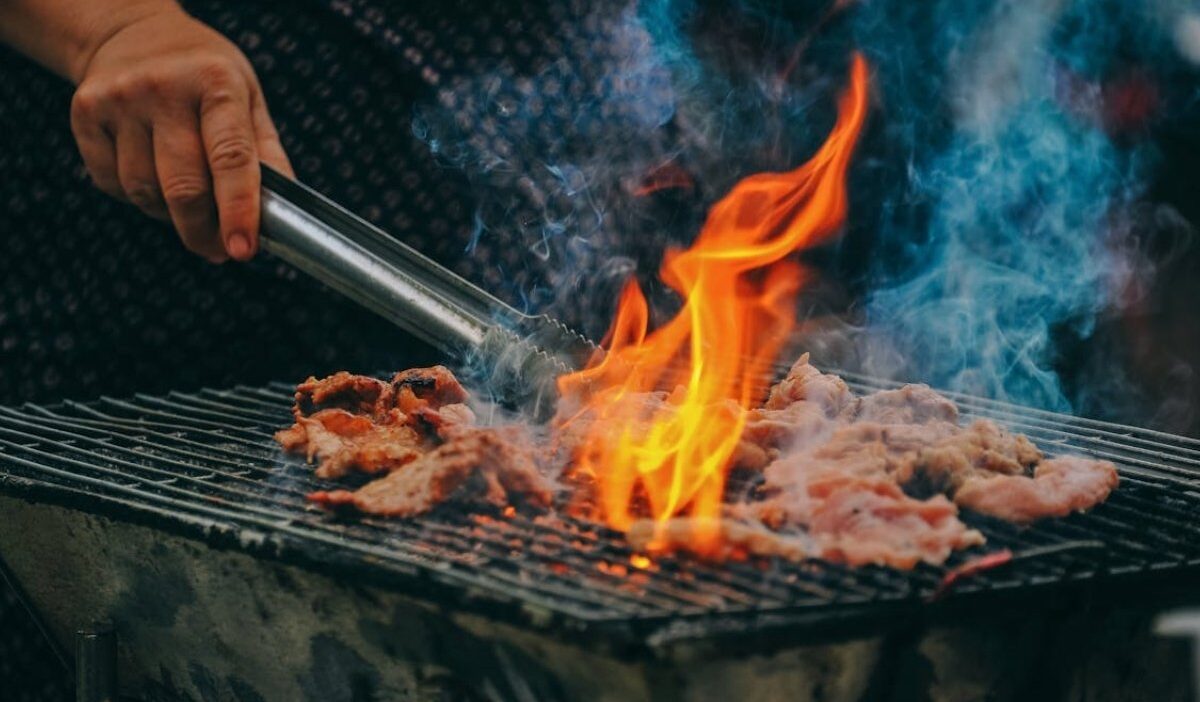
Smoking meat at home is an art, and choosing the best meat to smoke ensures juicy, flavorful results every time.
By following these recommendations in this guide, you can confidently create tender BBQ that satisfies every skill level.
Why Choosing the Best Meat to Smoke Matters
Selecting the right meat directly affects flavor, tenderness, and cooking success, which is why understanding the best meat to smoke helps you avoid common mistakes.
Flavor and Texture
Understanding the fat and collagen in meat helps you choose cuts that stay moist, making it easier to identify the best meat to smoke for long cooking sessions. Fat marbling melts during low and slow cooking, keeping the meat tender. Tough cuts with connective tissue benefit most from prolonged smoking, which produces rich, flavorful BBQ.
Skill Level Consideration
Some meats are forgiving for beginners, while others challenge advanced smokers who want to master the best meat to smoke at different levels.
- Pork shoulder and baby back ribs are forgiving and retain flavor even if the cooking isn’t perfectly timed.
- Brisket and tri-tip require precise temperature control, and neglecting timing can result in dry meat.
- Chicken breasts and fish fillets cook quickly, making them ideal for those with limited time or new smokers exploring the best meat to smoke.
Equipment Matters
Different types of smokers impact the cooking process and flavor outcome, so choosing the best meat to smoke should match your equipment.
- Pellet smokers maintain steady heat, which ensures consistent results for all meats.
- Offset smokers provide a traditional smoky flavor but require careful fire management to avoid uneven cooking.
- Offset and charcoal smokers require closer monitoring, while electric and pellet smokers offer more consistent temperature control.
>>> Read more: Can You Buy Beer on Sunday in Texas?
Best Meat to Smoke in Smoker
Selecting the best meat to smoke in smoker ensures optimal results. Here are the top options divided by type.
Classic Cuts
For those aiming for traditional BBQ flavor, certain cuts have become staples because they handle long smoking sessions especially well.
- Beef Brisket: Rich flavor, long cooking time, requires skill to achieve tender results.
- Pork Shoulder (Boston Butt): High fat content makes it forgiving, ideal for pulled pork beginners.
- Pork Ribs (Baby Back/St. Louis): Low and slow smoking produces tender, flavorful meat.
Poultry Options
If you prefer something lighter or quicker to prepare, poultry offers a more approachable option without sacrificing flavor.
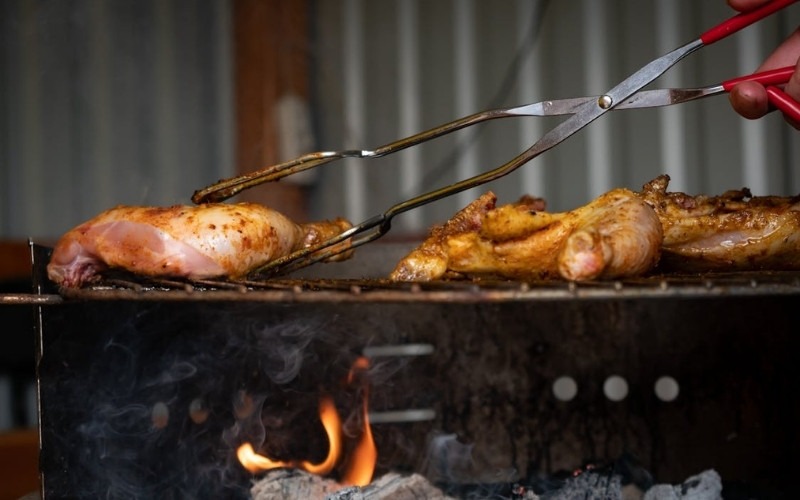
- Whole Chicken or Turkey: Brining retains moisture, and whole birds cook faster than large beef cuts, making them a practical best meat to smoke for many home cooks.
Leaner Cuts & Quick-Smoke Meats
Not every smoking session needs to take all day. Some cuts cook faster while still delivering a satisfying smoky result.
- Tri-Tip: Lean beef cut that develops excellent medium-rare flavor in a shorter cooking time.
- Chicken Breasts: Cook quickly, but careful monitoring is required to prevent dryness.
- Pork Belly/Bacon: Fatty cuts produce rich flavor and maintain moisture.
Budget-Friendly Alternatives
If you’re looking to balance flavor with cost, there are also affordable cuts that perform surprisingly well in a smoker.
- Poor Man’s Brisket: Affordable option that delivers a similar smoky flavor.
- Pork Picnic Shoulder: Tender and economical when smoked properly.
Quick-Smoked Meats (Under 2 Hours): Chicken wings, fish fillets, and smaller pork cuts allow flavorful BBQ even when time is limited, which makes them a convenient best meat to smoke for quick meals.
Smoking Tips for Perfect BBQ
Once you’ve chosen the best meat to smoke, the next step is understanding how to prepare and manage it throughout the cooking process.
Achieving consistent smoked BBQ requires preparation, temperature control, and flavor management, especially when working with the best meat to smoke for your setup.
Preparing Meat
Preparation plays a bigger role than most people expect, especially when it comes to building flavor from the start.
- Brining, rubs, or marinades help flavor develop on the surface and enhance overall taste, and following safe food handling guidelines from the USDA Food Safety and Inspection Service helps ensure your meat is prepared properly when using the best meat to smoke.
- Even simple salt and pepper rubs intensify the natural flavors of the meat.
- Preparing meat carefully ensures it cooks evenly and avoids dryness.
Temperature & Time
From there, controlling heat and timing becomes the key factor that determines whether the meat turns out tender or dry.
Follow safe cooking temperature guidelines from the USDA to get the most out of the best meat to smoke:
- Low and slow cooking works best for brisket and pork shoulder to break down connective tissue.
- Medium heat suits ribs and poultry for balanced cooking and moisture retention.
- Quick-smoked meats require careful monitoring to prevent overcooking.
Wood Selection
Different meats pair best with different woods, and proper pairing enhances the flavor of the best meat to smoke:
- Hickory or mesquite complements beef and pork with bold flavors.
- Lighter woods like apple or cherry enhance poultry and fish without overpowering them.
Resting & Slicing
Even after the cooking is done, what you do next still affects the final result.
- Allow large cuts to rest 30–60 minutes to let juices redistribute and improve tenderness, which is essential when preparing the best meat to smoke.
- Slicing against the grain maximizes tenderness and creates better texture for serving.
Troubleshooting
When things don’t go as planned, small adjustments can make a big difference in the final outcome.
- Monitor internal temperature to prevent overcooking and dry meat.
- Adjust heat and wood supply to ensure even smoke distribution.
- Check the smoke flow regularly to avoid uneven flavor when cooking the best meat to smoke.
>>>Read more: Fast Food Restaurants That Accept EBT Near Me: How to Eat Today
Beginner and Advanced Smoking Techniques
Smoking can be simple for beginners or complex for advanced pitmasters, and understanding the best meat to smoke helps both improve their results. Combining approaches helps build versatile BBQ skills.
Beginner-Friendly Smoking Plans
- Forgiving cuts like pork shoulder or ribs allow beginners to gain confidence.
- Using pellet or electric smokers simplifies temperature management and ensures consistent results.
- Recipes under two hours help beginners learn without the risk of overcooking.
- Keep tools minimal and focus on mastering one meat type at a time.
Advanced Techniques
- Low and slow smoking, layering rubs, injecting marinades, and adjusting seasoning enhance flavor complexity.
- Seasonal adjustments account for temperature and humidity changes, ensuring consistent results.
- Professionals focus on smoke ring perfection and flavor layering to achieve the best BBQ.
FAQs About the Best Meat to Smoke
Here are common questions beginners and enthusiasts ask:
What is the easiest meat to smoke for beginners?
Pork shoulder and baby back ribs are forgiving, high in fat, and retain moisture during cooking.
What meat can you smoke in 2 hours?
Chicken wings, smaller pork cuts, and fish fillets allow for quick, flavorful smoke sessions.
What is the hardest meat to smoke?
Brisket requires precise temperature control over long cooking times, while tri-tip cooks faster but still benefits from careful heat management.
Can I successfully smoke lean meat like fish or chicken breasts?
Yes, but monitor closely to avoid dryness and overcooking. Consider bringing or adding a light rub.
Are fatty cuts always better for smoking?
Fatty cuts retain moisture and flavor better, but lean cuts can also yield excellent results if cooked carefully.
Conclusion
Choosing the best meat to smoke is less about the cut itself and more about how it responds to time, heat, and technique. When the right meat meets the right approach, the process becomes easier to manage and the results more consistent.
That consistency builds confidence over time, turning each cook into something you can refine rather than guess. With the right foundation, you can approach any smoker knowing you’ll end up with BBQ that’s both flavorful and reliable.
HanksTexasGrill provides this guide to help Texans confidently choose, prepare, and smoke meats for delicious results every time. Explore our guide to master smoking at home and enjoy perfect BBQ at your own pace.