How to BBQ ribs on gas grill is one of the most common questions backyard cooks ask when their ribs turn out dry, tough, or lacking that rich barbecue flavor they were hoping for.
While gas grills don’t naturally create the same smoky environment as traditional smokers, they can still produce tender, juicy ribs with a flavorful crust when used the right way. The difference often comes down to temperature control, cooking technique, and timing.
Before you fire up the grill, here’s the step-by-step method that helps turn an ordinary rack of ribs into something worth gathering around the table for.
1. What You’ll Need
Equipment:
- A gas grill with at least two burners to create an indirect cooking zone.
- Heavy-duty aluminum foil
- An instant-read meat thermometer
- Long grill tongs
- A basting brush
- A smoker box or a homemade foil packet filled with wood chips to add smoky flavor that a gas grill doesn’t naturally provide
Ingredients:
- One or more racks of baby back ribs or St. Louis-style spareribs
- Yellow mustard
- A dry rub made with brown sugar, salt, black pepper, paprika, garlic powder, onion powder, and optional spices such as cayenne pepper or cumin.
- Your favorite barbecue sauce
- An optional liquid, such as apple juice, apple cider vinegar, or Worcestershire sauce, to add to the foil wrap for extra moisture and flavor
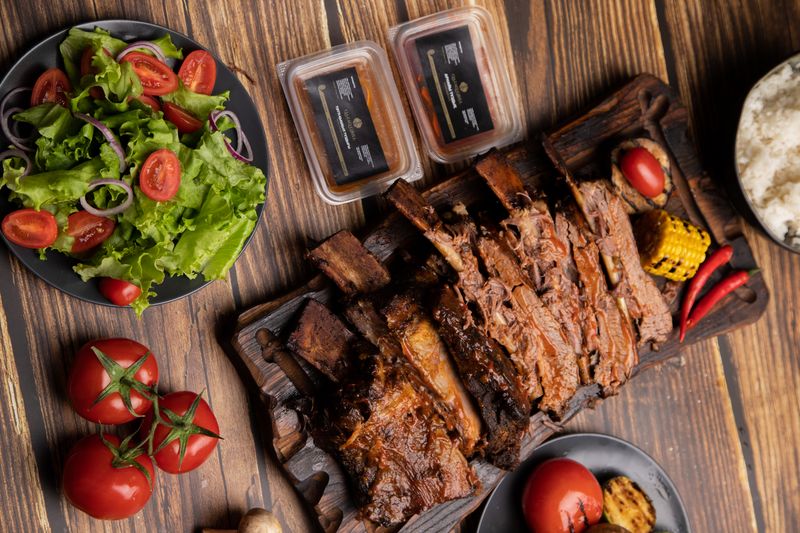
2. How to BBQ Ribs on Gas Grill Perfectly (Step-by-Step)
Step 1: Set Up the Grill for Indirect Cooking
A gas grill can easily burn ribs if they are placed directly over the flames, so create an indirect cooking zone.
Turn on the burners on only one side of the grill and leave the burners on the opposite side off. The ribs will cook on the unlit side, where they can slowly become tender without charring.
Step 2: Bring the Grill to the Proper Temperature
Preheat the grill and stabilize the temperature between 225°F and 275°F. This low-and-slow range gives the connective tissue time to break down while helping the meat stay moist and tender.
If your grill runs hot, reduce the burner setting and monitor the temperature closely. Maintaining a steady cooking temperature is more effective than frequently opening the lid.
Step 3: Add Smoke Flavor if Desired
Because gas grills do not naturally produce smoke, adding wood chips can provide a more traditional barbecue flavor.
Place a handful of dry wood chips in a smoker box or make a foil packet by sealing the chips inside heavy-duty aluminum foil and poking several holes in the top.
Position the packet over the lit burner so it can begin producing smoke.
Step 4: Cook the Ribs Low and Slow
Place the seasoned ribs on the unlit side of the grill and close the lid.
Cook the ribs over indirect heat for approximately 2 to 3 hours, depending on the size and type of ribs, while maintaining a steady temperature. Keeping the temperature between 225°F and 275°F.
Avoid opening the lid too often, as consistent heat and smoke are key to developing flavor and tenderness.
Step 5: Wrap the Ribs in Foil to Tenderize
After the initial smoking stage, remove the ribs from the grill and place them on a large sheet of heavy-duty foil.
Add a small amount of liquid, such as apple juice, apple cider vinegar, or a drizzle of honey, then seal the foil tightly.
Return the wrapped ribs to the indirect heat zone and cook for another 1 to 1½ hours. The trapped steam helps soften the meat and break down tough connective tissue.
Step 6: Sauce and Finish the Ribs
Carefully open the foil, letting the hot steam escape, then transfer the ribs back to the grill grates on the unlit side.
Brush the ribs with your favorite barbecue sauce and continue cooking for 15 to 30 minutes, or until the sauce has thickened and developed a sticky glaze. Once finished, let the ribs rest for 10 to 15 minutes before slicing and serving.
>>> Read more: How to Cook Salmon on the Grill for Flaky Every Time
3. BBQ Pork Ribs vs Beef Ribs on a Gas Grill
Both pork and beef ribs can be cooked on a gas grill using indirect heat, but they deliver very different barbecue experiences.
Pork ribs:
- Pork ribs, including baby back and spare ribs, have a milder flavor that pairs well with a wide range of seasonings and sauces. They readily absorb sweet, tangy, spicy, and smoky flavors.
- How to BBQ pork ribs on gas grill: Because they contain less fat and connective tissue than beef ribs, they typically cook in about 3 to 5 hours and are more forgiving for beginners. Because pork ribs are generally smaller than beef ribs, they usually require less cooking time and are often easier for beginners to manage.
Beef ribs:
- How to BBQ beef ribs on gas grill: Beef ribs are larger, fattier, and contain more collagen, so they usually require a much longer cooking time, often 5 to 8 hours, to become tender.
- As beef ribs have such a bold natural flavor, they are often seasoned simply with salt, black pepper, and garlic rather than heavy sauces that could overpower the meat.
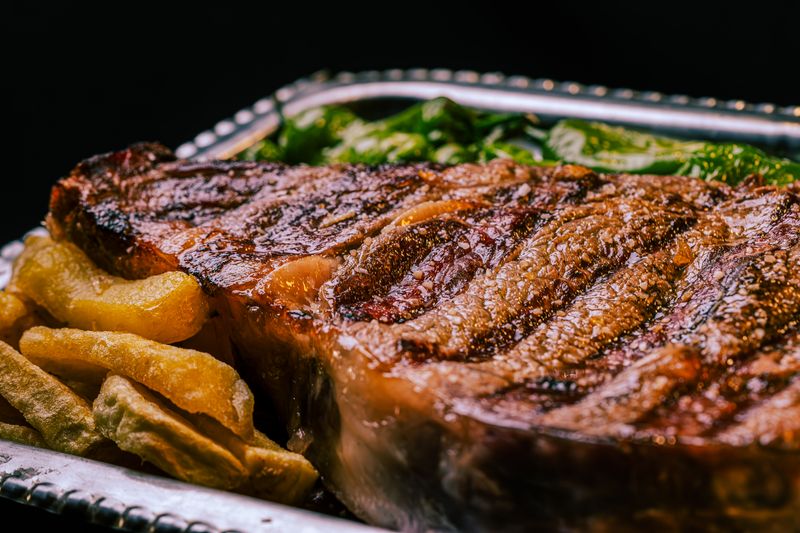
4. How to BBQ Ribs on Gas Grill Fast
When you’re short on time, you can still make tender, flavorful ribs by adjusting your cooking method.
One of the fastest techniques is the foil-first method. Season the ribs, place them in a tightly sealed foil packet with a splash of apple juice, cider vinegar, or beer, and cook them over indirect heat at 300°F to 325°F for about an hour. Then unwrap the ribs, brush on barbecue sauce, and grill for another 15 to 20 minutes to develop a sticky glaze.
For an even quicker option, some home cooks par-cook ribs in simmering water for 45 to 60 minutes before grilling, though this may reduce some of the meat’s natural flavor compared with traditional low-and-slow barbecue.
You can also cut racks into smaller sections and use a thinner sauce that caramelizes quickly to speed up the process.
>>> Read more: How Long to Cook Burgers on Grill: Exact Times Explanation
5. FAQs
Can you make BBQ ribs on a gas grill without a smoker?
You don’t need a dedicated smoker to make flavorful BBQ ribs on a gas grill. Simply create a DIY smoke packet by placing a handful of wood chips in heavy-duty foil, sealing it, and poking a few holes in the top. Set the packet over a lit burner and place the ribs on the unlit side for indirect cooking. Keep the lid closed as much as possible and use the foil-wrap method during cooking to retain moisture and ensure tender, smoky ribs.
Should I cook ribs in foil on a gas grill?
Gas grills produce a drier cooking environment, and foil helps trap moisture, preventing the ribs from drying out.
What happens if I cook ribs without foil?
Cooking ribs without foil produces a firmer texture with a deeper, more flavorful bark. However, this requires more attention on a gas grill, as the dry heat can pull moisture from the meat. To prevent drying out, keep the temperature between 225°F and 250°F, use a water pan, and lightly spritz the ribs every 45 to 60 minutes.
How do you add smoky flavor to ribs on a gas grill?
Place a handful of dry wood chips in heavy-duty foil, seal it, and poke several holes in the top. For extra depth, add smoked paprika, chipotle powder, or a few drops of liquid smoke to your rub or sauce.
Can beef ribs be cooked the same way as pork ribs?
The cooking process should be adjusted. Beef ribs are larger, fattier, and contain more collagen, so they require lower temperatures and a much longer cooking time, often 5 to 8 hours.
6. Conclusion
Learning how to BBQ ribs on gas grill is about more than following temperatures and cooking times.
It’s the confidence that comes from knowing exactly what to do when the lid closes, and the waiting begins. Once you understand the process, the grill becomes less intimidating, and every rack becomes an opportunity to create a meal that people remember long after the plates are cleared.
Whether it’s your first attempt or your fiftieth, great ribs are often the result of patience, attention, and a little practice.