How to smoke ribs on a pellet grill comes down to choosing the right cut, controlling the temperature, and knowing when the meat is truly tender.
Baby back, St. Louis-style, spare, and beef ribs all cook differently, so following one fixed schedule can leave a smaller rack overdone or a thicker one still tough.
This guide walks through preparation, smoking, optional wrapping, and doneness checks so you can adjust the process to the ribs on your grill.
1. Before You Smoke Ribs on a Pellet Grill
A few preparation steps help create a smoother cooking process before going into how to smoke ribs on a pellet grill
Choose the Right Ribs for Your Pellet Grill
Choosing the right rib cut affects the texture, cooking style, and final serving result.
The most common pork rib options for smoking include baby back ribs, spare ribs, and St. Louis-style ribs.
Pork ribs come from different sections of the rib area, which creates differences in size, shape, and meat characteristics.
| Rib Type | Characteristics |
| Baby Back Ribs (Back Ribs/Loin Back) | Come from the blade and center section of the pork loin. They are smaller than spare ribs and have meat between the bones. |
| Spare Ribs | Come from the belly area of the hog. They are larger and meatier with a rich flavor. |
| St. Louis-Style Ribs | A squared cut of spare ribs with a straight, flat shape. |
Baby back ribs are a suitable choice for those who prefer a smaller rack with a more delicate texture after cooking. This makes them a common option for readers interested in how to smoke baby back ribs on a pellet grill.
While others looking into how to smoke st louis ribs on a pellet grill often choose this cut because its flat shape makes seasoning and cooking easier across the rack.
Prepare the Ribs for Smoking
Check the bone side of the ribs for a thin, papery membrane. If the butcher has not already removed it, loosen one edge with a butter knife, grip it with a paper towel, and pull it away.
Removing the membrane usually creates a more pleasant bite and allows seasoning to reach the surface more evenly. If part of it is difficult to remove, do not damage the meat trying to pull away every small piece.
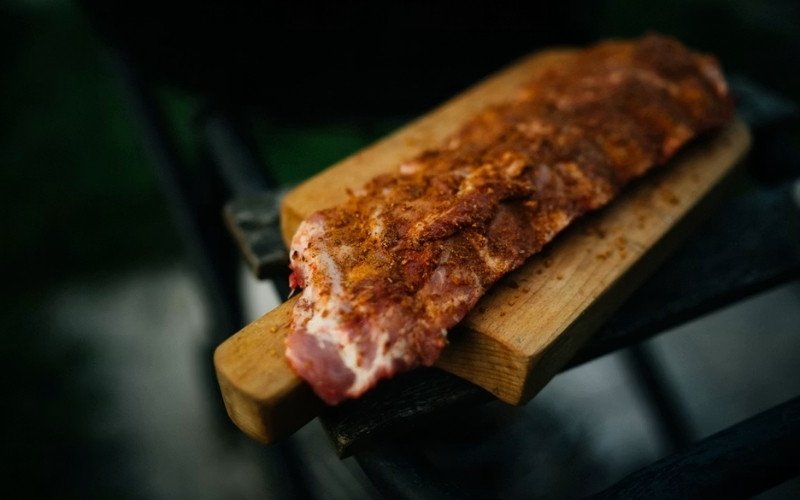
Trim loose pieces of fat and uneven edges from the rack. Apply a BBQ rub evenly over both sides, using a binder such as mustard if you prefer better seasoning coverage.
Let the seasoned ribs rest while the pellet grill reaches the desired cooking temperature. This gives the seasoning time to settle before you begin the process of how to smoke ribs on a pellet grill.
2. How to Smoke Ribs on a Pellet Grill
The main smoking process focuses on maintaining steady heat, developing smoke flavor, and cooking the ribs until they reach the texture you prefer.
These steps provide a practical method for how to smoke pork ribs on a pellet grill.
Step 1. Preheat the Pellet Grill
Set the pellet grill to 225°F and allow it to stabilize before placing the ribs inside. This low-temperature approach is commonly used for smoking ribs because it gives the meat more time to develop tenderness.
Step 2. Smoke the Ribs
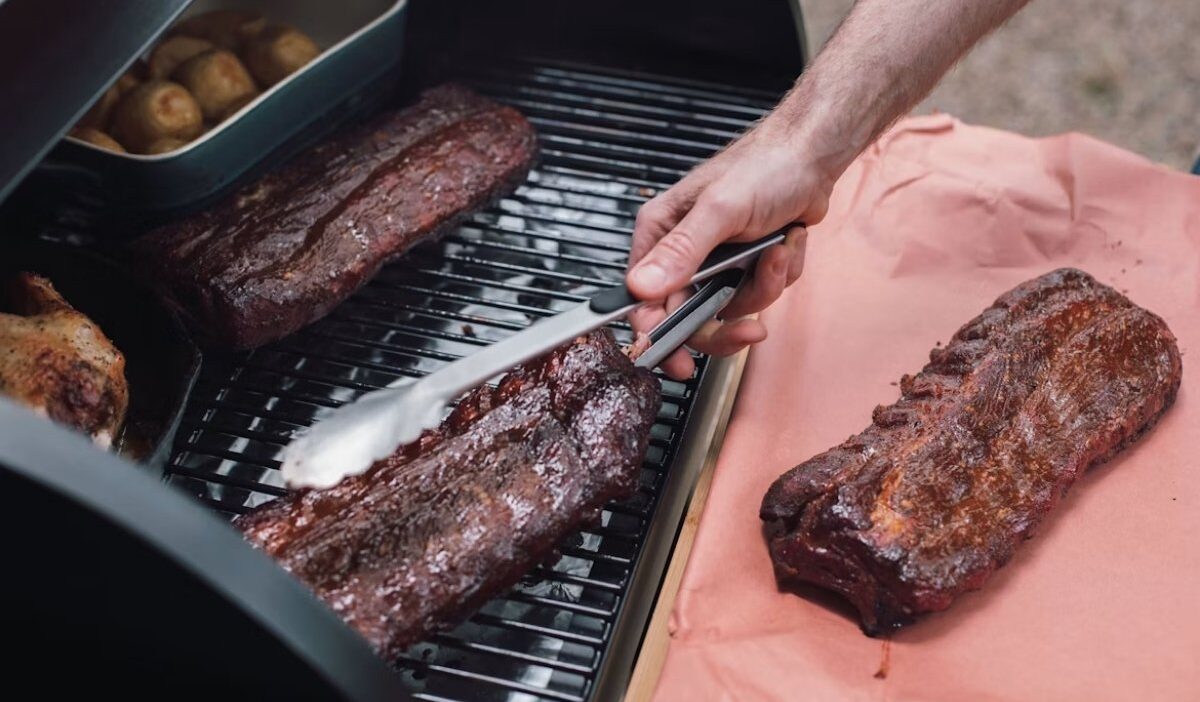
Place the ribs bone-side down on the grill grates and close the lid. Keep the pellet grill temperature steady while the ribs absorb smoke and develop their outer bark.
Pork-rib cooking time depends heavily on the cut:
- Baby back or loin back ribs generally take about 3 to 5 hours at 225°F to 250°F.
- St. Louis-style ribs generally take about 5 to 7 hours.
- Full spare ribs generally take about 5 to 7 hours.
These are starting ranges rather than fixed deadlines. Rack thickness, grill performance, wrapping, and preferred tenderness can all change the final cooking time.
During a low-and-slow cook, connective tissue gradually breaks down and the ribs become more tender. Avoid unnecessary temperature changes or frequent lid opening during this stage.
Step 3. Spritz the Ribs (Optional)
Some cooks lightly spray ribs with apple juice, broth, or another liquid during smoking to adjust the surface texture and bark development.
This step is optional and depends on the texture and cooking style you prefer.
Step 4. Wrap the Ribs (Optional)
Wrapping ribs with foil can help retain moisture and produce a softer texture. Butcher paper can also be used, although it usually allows more moisture to escape and preserves a firmer bark than foil.
Many BBQ cooks wrap the ribs after the surface develops enough color and smoke flavor.
The traditional 3-2-1 method uses three hours unwrapped, two hours wrapped, and up to one hour unwrapped with sauce. This schedule is more suitable as a starting point for larger spare or St. Louis-style ribs.
Baby back ribs often cook faster, so begin checking them earlier and shorten the wrapped or finishing stage when needed. Do not follow the clock if the rack has already reached the texture you prefer.
Step 5. Sauce and Finish
Apply BBQ sauce during the final stage if you want a glazed finish. Return the ribs to the grill briefly to allow the sauce to set, finishing the process of how to smoke ribs on a pellet grill.
>>> Read more: How to BBQ Ribs on Gas Grill Perfectly (Fall-Off-the-Bone!)
3. How to Tell When Smoked Ribs Are Done
The final check is an important part of how to smoke ribs on a pellet grill because time alone cannot confirm tenderness.
For food safety, whole cuts of pork and beef should reach at least 145°F followed by a rest of at least three minutes. However, smoked ribs are usually cooked well beyond that minimum so the connective tissue can soften.
Look for these signs:
- Toothpick or probe test: Insert a toothpick or thermometer probe into the meat between the bones. It should slide in with little resistance.
- Bend test: Lift a full pork rack near the center with tongs. Tender ribs should bend easily, and small cracks may appear on the surface. This test is less useful for individual beef short ribs.
- Bone pullback: The meat may pull away slightly from the bone ends, although the amount varies and should not be used as the only test.
- Internal temperature: Many tender smoked-rib methods finish around 195°F to 205°F. Measure in the thickest meaty area without touching the bone, but let probe tenderness make the final decision.
4. Tips for Better Ribs on a Pellet Grill
Small adjustments in preparation and finishing can help improve the final result when following how to smoke ribs on a pellet grill.
- Use food-grade cooking pellets: Choose hardwood pellets made specifically for pellet grills. Do not use home-heating pellets or other fuel pellets.
- Choose pellets based on your preferred smoke flavor: Different hardwoods create different smoke characteristics, so select pellets that match the BBQ flavor you want.
- Leave enough space between rib racks: Avoid overcrowding the grill grates so heat and smoke can circulate more evenly.
- Trim only excess fat and loose pieces: Some fat can contribute flavor during a long smoking process, so remove only thick exterior deposits or pieces likely to burn.
- Rest ribs before slicing: Let the ribs rest for approximately 10 to 20 minutes so they are easier to handle and slice.
>>> Read more: How to Grill Ribeye Steak Perfectly Every Time
5. FAQs about Smoking Ribs on a Pellet Grill
These answers cover common questions related to smoking different types of ribs on a pellet grill.
How to smoke beef ribs on a pellet grill?
Smoke beef ribs at 225°F for about 6 to 10 hours, depending on the cut and thickness. They are ready when the internal temperature is around 200°F to 205°F and a probe slides into the meat with little resistance.
Should you use a water pan in a pellet grill for ribs?
A water pan is optional when smoking ribs on a pellet grill. Some cooks use one to add moisture, while others rely on the pellet grill’s temperature control and cooking environment.
Can you smoke ribs without wrapping them?
Yes. Smoking ribs without wrapping can help develop a firmer bark and stronger smoke flavor. Wrapping is optional and mainly changes the texture of the finished ribs.
6. Conclusion
Great smoked ribs are less about following the clock perfectly and more about responding to the cut, thickness, and texture as the cook progresses.
When learning how to smoke ribs on a pellet grill, use the recommended time range to know when to start checking, then rely on probe tenderness before serving.
With steady heat, the right amount of smoke, and a flexible approach to wrapping and finishing, you can achieve ribs with a flavorful bark and the tenderness you prefer.