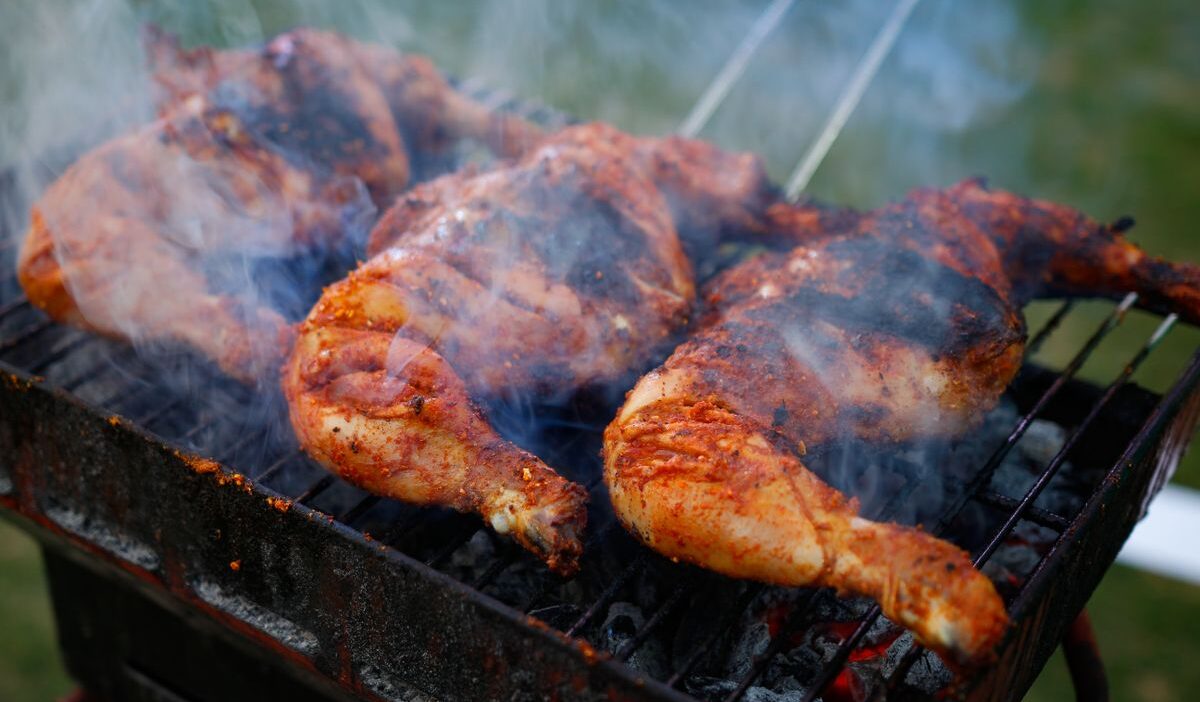
How long to grill chicken legs depends on the grill temperature, cooking method, and size of the chicken pieces.
Many backyard cooks struggle with chicken legs because the outside can burn before the inside becomes fully cooked. However, the right heat control and timing can create juicy meat with crispy skin every time.
This guide explains the ideal cooking times, useful techniques, and common mistakes that affect grilled chicken legs.
1. Chicken Leg Grilling Times at a Glance
The cooking time for chicken legs changes depending on whether you use direct heat or indirect heat. Understanding both methods helps you choose the best approach for your grill.
| Grilling Method | Grill Temperature | Approximate Cooking Time | Best For |
| Direct heat | 350°F to 400°F | 25 to 35 minutes | Smaller drumsticks, crispier skin, frequent turning |
| Indirect heat | 350°F to 400°F | 35 to 45 minutes | Larger drumsticks, more even cooking |
| Two-zone grilling (indirect then direct heat) | 350°F to 400°F | 30 to 45 minutes | Tender inside with browned skin |
| Whole leg quarters | 350°F to 400°F | 40 to 55 minutes | Larger bone-in pieces |
| Safe internal temperature | 165°F minimum | Check before serving | Confirming chicken legs are fully cooked |
Over direct heat
Direct heat works well when grillers want crispy skin and a faster cooking process. However, high heat can burn the outside of the chicken legs before the inside reaches a safe temperature.
Grillers should cook chicken legs over medium heat, around 350°F to 400°F, instead of using extremely high temperatures. The heat allows the chicken skin to brown while the meat cooks evenly.
Chicken legs usually need about 25 to 35 minutes over direct heat. Grillers should turn the chicken every few minutes to prevent burning and create an even crust.
Over indirect heat
Indirect heat gives chicken legs more time to cook gently without drying out. This method works especially well for thicker bone-in chicken legs.
Grillers can place the chicken legs away from the direct flame and close the grill lid. The circulating heat cooks the meat slowly while protecting the skin from excessive burning.
For your concern about how long to grill chicken legs, many grillers find that 35 to 45 minutes provides the best results with indirect heat. This approach helps grillers learn how to grill chicken legs with better moisture and flavor.
Internal temperature for safe doneness
The internal temperature determines when grilled chicken legs are ready to serve. Grillers should use a meat thermometer to check the thickest part of the meat without touching the bone.
The USDA recommends cooking poultry to a safe internal temperature of 165°F.
Many cooks prefer chicken legs at slightly higher temperatures, around 175°F to 185°F, because the extra heat helps break down connective tissues and creates a more tender texture.
2. Factors That Affect Cooking Time
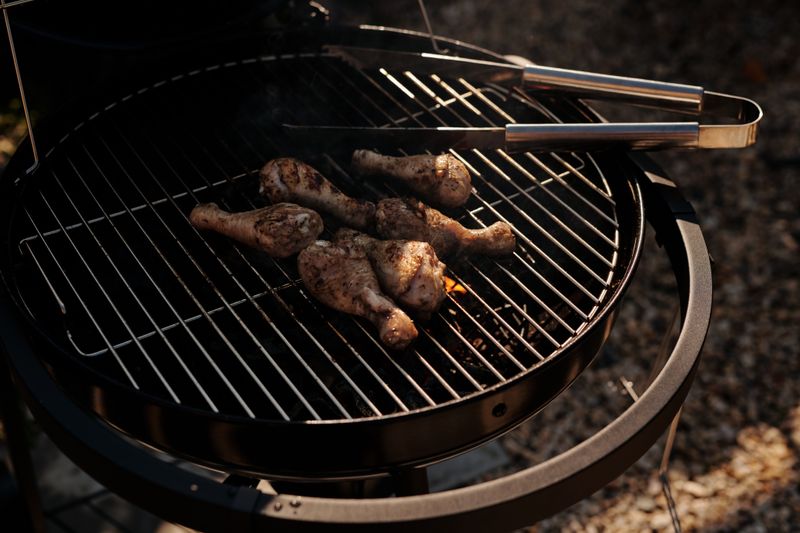
Several factors influence the final grilling time. The answer to how long to grill chicken legs changes based on your equipment, ingredients, and cooking conditions.
Grill temperature
The grill temperature directly affects how quickly chicken legs cook. A grill that runs too hot can create burnt skin, while a grill with low heat can make the cooking process much longer.
A temperature between 350°F and 400°F usually provides the best balance between crispy skin and juicy meat. You should use a grill thermometer because the built-in lid gauge may not always show the exact cooking temperature.
Size of the chicken legs
Larger chicken legs require more cooking time because they contain more meat and thicker bones. Smaller drumsticks usually finish faster than large whole leg quarters, which include both the thigh and drumstick.
Before grilling, you should choose chicken legs with similar sizes because even pieces cook more consistently. This simple step helps prevent some pieces from becoming dry while others remain undercooked.
Bone-in vs. boneless and fresh vs. frozen
Bone-in chicken legs usually take longer than boneless pieces because the bone slows heat movement. However, bone-in cuts often provide better flavor and moisture during grilling.
Fresh chicken legs usually cook faster than frozen chicken legs. If you use frozen chicken, you should thaw the meat completely before grilling because frozen pieces can cook unevenly.
3. Tips for Juicy Chicken Legs Every Time
Knowing how long to grill chicken legs helps you plan your cooking time, but preparation also affects the final result. These simple steps can improve texture and flavor.
- Marinate chicken legs for flavor, or use a simple salt-based seasoning or brine if you want to improve juiciness.
- Pat chicken legs dry before seasoning to help the skin become crisp.
- Apply oil lightly to prevent sticking and improve browning.
- Keep the grill clean because leftover food can create unwanted flavors.
- Turn chicken legs every few minutes as needed so the skin browns evenly without burning.
- Let cooked chicken legs rest for a few minutes before serving.
You can also use a two-zone grilling setup for better control. Many grillers get better control by starting chicken legs over indirect heat until nearly done, then moving them over direct heat briefly to brown and crisp the skin.
>>> Also read: How to Smoke a Turkey on a Pellet Grill Like an Expert
4. Common Grilling Mistakes to Avoid
Many beginners misjudge how long to grill chicken legs because they focus only on appearance. A browned exterior does not always mean the inside has reached a safe temperature.
Avoid these common mistakes when grilling chicken legs:
- Cooking over extremely high heat can burn the skin before the meat cooks.
- Cutting into chicken legs repeatedly can release valuable juices.
- Adding sugary sauces too early can cause the sauce to burn.
- Skipping a thermometer check can result in unsafe or uneven cooking.
- Moving chicken legs constantly can slow browning, but turning them every few minutes helps prevent burning.
You should also avoid pressing chicken legs with a spatula because the pressure can remove moisture from the meat.
5. FAQs
How long does it take to grill chicken legs at 350°F?
At 350°F, chicken drumsticks often take about 35 to 45 minutes, while larger leg quarters may take closer to 40 to 55 minutes. Always confirm doneness with a thermometer instead of relying only on time.
How long do chicken legs take at 400°F?
Chicken legs generally take about 30 to 40 minutes at 400°F. You should rotate them regularly and check the internal temperature before serving.
Should you grill chicken legs over direct or indirect heat?
You can use both methods depending on your preferred result. Direct heat creates crispy skin quickly, while indirect heat provides slower and more even cooking.
How do you know when grilled chicken legs are done?
Insert a meat thermometer into the thickest part of the chicken leg without touching the bone. The chicken is safe when it reaches at least 165°F internally.
Should you grill chicken legs with the lid open or closed?
You should grill chicken legs with the lid closed whenever possible. A closed lid helps maintain consistent heat and allows the chicken to cook more evenly.
6. Conclusion
How long to grill chicken legs depends on temperature, cooking method, and preparation, but most chicken legs require 30 to 50 minutes on a properly heated grill. Careful temperature control and regular checking help you create juicy, flavorful chicken every time.
The next time you prepare a backyard meal, remember that how long to grill chicken legs is only one part of the process. Good seasoning, proper heat management, and patience also create better results.