How long does henna last depends on where it is applied, the product used, and how the skin or hair is cared for afterward. Skin designs usually fade as the outer skin layer renews, while henna on hair can remain visible much longer because the pigment binds to the hair shaft.
The timeline can also vary with washing, friction, sun exposure, and product ingredients. Read on to compare how long henna lasts on skin versus hair, what makes the color fade faster, and which safety signs matter before you choose a product.
1. How Long Does Henna Last? The Short Answer
The application type provides the clearest answer:
- Henna on skin: The stain usually remains visible for 7 to 14 days.
- Henna on palms and soles: The stain can remain visible for 2 to 3 weeks.
- Henna on arms and other areas: The stain often fades within 1 to 2 weeks.
- Henna on hair: The color can remain visible for many weeks, and some pigment may persist until the treated hair grows out.
Therefore, how long does henna last can range from several days on frequently washed skin to several months on hair. The product’s ingredients also matter because items marketed as henna do not always contain henna alone.
In the United States, the FDA permits henna from the Lawsonia plant as a color additive for hair. However, the agency has not approved henna as a color additive for direct skin application, including mehndi body art.
2. Why Results Vary So Much
Henna contains lawsone, a pigment that binds with keratin in hair and the outer skin layer. Since every person has different skin, hair, and daily habits, every application produces slightly different results.
The following factors influence how long does henna last:
- Application area: Thick skin on the palms and soles usually develops deeper stains than thin skin on the arms.
- Skin renewal: Faster exfoliation removes stained surface cells sooner.
- Contact time: Leaving traditional henna on for the recommended period can help the stain develop, but extending the wear time beyond product or artist guidance does not necessarily produce a better result.
- Water exposure: Frequent washing, swimming, and soaking can accelerate fading.
- Friction: Clothing, shaving, scrubbing, and manual work can remove stained cells.
- Hair condition: Porous, gray, light, or processed hair may display stronger color.
- Haircare habits: Frequent washing and clarifying shampoos can reduce vibrancy.
- Product composition: Added dyes can change the shade, development time, and duration.
Traditional henna usually creates brown, orange-brown, or reddish-brown color. Products that create black, blue, or other unusual colors require additional ingredients, so consumers should examine their labels carefully.
Even a brown product may contain added ingredients that deepen the color or prolong the stain. A natural-looking shade does not confirm that a product contains pure henna.

3. Duration by Application Type
Henna Tattoos and Skin Stains
People often ask, “How long does a henna tattoo last?” A typical design remains visible for about 7 to 14 days. Stains on thicker skin, such as the palms or soles, may remain visible somewhat longer, especially when the initial color develops deeply.
The answer to “how long does henna tattoo last” also depends on the design’s location. A palm design usually develops a deeper shade, while a wrist or forearm design may fade sooner because thinner skin retains less pigment.
Anyone researching how long does henna last on skin should understand that the color remains within the outer skin layer. The design gradually disappears as the body sheds stained cells through its normal renewal process.
These familiar timelines describe how henna body art commonly behaves, but they do not indicate FDA approval. The FDA’s current henna and temporary tattoo fact sheet states that henna is approved only as a color additive for hair, not for direct skin application.
Under U.S. federal law, a cosmetic that uses henna as an unapproved skin color additive is adulterated, and introducing that product into interstate commerce is unlawful. State and local rules for temporary tattooing can also vary.
Henna Hair Color
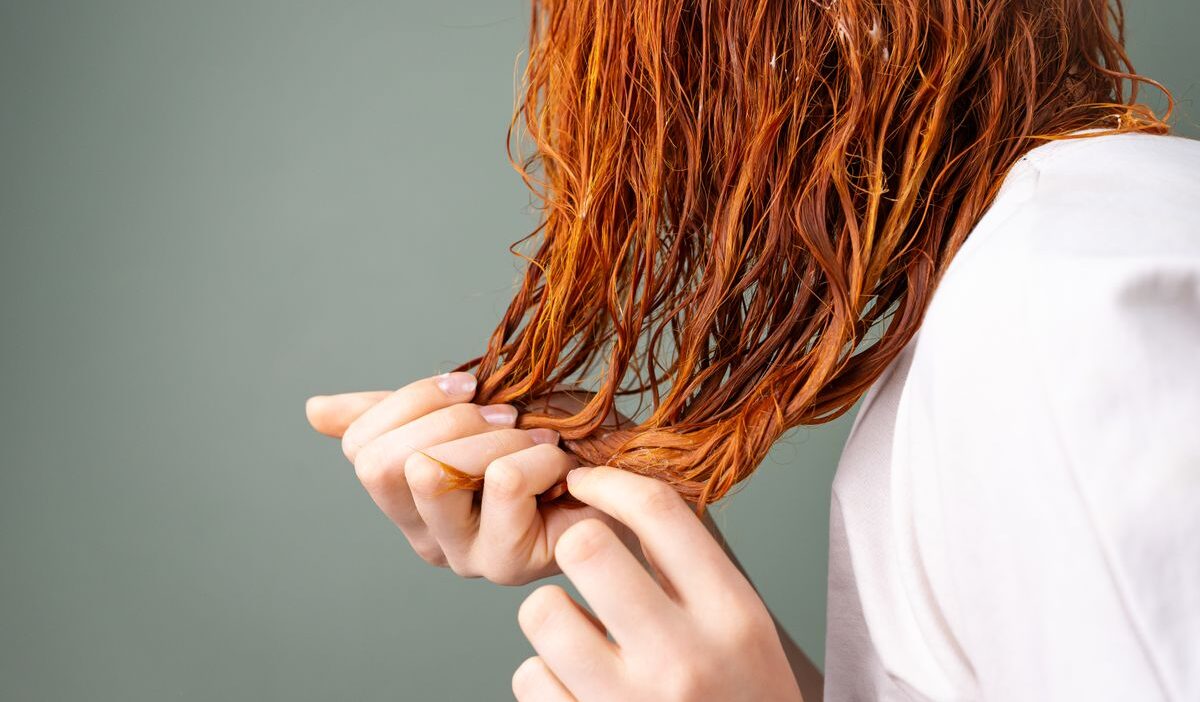
The answer to “how long does henna hair dye last” differs from the skin timeline. Henna hair color can remain visible for many weeks, and some pigment may stay in the hair until the treated length grows out or is cut away.
Henna deposits warm color instead of lightening the hair. Blonde or gray hair may develop vivid copper tones, while dark hair may display auburn highlights under bright light.
Repeated applications can also build a deeper shade. Users should perform a strand test because hair porosity, existing color, and previous chemical treatments can affect the final result.
The FDA lists henna from the Lawsonia plant as an approved color additive for hair. However, that permitted use does not include the eyelashes, eyebrows, or eye area.
Consumers should follow the hair product’s instructions, review its ingredient list, and wear gloves during application. Users should also keep every hair-color product away from their eyes.
4. Day-by-Day Color Timeline

A complete answer to how long does henna last should include the color-development period. Traditional henna does not produce its final shade immediately.
Day 0: Paste Removed
The stain usually appears pale or bright orange after the paste comes away. This initial color does not represent the final result.
The user should follow the product or artist’s removal guidance. The user should also stop the application if the area develops burning, swelling, or severe irritation.
Day 1 to 2: Color Darkens
Oxidation usually changes the initial orange stain into a deeper orange-brown or reddish-brown shade. Most traditional henna stains reach a richer color within 24 to 48 hours.
An immediate black stain does not follow this typical development pattern. That result may indicate added dyes rather than pure plant-derived henna.
Days 3 to 7: Peak Appearance
Most designs show their strongest color and clearest contrast during this period. The stain may hold its appearance for several days before normal exfoliation becomes noticeable.
Week 2 Onward: Gradual Fading
The design gradually loses contrast as the skin sheds stained cells. Frequently washed areas may develop patchy lines before the remaining color disappears.
5. How to Make the Color Last Longer
Gentle care can extend how long does henna last, although no method can stop the skin’s renewal cycle. Consumers should also place product transparency ahead of promises about unusually dark or long-lasting results.
The following habits can reduce premature fading:
- Limit prolonged soaking: The user can reduce long baths and swimming sessions.
- Avoid heavy exfoliation: The user can keep scrubs, loofahs, and exfoliating acids away from the stain.
- Reduce friction: The user can avoid shaving or rubbing the design.
- Wear cleaning gloves: Gloves can protect hand designs from detergents and repeated washing.
- Use gentle shampoo: A color-safe shampoo can help hair retain its vibrancy.
- Follow label directions: The user should follow the stated timing for every hair-color product.
Some people use petroleum jelly or oil as a temporary water barrier, but there is limited evidence that these products meaningfully extend the total lifespan of a henna stain. It also cannot protect the user from PPD or another undisclosed ingredient.
Retail cosmetics should provide an ingredient declaration on the label. Consumers should avoid products with missing or unclear ingredient information, especially when those products promise black, blue, or unusually long-lasting skin color.
>>> Read more: Can You Buy Liquor on Sunday in Texas? 2026 Laws Explained Clearly
6. What Makes Henna Fade Faster?
Daily habits often determine how long does henna last after the color develops. Several common activities can shorten the stain’s visible life:
- Frequent handwashing removes stained surface cells.
- Hot showers expose the design to prolonged heat and water.
- Swimming combines soaking with chlorine or salt.
- Body scrubs accelerate skin-cell removal.
- Shaving creates friction across the design.
- Frequent hand sanitizer use can increase rubbing and repeated exposure of the stain, which may contribute to faster fading.
- Household cleaners expose the area to strong ingredients.
- Tight clothing repeatedly rubs the stain.
Hair color can also lose intensity when users wash their hair frequently. Clarifying shampoos, frequent washing, strong cleansers, and sun exposure can make the color appear softer over time.
7. FAQs
Does henna come off in the shower?
One shower usually does not remove a developed henna stain completely. However, hot water, soap, scrubbing, and prolonged soaking can make the design fade faster.
Does Vaseline make henna last longer?
Vaseline can form a temporary barrier that limits contact with water. However, the product cannot stop natural exfoliation or dramatically extend the stain’s total lifespan.
Does henna last longer on hands than arms?
Henna usually creates a deeper stain on palms because palms contain thicker, keratin-rich skin. However, frequent handwashing can make designs on fingers and the backs of the hands fade unevenly.
How long should you leave henna on for the darkest stain?
Traditional henna is usually left on for several hours, but timing varies by product. Follow the product or artist’s instructions rather than leaving it on longer than recommended.
8. Conclusion
Henna does not follow one fixed timeline. Skin designs usually fade gradually over one to two weeks, while hair color can remain visible for many weeks and sometimes until the treated hair grows out.
Understanding how long does henna last is useful, but product safety matters just as much as duration. Check the ingredient list, be cautious with products promising instant black or unusually long-lasting color, and follow the recommended application and aftercare instructions for the best result.