
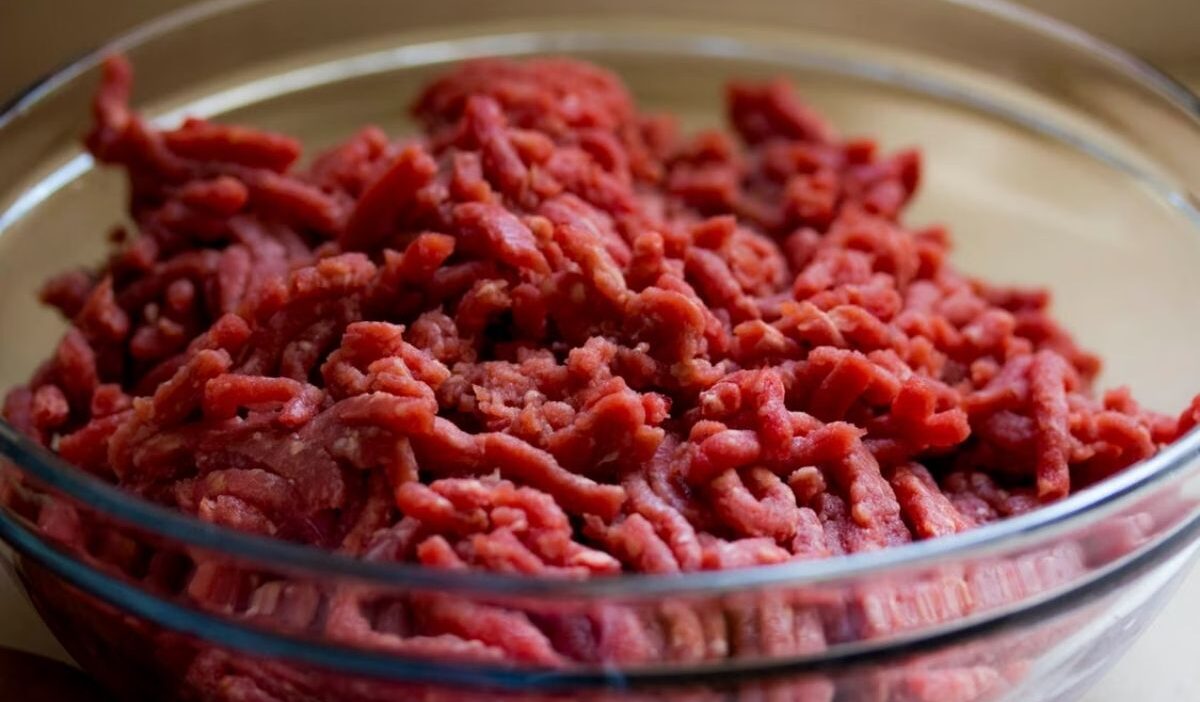
How long does ground beef last in the fridge depends on whether it is raw, cooked, or thawed.
Raw ground beef has a much shorter refrigerator window than cooked leftovers, and the clock can change again depending on how the meat was thawed.
Knowing those differences can save you from keeping it too long, or throwing it out unnecessarily. Here’s what the USDA storage guidelines say, plus the signs and storage practices worth knowing before your next meal.
1. How Long Does Ground Beef Last in the Fridge?
The storage window changes once ground beef is cooked or thawed, so the starting point matters.
Raw Ground Beef
For raw meat, how long does ground beef last in the fridge comes down to a 1- to 2-day refrigerator period at 40°F (4°C) or below, according to USDA storage guidance. This timeframe applies to raw ground beef kept refrigerated after purchase.
Cooked Ground Beef
Cooked ground beef lasts 3 to 4 days in the refrigerator at 40°F (4°C) or below. This timeframe applies to cooked ground beef stored as leftovers.
Ground Beef Thawed in the Fridge
Ground beef thawed in the refrigerator can generally stay refrigerated for another 1 to 2 days before cooking. If you thaw it in cold water or the microwave, cook it immediately after thawing rather than storing it raw in the refrigerator for another 1 to 2 days.
2. What Determines Ground Beef’s Refrigerator Life?
Three conditions affect how long does ground beef last in the fridge: the refrigerator temperature, time outside the fridge, and storage conditions.
- Refrigerator temperature: Keep the refrigerator at 40°F (4°C) or below to maintain the proper cold-storage condition for perishable foods.
- Time outside the fridge: Ground beef should not stay at room temperature for more than 2 hours, or more than 1 hour when the temperature is above 90°F.
- Storage conditions: Keep the meat protected from contact with other foods and prevent package leaks that could spread raw meat juices inside the refrigerator.
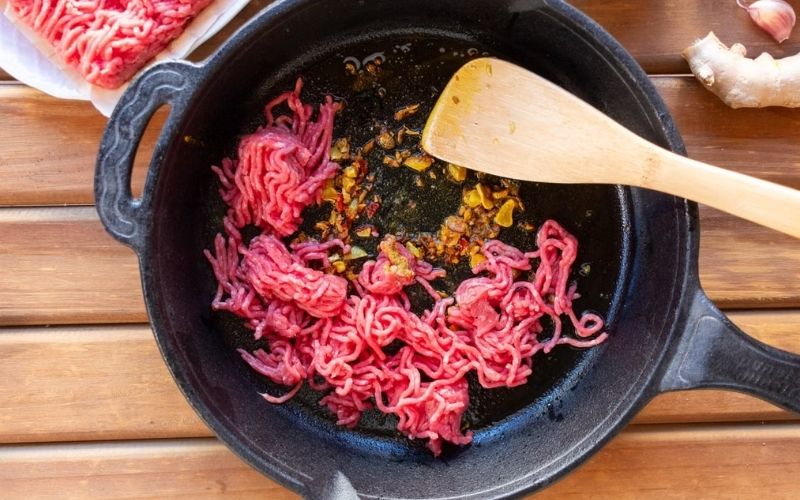
3. Signs Ground Beef Should Be Discarded
Signs of spoilage can help you identify ground beef that should be discarded, but they cannot confirm that the meat is safe to eat. Harmful bacteria may be present without changing the meat’s smell, texture, or appearance, so the recommended storage time matters even when the beef looks normal.
- Slimy or sticky texture: A noticeably slimy or sticky surface can indicate spoilage, so the meat should be discarded.
- Sour or unusual smell: An unpleasant or unusually strong odor can also indicate spoilage and is a reason to discard the meat.
- Brown or gray color: Color alone does not confirm spoilage. Ground beef can appear brown or gray inside the package when oxygen has limited contact with the meat.
These signs indicate spoilage when present, but their absence does not prove that ground beef is safe if it has already exceeded the recommended refrigerator storage period.
>>> Read more: How Long to Grill Frozen Burgers: Cooking Time Easy Explanation
4. Safe Storage Practices for Ground Beef
Use these storage practices to keep ground beef contained, separated from ready-to-eat foods, and properly protected in the refrigerator.
- Keep the package sealed
Leave ground beef in its original packaging if it is intact and will be used soon. For opened packages, transfer the meat to a sealed, leak-resistant container or wrap it securely.
- Store raw meat on the bottom shelf
Place ground beef below ready-to-eat foods so any liquid from the package cannot reach other food.
- Separate raw and ready-to-eat foods
Use separate containers and utensils for raw ground beef and foods that are ready to eat.
- Divide large amounts into portions
If you bought a large quantity, separate it into meal-sized portions before refrigerating or freezing. This lets you use only what you need while keeping the remaining portions protected.
- Keep cooked leftovers covered
Place cooked ground beef in a clean, covered container before returning it to the refrigerator.
5. When Should You Freeze Ground Beef Instead?
If you do not plan to cook raw ground beef within 1 to 2 days, freezing it is a practical option. Freeze it while it is still within the recommended refrigerator storage period rather than waiting until the meat is close to spoiling.
At 0°F (-17.8°C) or below, ground beef can remain safe indefinitely as long as it stays continuously frozen. However, freezer storage can gradually affect quality, so USDA recommends using frozen ground beef within about 3 to 4 months for best quality.
For longer freezer storage, use heavy-duty plastic wrap, aluminum foil, freezer paper, or freezer bags to limit air exposure and help prevent freezer burn.
>>> Read more: How Long to Grill Potatoes in Foil: Perfect Timing
6. FAQs
These quick answers cover common questions about refrigerated ground beef.
Is raw ground beef good after 5 days in the fridge?
No. Raw ground beef is not recommended after 5 days in the fridge. It should be used or frozen within 1 to 2 days when refrigerated at 40°F (4°C) or below.
Is ground beef good 4 days after thawing?
No. Ground beef thawed in the refrigerator should generally be cooked or refrozen within 1 to 2 days after it fully thaws. If it was thawed in cold water or the microwave, it should be cooked immediately after thawing.
Is cooked ground beef ok after 7 days?
No. Cooked ground beef is not recommended after 7 days in the fridge. Cooked leftovers should be used within 3 to 4 days when refrigerated at 40°F (4°C) or below.
Can you eat 10-day-old ground beef?
No. Ground beef kept in the refrigerator for 10 days is beyond the recommended storage period and should be discarded.
Is ground beef still safe if it turns brown or gray?
Not necessarily. Brown or gray color alone does not mean ground beef has spoiled. Check its storage time, smell, and texture before deciding whether to use it.
Conclusion
How long does ground beef last in the fridge comes down to its condition when it goes in and how long it stays properly chilled.
Raw ground beef should generally be used or frozen within 1 to 2 days, while cooked ground beef keeps for about 3 to 4 days.
If you’re already past that window, don’t let a normal-looking color or smell convince you otherwise—when it comes to ground beef, the storage timeline matters.