How long does coffee last depends on what kind of coffee you’re storing and what happens after you open or brew it. A bag of coffee beans can sit in your pantry for quite a while, while yesterday’s brewed coffee or a cup with milk needs a much closer look.
Knowing the difference between coffee that’s simply lost its freshness and coffee that should be discarded can save you from both wasting a good batch and taking an unnecessary risk. This guide breaks down how long different types of coffee last and how to tell when it’s time to make a fresh cup.
1. How Long Does Coffee Last?
There is no single answer to how long does coffee last because brewed coffee, coffee with milk, whole beans, grounds, and instant coffee have different storage considerations.
Brewed Coffee
For brewed coffee, distinguish food safety from flavor. Plain coffee may lose flavor and aroma fairly quickly, but once it becomes a refrigerated leftover, general food-safety guidance for prepared foods is to use it within 3 to 4 days when kept at 40°F (4°C) or below.
Perishable coffee drinks containing milk or cream should be refrigerated within 2 hours and handled according to the storage guidance for perishable leftovers.
Homemade cold brew should also be refrigerated promptly. Its exact quality window can vary with the recipe, preparation method, and storage conditions, so avoid treating seven days as a universal safety guarantee.
Coffee Beans and Grounds
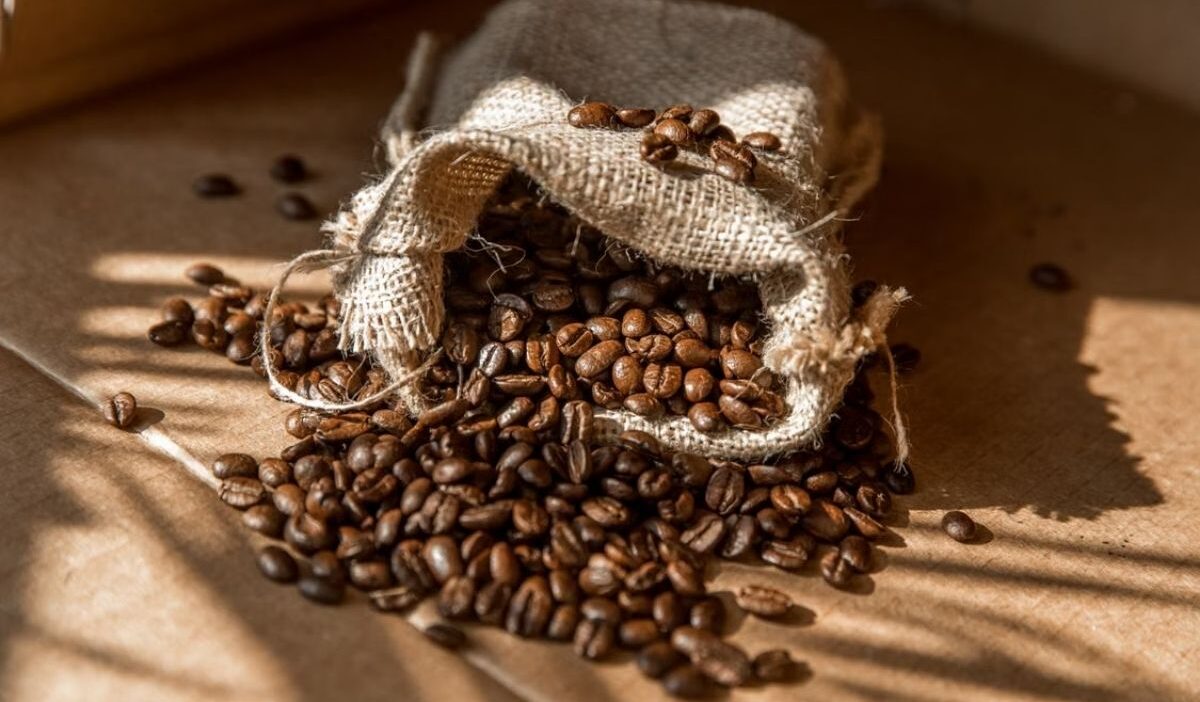
Dry coffee generally loses freshness before it becomes a food-safety concern. An unopened package can remain usable around its labeled best-by date when properly stored, while opened coffee gradually loses aroma and flavor after exposure to air.
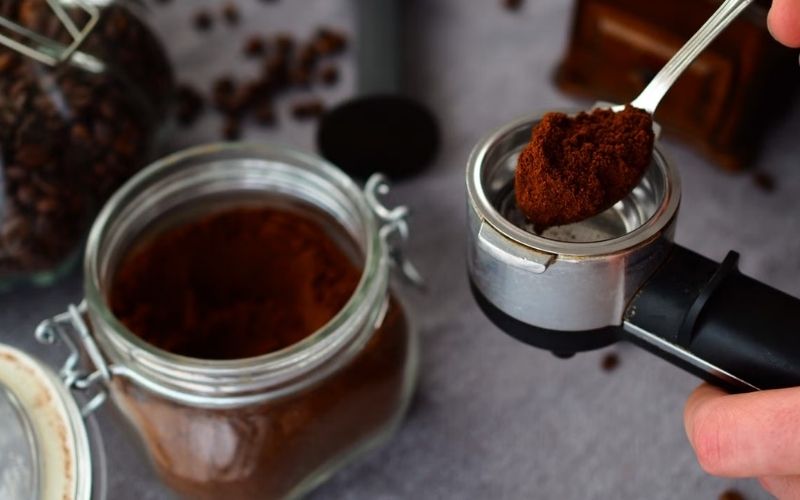
As a practical quality guide, opened ground coffee is often best used within about 2 weeks. Whole beans can retain their quality longer because less surface area is exposed to air.
Instant Coffee
Instant coffee has a relatively long storage life when kept dry and tightly sealed. An unopened package can typically remain usable for 1 to 2 years, while an opened container is generally best within about 2 to 3 months for quality. Moisture exposure can shorten that window.
For packaged coffee, always follow the manufacturer’s storage instructions and distinguish a quality date from a safety date.
>>> Read more: How Long Does Cooked Rice Last in the Fridge? Safe Shelf Life
2. When Coffee Becomes a Food-Safety Concern
Besides knowing how long does coffee last, food safety becomes more important when coffee contains perishable ingredients or has been stored improperly. Coffee with milk or cream should not be left at room temperature beyond the 2-hour limit, or 1 hour when temperatures exceed 90°F.
For refrigerated brewed coffee or coffee drinks, storage history matters more than smell alone. If you are unsure how long a perishable drink has been sitting out or whether it stayed properly refrigerated, don’t taste it to test whether it is safe.
Visible mold, unusual growth, or a clearly abnormal odor are also reasons to discard coffee. However, the absence of these signs does not guarantee that improperly stored coffee is safe.
3. What Makes Coffee Lose Freshness or Go Bad?
Several storage conditions affect how long does coffee last at different stages of its shelf life.
- Exposure to Oxygen: Air gradually reduces the compounds responsible for coffee’s aroma and flavor.
- Moisture: Moisture is a bigger concern for dry coffee because it can affect the coffee’s condition and create an environment where mold can develop.
- Heat and Light: Heat and light can speed up quality loss, especially when coffee stays exposed for long periods.
- Time and Temperature: Time affects both dry coffee quality and brewed coffee storage. For brewed coffee, temperature becomes especially important once the drink has been prepared.
4. Signs Coffee Is No Longer Worth Drinking
If you’re wondering how long does coffee last, then the difference between stale and spoiled coffee also matters. Stale coffee has mainly lost quality, while improperly stored coffee can become a food-safety concern.
Signs of Stale Coffee
These usually indicate reduced freshness rather than spoilage:
- Weak aroma: The coffee has much less fragrance than fresh coffee.
- Flat flavor: The brewed cup tastes dull or less pronounced.
- Cardboard-like taste: The coffee has an older, papery flavor.
- Little aroma after brewing: The brewed coffee releases very little fragrance.
These signs mainly indicate a decline in quality rather than spoilage.
Signs to Discard
These changes give a clear reason to stop using the coffee:
- Visible mold: Discard the coffee if mold is present.
- Damp or wet dry coffee: Moisture has affected the beans or grounds.
- Foul or unusual odor: The coffee smells distinctly different from its normal aroma.
- Dairy coffee left out too long: Discard coffee with milk or cream after it exceeds the applicable room-temperature limit.
- Unknown storage history: Do not taste brewed coffee when its storage time or temperature is uncertain.
Do not taste coffee to determine whether it is safe. Harmful microorganisms may not produce an obvious change in smell, appearance, or taste.
5. Coffee Storage Tips for Longer Freshness
After knowing how long does coffee last, A few simple habits can slow quality loss and help coffee retain its aroma:
- Use an airtight container: Keep opened beans or grounds tightly sealed and protected from moisture.
- Store coffee somewhere cool and dark: A pantry or cabinet away from heat, sunlight, and steam is usually suitable.
- Buy smaller quantities: Purchase enough coffee to use while it is still fresh rather than keeping a large opened package for months.
- Grind beans close to brewing: Whole beans generally preserve freshness better than grounds because less surface area is exposed to air.
- Refrigerate brewed coffee promptly: If you are saving brewed coffee, place it in a clean, covered container and refrigerate it at 40°F or below.
- Freeze-dry coffee when useful: Beans or grounds can be frozen in well-sealed packaging to slow quality loss. Protect them from moisture and repeated temperature changes.
>>> Read more: How Long Do AirTags Last? Battery Life, Replacement, and Ways to Extend
6. FAQs
These quick answers cover common questions about how long does coffee last
Can coffee still be used after the best-by date?
Yes. The best-by date mainly indicates peak quality, not an automatic safety cutoff. Check the coffee’s condition and storage history before use.
Does whole bean coffee last longer than ground coffee?
Yes. Whole beans generally stay fresh longer after opening because they have less surface area exposed to air. Ground coffee loses freshness faster.
Does adding milk change how long coffee lasts?
Yes. Milk makes coffee more perishable. Refrigerate it promptly and use it within the appropriate refrigerated storage window.
Can you freeze coffee to keep it fresh?
Yes. Coffee can be frozen when sealed in an airtight package. Keep moisture and air out, and remove only the amount you plan to use.
How long does cold brew last in the fridge?
Homemade cold brew can last up to about 7 days in the refrigerator when stored properly, although freshness can decline sooner.
Conclusion
How long does coffee last depends on what you’re storing. Dry beans and grounds usually lose freshness gradually, while brewed or milk-based coffee needs more attention to refrigeration and storage time.
If you’re unsure about a cup you’ve saved, look at its storage history first—not just its smell. Keeping dry coffee sealed and brewed coffee properly refrigerated makes it much easier to enjoy your coffee without guessing.