
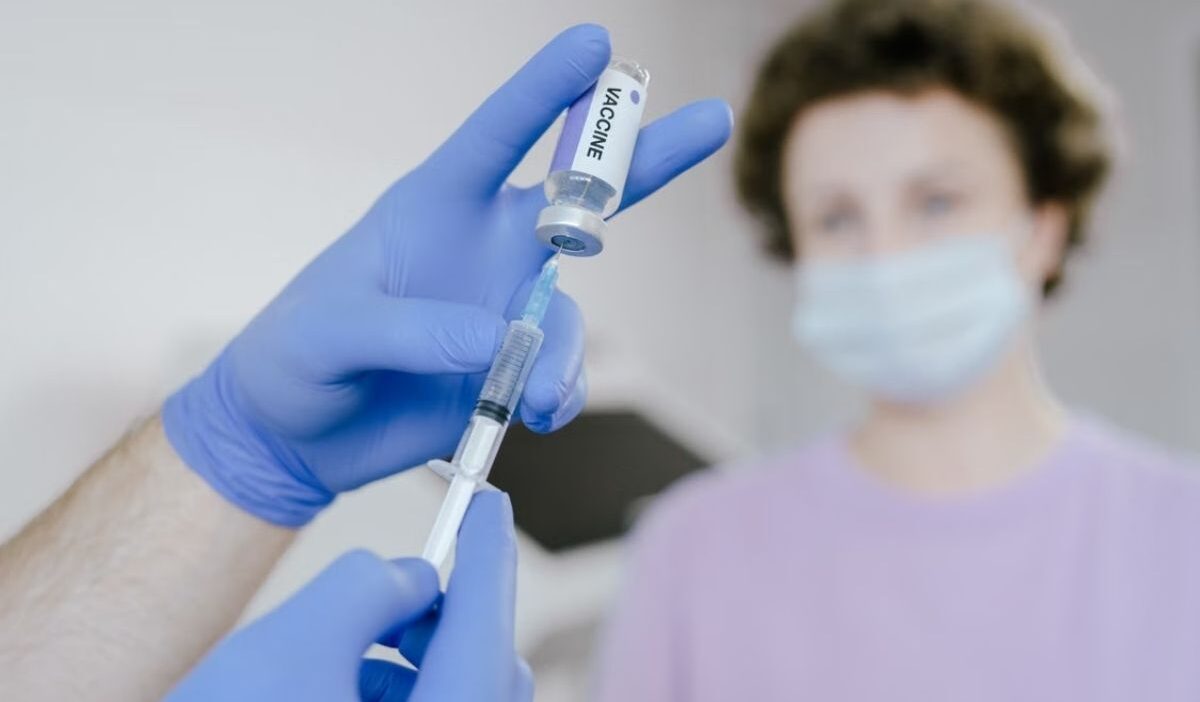
Wondering how long do RSV vaccine side effects last? Most common reactions, such as arm soreness, fatigue, and headache, improve within 1–3 days. However, recovery time varies depending on the vaccine and individual response.
This guide explains what to expect, how to manage discomfort, and when symptoms may require medical attention.
How Long Do RSV Vaccine Side Effects Last?
Most common RSV vaccine side effects improve within 1–3 days, although some may last longer. Clinical trials of RSV vaccines have reported median reaction durations of approximately 1–3 days, depending on the vaccine and study population.
| Time after vaccination | What to expect |
| First 1–2 days | Injection-site soreness, fatigue, headache, or muscle aches may appear. |
| Days 2–3 | Many common reactions begin improving or resolve. |
| Days 4–7 | Some symptoms may persist. Contact a healthcare professional if they are not improving or are worsening. |
| After 1 week | Ongoing unexplained symptoms should be medically evaluated. |
These timeframes are general estimates, not strict recovery deadlines. Mild side effects typically resolve without treatment, but persistent or worsening symptoms may require medical attention.
Seek emergency care immediately for difficulty breathing, swelling of the face or throat, or other signs of a severe allergic reaction. New or progressive muscle weakness or tingling also requires urgent medical assessment.
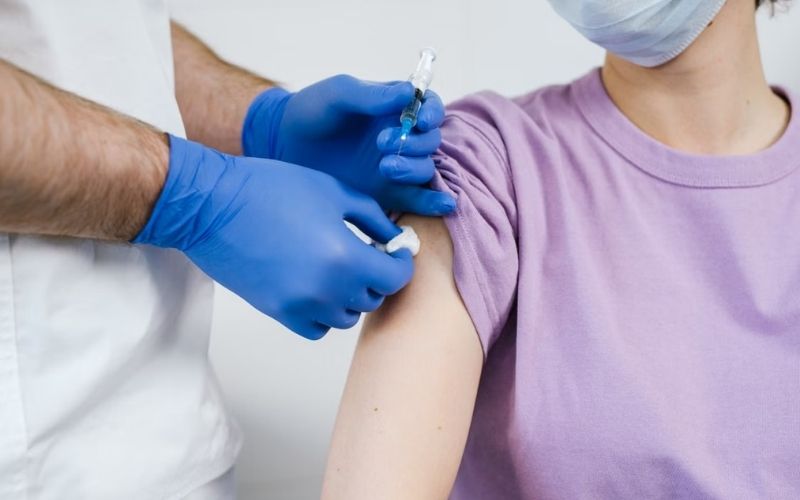
What Are the Most Common RSV Vaccine Side Effects?
The most common RSV vaccine side effects include injection-site pain, fatigue, headache, and muscle aches. Most reported reactions are mild to moderate and improve within a few days, although symptoms vary by vaccine.
- Injection-site reactions: Pain or tenderness around the injection area is common. Redness or swelling may also occur.
- Fatigue and headache: Some people experience tiredness or headaches that temporarily affect their daily routine.
- Muscle or joint pain: Mild aches may occur after vaccination, particularly with certain RSV vaccines.
- Nausea: This is reported with some vaccines, including Abrysvo.
Not everyone experiences side effects. The type and intensity of reactions can differ between Abrysvo, Arexvy, and mRESVIA.
Do RSV Vaccine Side Effects Last Longer in Seniors?
RSV vaccine side effects do not necessarily last longer in seniors. Most common reactions, such as arm soreness, fatigue, headache, and muscle aches, improve within a few days.
However, age alone does not determine how long do RSV vaccine side effects last. Several factors may influence how symptoms are experienced:
- Individual response: The severity and duration of reactions vary between people.
- Existing health conditions: Chronic illnesses may make it harder to distinguish vaccine reactions from other symptoms.
- Medications: Some medicines may cause overlapping symptoms or affect which treatments are appropriate.
- Persistent symptoms: Discomfort that worsens or fails to improve should be assessed by a healthcare professional.
Older adults should seek prompt medical advice for unusual or concerning symptoms rather than assuming they are normal vaccine reactions.
>>> Read more: How Long Do Zepbound Side Effects Last? What to Expect During Treatment
How to Manage RSV Vaccine Side Effects at Home
Mild RSV vaccine side effects can often be managed at home with rest, hydration, a cool compress, and appropriate pain relief. Most common reactions improve within a few days without requiring medical treatment.
- Get enough rest: Take breaks and avoid strenuous activities if you feel tired or achy.
- Stay hydrated: Drink water regularly, especially if you experience a mild fever.
- Ease arm soreness: Apply a clean, cool, damp cloth to the injection site and gently move your arm to reduce discomfort.
- Manage pain or fever: Ask a healthcare professional or pharmacist whether an over-the-counter pain reliever is appropriate, especially if you take other medications.
- Monitor your symptoms: Watch for changes in pain, fatigue, or fever and whether they improve over time.
Contact a healthcare professional if symptoms worsen or fail to improve. Seek emergency care for difficulty breathing, swelling of the face or throat, or other signs of a severe allergic reaction.
When Should You Worry About RSV Vaccine Side Effects?
Most RSV vaccine side effects resolve within a few days. However, persistent symptoms or signs of a serious reaction may require medical attention.
Side Effects That Last Longer Than Expected
Most common RSV vaccine side effects improve within a few days, but how long do RSV vaccine side effects last can vary by symptom and individual.
- Worsening symptoms: Symptoms become more severe instead of improving.
- Persistent symptoms: Fever, pain, or unusual fatigue continues beyond the expected recovery period.
- When to seek care: Contact a healthcare professional if symptoms persist, worsen, or interfere with daily activities.
Rare but Serious Reactions
Although rare, serious reactions require prompt medical attention. Watch for signs of a severe allergic reaction or possible Guillain-Barré syndrome (GBS):
- Severe allergic reaction: Difficulty breathing or swelling of the face or throat requires emergency care.
- Possible GBS: Progressive muscle weakness, tingling, or difficulty walking warrants urgent medical assessment.
The FDA requires GBS warnings in the prescribing information for Arexvy and Abrysvo after post-marketing studies suggested an increased risk within 42 days of vaccination. However, the available evidence does not establish a causal relationship.
>>> Read more: How Long Does DayQuil Last? Effects, Dosage & Safety Guide
FAQs
What is the new warning on the RSV vaccine?
The FDA added a Guillain-Barré syndrome (GBS) warning to Arexvy and Abrysvo in January 2025 after studies suggested a possible increased risk within 42 days of vaccination. A causal relationship has not been established.
What is the controversy about the RSV vaccine?
The main concern is the potential risk of rare neurological conditions, particularly GBS, alongside questions about vaccine safety in older adults. However, the FDA concluded that the benefits of Arexvy and Abrysvo continue to outweigh their risks.
What are the potential side effects of the RSV shot for seniors?
Common side effects include injection-site pain, fatigue, headache, muscle aches, and sometimes fever or nausea. Most are mild and short-lived. Rare serious risks include severe allergic reactions and possible GBS.
Conclusion
How long do RSV vaccine side effects last? Most reactions resolve within 1–3 days, although recovery varies by person and vaccine. If symptoms persist or worsen, consult your healthcare provider.
For more practical health guidance and wellness tips, visit HanksTexasGrill.