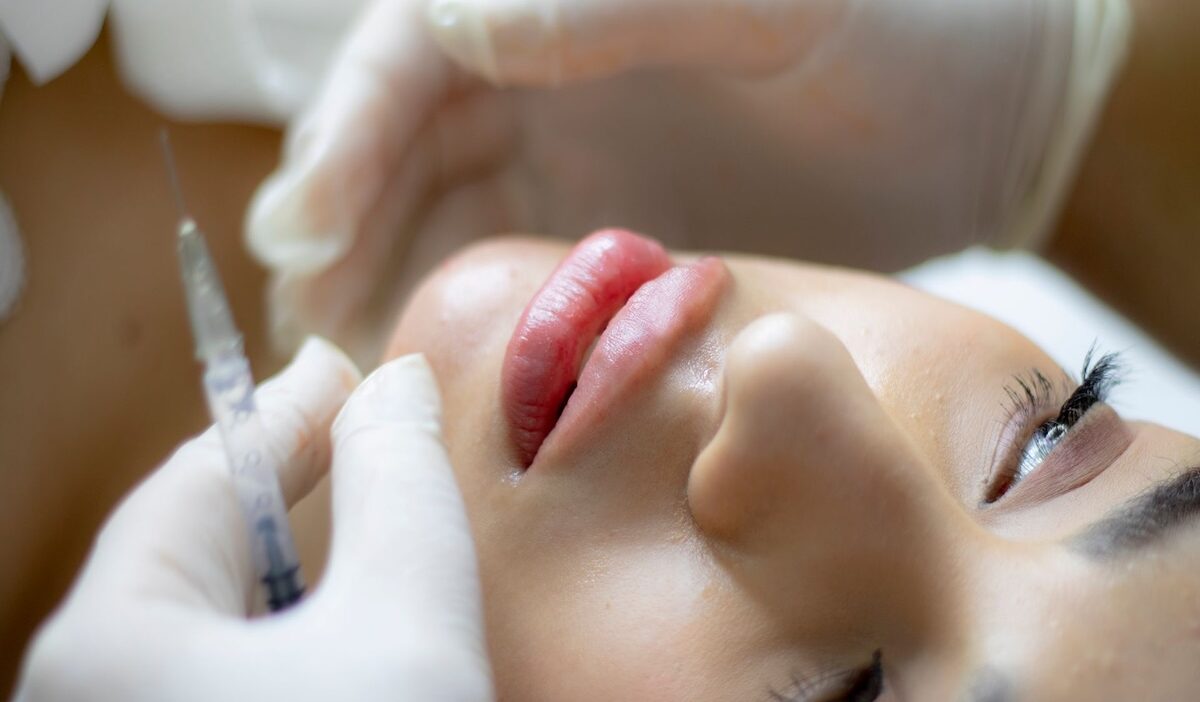
Lip fillers can enhance lip volume, improve symmetry, and create a more defined shape without surgery. However, many people ask, “How long does lip filler last?” before they schedule an appointment.
Most hyaluronic acid lip fillers maintain visible results for 6 to 12 months. However, the product, treatment plan, metabolism, and lifestyle can shorten or extend that timeline.
This guide explains the typical lifespan, the healing process, and the warning signs that require medical attention.
1. Quick Answer: How Long Does Lip Filler Last?
Most lip filler results last between 6 and 12 months. Some people notice fading after six months, while other people retain noticeable volume for 12 months or longer.
Most providers use hyaluronic acid fillers because these products create soft, natural-looking volume. The body gradually breaks down the hyaluronic acid, so the lips slowly return to their previous appearance.
The answer to how long does lip filler last depends partly on the specific product. According to the American Academy of Dermatology’s filler guide, hyaluronic acid gels generally last 4 to 12 months across treated areas.
Lip filler may not last as long as filler placed in some less mobile facial areas. The lips move constantly during talking, eating, and smiling, while product type, placement, dose, and individual metabolism also affect how quickly results fade.
A conservative first treatment may create a subtler change, so the visible effect may seem to fade sooner even when the filler itself is still present. Regular maintenance appointments may help the patient preserve a consistent shape.
2. Recovery Timeline After Lip Filler
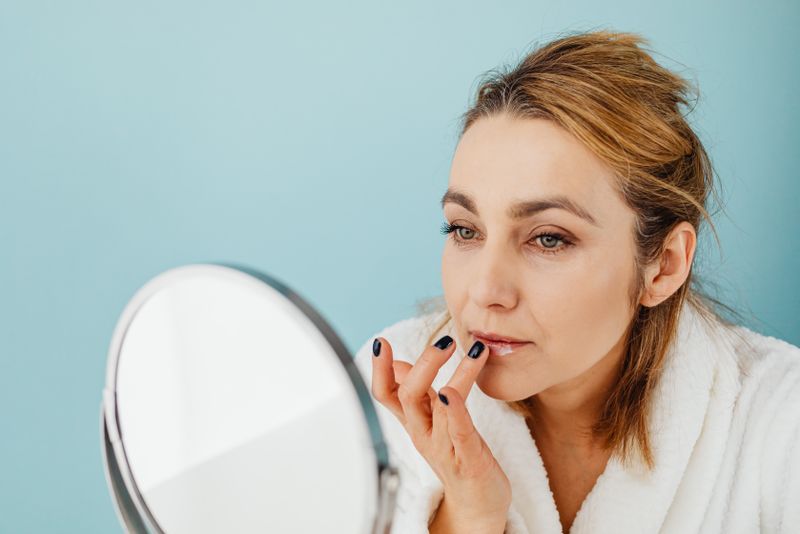
The healing process changes the appearance of the lips from day to day. Swelling can initially make the lips look larger or less symmetrical than the final result.
First 24 hours
The lips may develop swelling, tenderness, redness, and firmness. A wrapped cold pack can ease discomfort. Your injector may also recommend avoiding strenuous exercise, excessive heat, alcohol, and pressure on the treated area for the first day or two to help limit swelling or bruising.
Days 2-3
Swelling is often still noticeable during the first few days but should gradually begin to improve. Anyone asking how long does lip filler swelling last can expect the main swelling to ease within several days.
Days 4-7
Most swelling and tenderness should improve noticeably by the end of the first week. Bruises may change from purple or blue to yellow or green as the body clears them.
Those wondering how long does bruising last after lip filler can generally expect mild bruising to fade over several days. Some bruising may remain for up to one or two weeks, depending on the individual and the extent of the injections.
Week 2
The lips should look softer and more balanced. A follow-up appointment can help the provider evaluate healing, symmetry, and volume.
One month and beyond
Cleveland Clinic explains that lip filler may take two to four weeks to settle fully. After the lips settle, the filler gradually loses volume as the body metabolizes it.
3. What Affects How Long Results Last?
Several factors influence how long does lip filler last and how quickly the lips lose volume.
- Type of filler: Each hyaluronic acid formula has a different texture and lifespan. Softer fillers create flexible volume, while firmer products provide more structure.
- Metabolism and individual biology: Results vary from person to person. Differences in body chemistry, age, treatment area, and how the filler is placed may influence how quickly the visible effect fades.
- Lifestyle: Smoking and frequent sun exposure can damage the surrounding skin. Strenuous exercise is commonly limited for the first 24 to 48 hours after treatment because it may worsen temporary swelling or bruising, but it is not clearly established as a major factor in long-term filler breakdown.
- Injection technique: Proper placement helps the filler create balanced, natural-looking volume. It’s highly recommended to choose a licensed, experienced healthcare provider for treatment.
- Maintenance: Small, well-timed touch-ups can restore fading volume. However, frequent or excessive injections can distort the natural lip shape.
Patients can support healing by following the injector’s aftercare instructions, avoiding unnecessary pressure on the lips during the early recovery period, and protecting the skin from excessive sun exposure. Longer-term maintenance depends mainly on the product used, treatment plan, and individual response.
4. Normal Healing vs. Warning Signs
Knowing how long does lip filler last is only part of the story. It’s equally important to understand the difference between normal healing and potential warning signs.
Mild swelling, bruising, and tenderness usually represent normal reactions. However, severe pain, unusual discoloration, or vision changes can indicate a rare but serious complication.
The table below separates common healing symptoms from signs that require medical care.
| Symptom | Expected duration | When to seek medical attention |
| Mild swelling | Usually improves within 2-7 days | Contact the provider if swelling worsens, persists, or develops with severe pain |
| Mild bruising | Usually fades within 5-10 days but can last two weeks | Contact the provider if bruising rapidly expands or accompanies intense pain |
| Tenderness | Usually improves within several days | Seek advice if pain becomes severe, persistent, or increasingly intense |
| Redness at injection points | Usually improves within a few days | Contact the provider if redness spreads or appears with heat, pus, or fever |
| Minor asymmetry | Usually improves as swelling settles | Ask the injector for an assessment if asymmetry remains after swelling has substantially settled, often around the two-week follow-up. |
| Small lumps or firmness | May occur temporarily during healing | Contact the injector if lumps are painful, hard, inflamed, worsening, or persist after the expected settling period |
| Pale, white, gray, blue, or mottled skin | Not considered a routine healing change | Seek urgent medical care because the symptom may indicate reduced blood flow |
| Vision changes, weakness, or severe headache | Not considered normal | Seek emergency medical care immediately |
The FDA lists bruising, swelling, redness, pain, and tenderness among the common risks of dermal fillers. However, the agency also warns that accidental injection into a blood vessel can cause tissue damage, vision problems, blindness, or stroke.
Patients should contact their injector immediately if the skin becomes pale or mottled or if severe pain develops. Patients should seek emergency care for vision changes, breathing difficulties, facial drooping, confusion, or weakness.
>>> Read more: Medicaid Texas for Pregnancy: Do You Qualify & How to Apply Fast
5. FAQs
Do lips go back to normal after lip fillers?
Yes, the lips generally return toward their original appearance as the body breaks down hyaluronic acid. The change usually occurs gradually instead of suddenly.
How long does swelling last after lip filler?
Most noticeable swelling improves within 24 to 48 hours, but some swelling can remain for one week. Subtle swelling may take two to four weeks to disappear completely.
How long does 0.5 ml lip filler last?
There is no fixed lifespan based on volume alone. A 0.5 mL treatment may create a subtler result that appears to fade sooner, while the actual duration depends on the filler product, placement, metabolism, and treatment plan.
Do lips go saggy after lip fillers?
Most people do not develop noticeable sagging simply because hyaluronic acid filler fades. The lips generally move back toward their pretreatment appearance, although aging, repeated high-volume treatment, and individual anatomy can affect the final look.
When do lip fillers fully settle?
Most lip fillers settle within two to four weeks. Patients should wait until the swelling resolves before they evaluate symmetry or request additional product.
6. Conclusion
Lip filler offers temporary enhancement, so every patient should plan for gradual fading and possible maintenance. Most hyaluronic acid products preserve noticeable lip volume for 6 to 12 months, while swelling and bruising usually resolve within days or weeks.
A licensed, experienced healthcare professional can select an appropriate product, use a safer technique, and monitor the healing process. Ultimately, the most accurate answer to how long does lip filler last depends on the product, metabolism, treatment plan, and aftercare habits.