
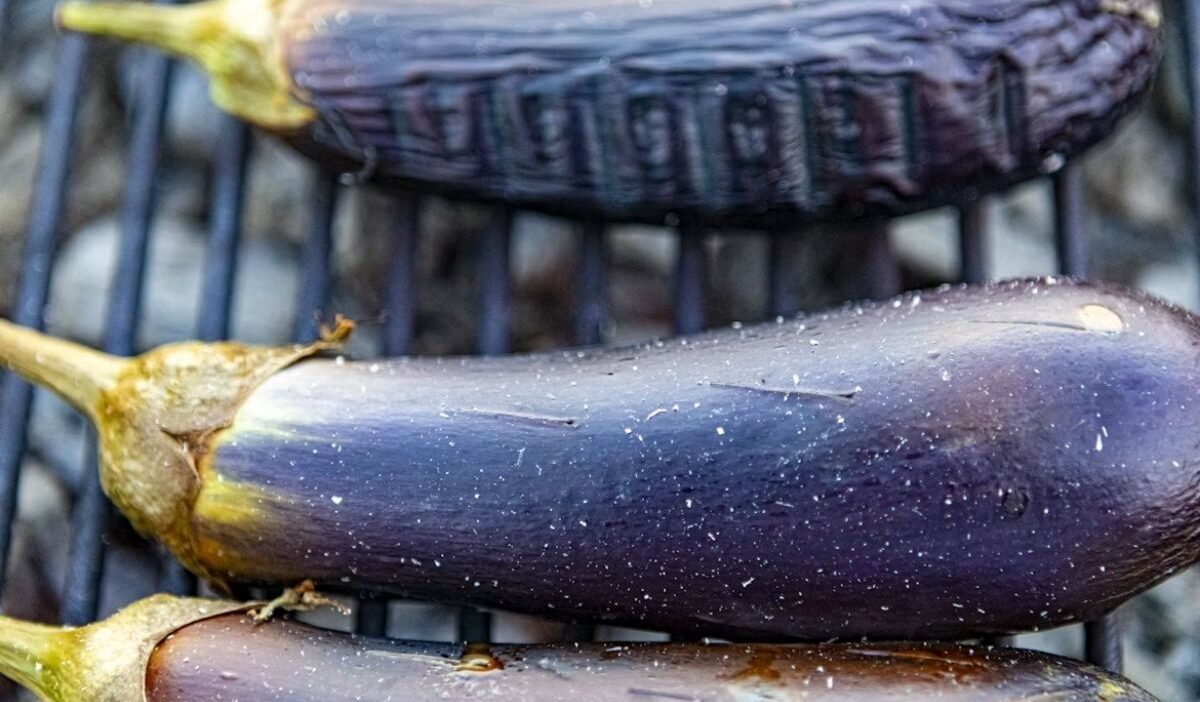
How to grill eggplant well comes down to three things: cutting it evenly, using the right amount of heat, and knowing when the center is tender enough to come off the grill. Because eggplant absorbs oil quickly and softens fast, small differences in thickness or grill temperature can change the final texture.
The good news is that both gas and charcoal grills can produce great results when the heat is managed properly. Read on to see the best preparation steps, practical cooking times, and the doneness signs that help you avoid pieces that are burnt outside but still firm in the middle.
1. Prepare Eggplant Before Grilling
Proper preparation is an important part of how to grill eggplant because it helps the vegetable maintain a pleasant texture after grilling.
Start with firm eggplants that have smooth, shiny skin and a similar size for easier handling.
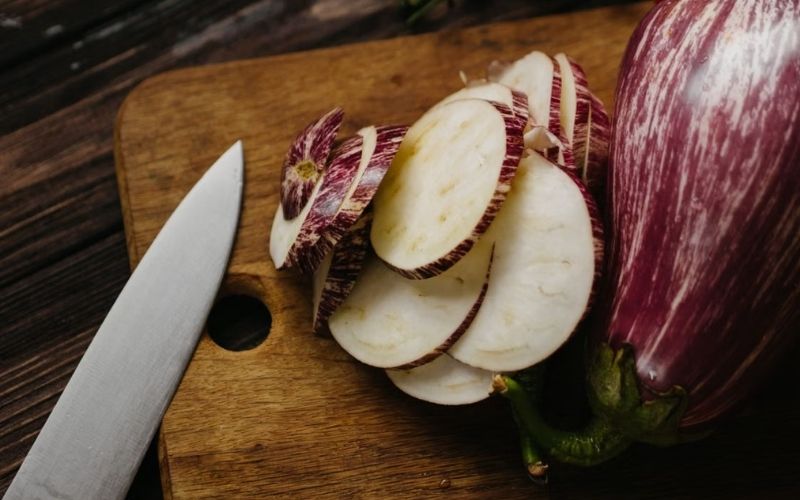
Wash the eggplant, remove the stem, and cut it based on the grilling method you plan to use. Keep the skin on to help the pieces hold their shape during cooking.
Before grilling, lightly coat the surface with olive oil and add simple seasonings such as salt, pepper, garlic, or herbs to enhance the natural flavor.
2. How to Grill Eggplant: BBQ or Gas Grill?
Both gas grills and charcoal BBQ grills work well for eggplant. A gas grill offers easier temperature control, while a charcoal BBQ adds a stronger smoky flavor.
Both gas and charcoal grills work well for eggplant. A gas grill offers easier heat adjustment, while charcoal can add a more pronounced smoky flavor. For either method, preheat the grill to medium or medium-high heat and cook the eggplant until the surface is browned and the center is tender.
Slices and planks
The how to grill eggplant on gas grill approach works well for 1/2-inch eggplant slices and planks because it allows easier heat adjustment during cooking.
Preheat the gas grill to medium-high heat and clean the grates before cooking. Place the prepared slices or planks directly on the grill and close the lid to maintain steady heat.
Grill the pieces for about 3 to 5 minutes per side, then check the texture before serving. Flip the pieces when they release naturally from the grates to help keep their shape.
Thick pieces and halves
When you choose how to grill eggplant on BBQ, thicker pieces and halves can work especially well with a combination of direct and indirect heat.
Start the cut side over direct heat to develop browning, then move thicker pieces to a cooler area of the grill if they need more time to soften in the center. Charcoal can also add a stronger smoky flavor.
Start the prepared thicker cuts over direct heat to develop a lightly charred surface, then move them to indirect heat if the center needs additional time to soften.
Keeping the grill covered helps maintain heat and allows the inside to become tender.
| Feature | Gas Grill | Charcoal / BBQ Grill |
| Temperature Control | Easy adjustment through burner settings | Managed through vents and coal placement |
| Flavor Profile | Clean grilled flavor with caramelized edges | Smokier flavor with deeper char |
| Suitable Eggplant Cuts | Slices, planks, or halves | Slices, planks, or halves |
How to Grill Eggplant in the Oven
If you do not have an outdoor grill, you can cook eggplant under the oven broiler for a similar browned finish.
Arrange oiled and seasoned slices on a baking sheet, place them several inches below the broiler, and turn them once as they brown.
Watch closely because broilers vary in intensity, and remove the eggplant once it is tender and lightly charred.
>>> Read more: How to Grill Pineapple for Perfect Charred Edges
3. Grilling Time and Signs of Doneness
For how long to grill eggplant, these general estimates can help:
- 1/2-inch slices: About 8 to 10 minutes total.
- Halved eggplant: About 12 to 15 minutes total.
The cooking time may change depending on the size of the eggplant pieces, moisture level, and the amount of heat reaching the surface.
The final step in how to grill eggplant is checking these signs to know when the vegetable is ready:
- The flesh feels soft and easy to pierce with a fork.
- The surface shows light browning and clear grill marks.
- The inside becomes tender while the piece still keeps its shape.
Check the center of thicker pieces to make sure the inside reaches the desired soft texture.
4. Tips for Better Grilled Eggplant
A few small adjustments can help grilled eggplant develop better flavor and texture.
- Oil the eggplant and keep the grates clean: A light coating of oil on the eggplant, combined with clean grill grates, helps promote browning and reduce sticking.
- Leave space between eggplant pieces on the grill: Leave enough space between the slices for easy flipping and consistent contact with the grill heat.
- Add acidic flavors after grilling: Lemon juice, balsamic vinegar, or fresh herbs can brighten the smoky flavor after cooking without affecting the grilling process.
>>> Read more: How to Clean a Gas Grill for Better Performance
5. FAQs
These common questions cover practical details that can help you adjust your grilled eggplant method for different preferences and situations.
Can you grill eggplant without peeling it?
Yes. Keeping the skin on helps eggplant maintain its shape during grilling. The skin also makes the pieces easier to handle when they are soft after cooking.
Can you grill different types of eggplant the same way?
Yes, but you should consider the eggplant size and thickness first. Larger varieties usually need more cooking time, while smaller ones may soften faster on the grill.
What’s the best seasoning for grilled eggplant?
Olive oil, salt, pepper, garlic, and herbs are common choices because they enhance eggplant’s natural flavor.
Can you freeze grilled eggplant?
Yes. Let grilled eggplant cool completely, then store it in an airtight container or freezer bag. Frozen grilled eggplant works well for soups, sauces, and other cooked dishes after thawing.
Conclusion
Grilled eggplant is at its best when the outside develops light char while the center stays soft and tender. The exact timing will vary with the cut, grill temperature, and whether you use direct or indirect heat, so the texture matters just as much as the clock.
Once you understand how to grill eggplant, it becomes easy to adjust the method for slices, planks, or halves on either a gas or charcoal grill. Start with even pieces, keep the heat under control, and remove the eggplant as soon as the center is tender enough to pierce easily with a fork.