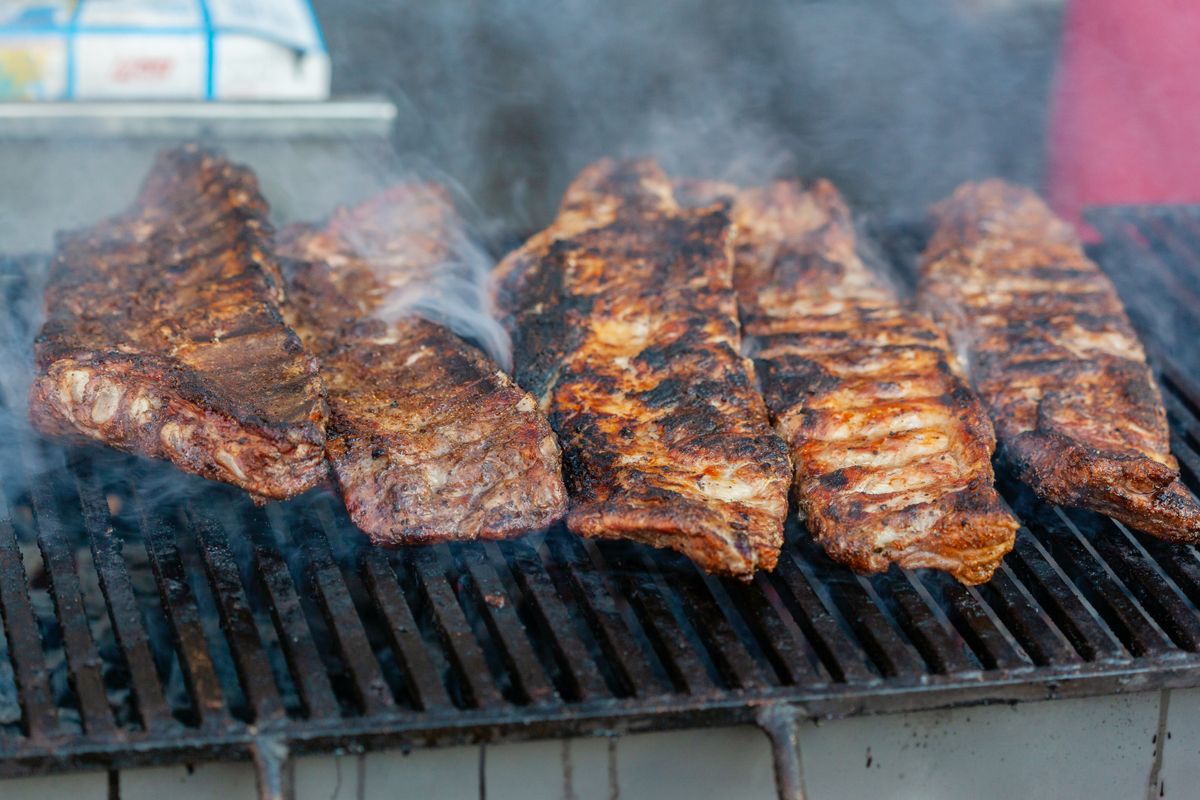
How long to cook ribs on grill is one of the most important questions in barbecue because great ribs can’t be rushed.
Cook them too quickly, and they’ll be tough and chewy. Leave them on too long without the right temperature, and they can dry out. The challenge is that cooking time varies based on the type of ribs, the grill you’re using, and how well you maintain the heat.
Before firing up the grill, here’s what you need to know about timing, temperature, and the signs that tell you when ribs are truly ready.
1. How Long to Cook Ribs on a Grill?
Before choosing a cooking method, it’s helpful to understand the general time range most ribs require and the factors that can affect it.
Ribs need time and gentle heat. When cooked at a low temperature of around 225-250°F, most racks take 3 to 6 hours. So, how long to cook ribs on grill, exactly?
It depends on the cut and your grill, but rushing them is the one mistake that leaves you with tough, chewy meat; the collagen inside only melts into tenderness after hours of slow cooking.
It’s very common to hear questions like “How long does it take to cook ribs on the grill compared to an oven or smoker?” In reality, the method matters less than the temperature. Keep it low and steady, and how long to cook ribs on the grill really comes down to patience more than anything else.
>>> Read more: How Long to Grill Brats Without Drying Them Out
Quick Cooking Time Review
- How long to cook ribs on gas grill at 225-250°F: Expect most baby back ribs to finish in about 4 to 5 hours, while larger spare ribs may need closer to 5 to 6 hours. Gas grills make it easier to hold a steady temperature, which helps keep cooking times predictable.
- How long to cook ribs on charcoal grill at 225-250°F: Expect similar cooking times, generally around 4 to 6 hours, depending on the cut. Because charcoal temperatures can fluctuate more than gas, the exact timing may vary based on fire management and weather conditions.
Rib Types Affect Cooking Time
Baby back ribs are smaller and leaner, so they cook faster, usually around 4 hours. Spare ribs and St. Louis-style ribs are larger and fattier, requiring about 4 or 6 hours but rewarding you with extra flavor. Always cook to tenderness rather than relying solely on the clock. Temperature can be helpful, but the bend test and probe tenderness are often the most reliable indicators.
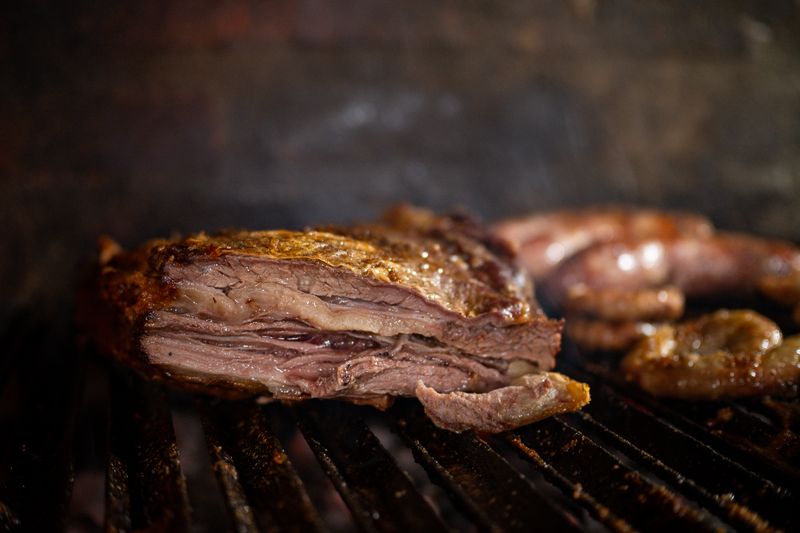
2. The Best Temperatures for Grilled Ribs
Timing matters, but temperature plays an equally important role in determining how tender and flavorful your ribs will become.
- Recommended grill temperature range: Aim for a steady 225-250°F. This low heat slowly breaks down the tough tissue without drying the meat out.
- Internal temperature for rib doneness: Ribs are technically safe at 145°F, but they only turn truly tender around 195-203°F, once the collagen melts.
- How to tell when ribs are done: Try the bend test: lift a rack with tongs, and it should bow and crack slightly on the surface. A toothpick should slide into the meat like soft butter.
3. How to Cook Ribs on a Gas Grill
If you’re wondering how long to cook ribs on grill setups powered by gas, maintaining steady indirect heat is the key to consistent results.
Set Up the Grill and Foil Pan
Light only the burners on one side to create an indirect heat zone. Set a foil pan of water under the cool side to help stabilize the temperature and add humidity inside the grill, then place the ribs there, away from the direct flame.
Cook the Ribs Low and Slow
Hold the grill at 225-250°F and let the ribs cook undisturbed for a few hours. Wrapping them in foil partway through (the “Texas crutch”) locks in moisture and speeds things along.
Finish with a Quick Char
Unwrap, brush on your sauce, and move the ribs over direct heat for just a minute or two per side to set a sticky, caramelized glaze.
4. How to Cook Ribs on a Charcoal or Wood Grill
Charcoal and wood grills require a little more attention, but many barbecue enthusiasts prefer them for the rich smoky flavor they can produce.
Create a Low-and-Slow Cooking Environment
Bank the lit coals to one side and put the ribs on the opposite, cooler side. Keep the lid on with the vents partly open to hold a steady 225–250°F.
Use Wood for Traditional Flavor
Add a few chunks of hickory, apple, or cherry wood to the coals for that classic smoky taste. A little goes a long way; too much wood turns the flavor bitter.
Monitor Cooking Progress
Check the temperature every 45 minutes or so, adding a few coals as needed. Resist opening the lid too often; every peek lets out heat and adds time.
>>> Read more: How to Clean a Grill: Simple Steps for a Safer Cookout
5. Tips for The Perfect Flavor Grilled Ribs
Here are answers to some of the most common questions people ask when grilling ribs at home.
- Remove the thin membrane on the back of the rack so seasoning and smoke can get in.
- Apply a dry rub at least an hour ahead, overnight is even better.
- Save the sugary barbecue sauce for the last 20 to 30 minutes, since it burns easily over heat.
- And always let the ribs rest for about 10 minutes before slicing, so the juices settle back into the meat.
6. FAQs
Should I wrap ribs in foil when grilling?
Wrapping traps steam, keeps the meat moist, and shortens the cook. It’s optional, but great for tender, fall-apart ribs.
Can you cook ribs on the grill in 30 minutes?
Not properly. True ribs need hours of low heat. You can finish pre-cooked or boiled ribs in about 30 minutes, but they won’t have the same texture or flavor.
What are some common grilling ribs mistakes?
Cooking ribs too hot and fast, applying sauce too early, and opening the lid too often are among the most common mistakes, as they can affect tenderness, moisture, and cooking consistency.
How long is too long to cook ribs?
Ribs may be overcooked if the meat falls completely off the bone, becomes stringy, or looks shriveled from moisture loss. While some people prefer that texture, traditional barbecue ribs should be tender with a slight bite.
7. Conclusion
Knowing how long to cook ribs on grill is only part of the process. The best ribs come from understanding how time, temperature, and tenderness work together.
Once you stop relying solely on the clock and start paying attention to the texture of the meat, grilling ribs becomes much more predictable. With a little patience and practice, those long hours by the grill turn into the kind of meal people remember long after the last rib is gone.