
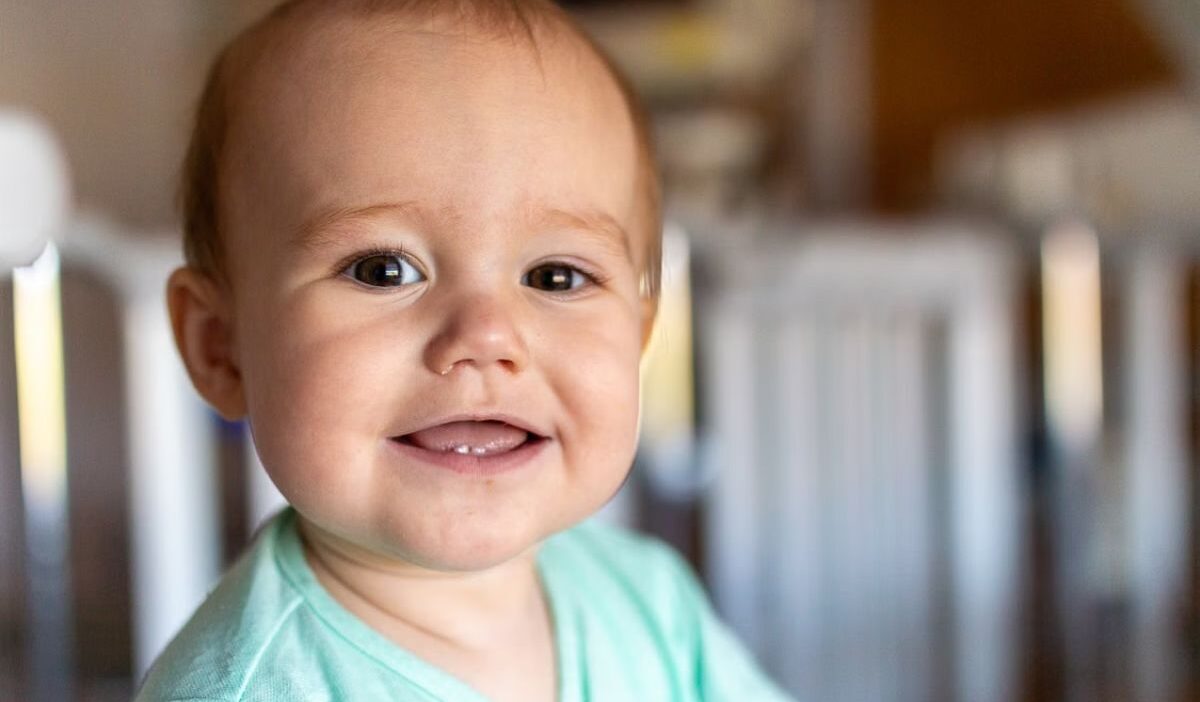
Your baby is drooling more than usual, chewing on everything, and waking up fussier at night. Could teething be the reason? And if so, how long does teething last before things settle down?
Teething can feel unpredictable, especially when symptoms seem to come and go. Understanding the typical timeline, from the first tooth to the last, can help you know what to expect and when your baby might need extra comfort.
How Long Does Teething Last in Babies?
Teething usually starts at around 6 months and continues until approximately 2.5–3 years old, when most children have all 20 primary teeth.
However, discomfort does not last throughout this period. Each episode may last about 3–8 days, although the duration varies from baby to baby.
Symptoms can appear before a tooth breaks through the gums and usually improve after it emerges. Your baby may have a few uncomfortable days, then return to their usual routine before the next tooth appears.
In other words, teething discomfort comes and goes rather than occurring continuously.
| Teething stage | Typical duration or age |
| Discomfort around one tooth | A few days, sometimes 3–8 days |
| First tooth appears | Usually around 6–10 months |
| Multiple teeth emerge | Intermittently throughout infancy and toddlerhood |
| All 20 primary teeth appear | Usually by 2.5–3 years |
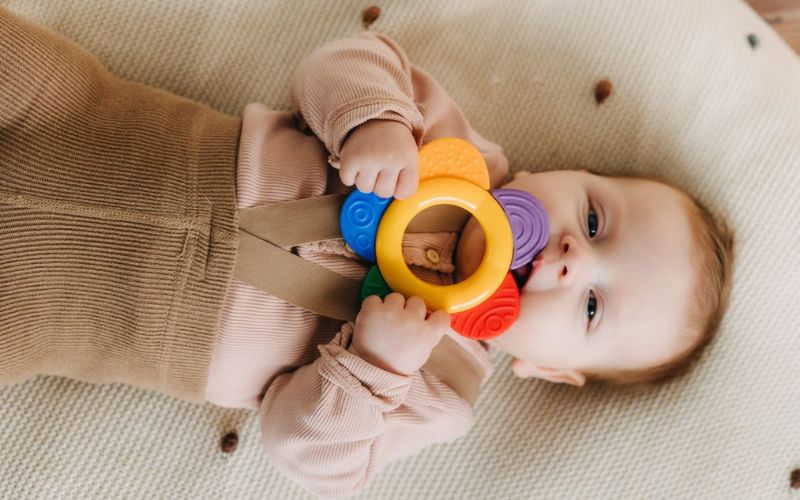
When Do Babies Start and Stop Teething?
Most babies get their first teeth at around 6 months. The lower central incisors usually appear first, followed by the upper central incisors.
Next come the lateral incisors, first molars, canines, and second molars. This sequence gives parents a general idea of which teeth may appear as their baby grows.
The table below shows the typical eruption ages for each group of primary teeth. These ages are approximate, and both the timing and order may vary between children. Some babies get their teeth earlier or later than these ranges.
| Baby’s age | Teeth typically appearing |
| 6–10 months | Lower central incisors |
| 8–12 months | Upper central incisors |
| 9–16 months | Lateral incisors |
| 13–19 months | First molars |
| 16–23 months | Canines |
| 23–33 months | Second molars |
Most children have all 20 primary teeth by around age 3.
What Are the Common Signs of Teething?
Besides wondering how long does teething last, many parents also want to know how to recognize when a new tooth is coming in. Here are the common signs of teething and what to watch for as your baby’s teeth begin to emerge.
- Swollen or tender gums: Mild soreness where a tooth is about to emerge.
- Excessive drooling: More saliva than usual, sometimes with a rash around the mouth.
- Chewing and biting: More interest in fingers, toys, or other safe objects.
- Mild irritability: Temporary fussiness as the gums feel tender.
- Disrupted sleep: Some babies may have trouble settling.
- Reduced interest in eating: Tender gums may make feeding less comfortable.
So, how long does teething pain last? Teething pain in babies usually lasts a few days around each tooth’s eruption, often starting before the tooth breaks through the gums.
Discomfort may come and go as new teeth emerge. Persistent or severe pain, high fever, or other concerning symptoms should be evaluated by a pediatrician.
>>> Read more: How Long Does DayQuil Last? Effects, Dosage & Safety Guide
How to Relieve Teething Pain Safely
If your baby seems more irritable than usual, you may wonder how long does teething fussiness last? Mild irritability often comes and goes as new teeth emerge, rather than continuing throughout the entire teething process.
A few simple steps may help ease your baby’s gum discomfort. Try these methods:
- Gently massage the gums. Use a clean finger to apply gentle pressure.
- Offer a chilled teething ring. Choose a safe, solid teether cooled in the refrigerator rather than frozen.
- Use a cool, clean washcloth. Let the baby chew on it under adult supervision.
- Provide comfort and reassurance. Extra cuddles and a calm environment may help reduce fussiness.
Avoid benzocaine or lidocaine teething gels, homeopathic teething tablets, and amber teething necklaces because of potential serious risks. Consult your pediatrician before you give your baby pain medication.
When Should You Worry About Teething Symptoms?
While understanding how long does teething last can help parents know what to expect, it’s equally important to recognize when symptoms go beyond normal teething discomfort.
Here’s when you should be concerned and consider contacting a pediatrician.
- Fever of 100.4°F (38°C) or higher: Seek immediate medical advice if your baby is younger than 3 months.
- Persistent diarrhea or vomiting: These symptoms may indicate an illness rather than teething.
- Severe or prolonged crying: A healthcare professional can help identify the cause.
- Refusal to feed or signs of dehydration: Seek medical advice, especially if your baby has fewer wet diapers.
- Symptoms that persist or worsen: Arrange an assessment if symptoms do not improve or seem unrelated to teething.
What Not to Do During Teething?
Not every teething product or home remedy is suitable for babies. Avoid the following:
- Benzocaine or lidocaine gels: These may cause serious health effects in infants and young children.
- Homeopathic teething tablets: Do not use these products to relieve teething discomfort.
- Amber teething necklaces: These pose choking and strangulation risks.
- Frozen or liquid-filled teethers: Avoid hard, frozen, or damaged teethers that may injure your baby’s gums.
- Alcohol or unverified home remedies: Never apply alcohol or unapproved substances to your baby’s gums.
Choose a solid, age-appropriate teether with no liquid filling, and always supervise your baby while using it.
>>> Read more: How Long Does Propranolol Last? Two Release Forms
FAQs:
How long does puppy teething last?
Puppy teething typically begins around 3 weeks of age with baby teeth and continues until most permanent teeth emerge at approximately 6–7 months. The most noticeable chewing and gum discomfort usually occur between 3 and 6 months, although the timeline varies by breed.
Can teething start before 4 months?
Yes. Some babies show signs of teething before 4 months, although most get their first tooth at around 6 months.
Do all 20 baby teeth fall out?
Yes. All 20 primary teeth are usually replaced by permanent teeth. This process generally begins around age 6.
What is the 7 4 rule for tooth eruption?
The 7+4 rule is a general guideline: babies may get their first tooth around 7 months, then about four additional teeth every four months. It is not a fixed medical rule.
What are the five stages of teething?
The five stages generally refer to the order in which these tooth groups emerge: central incisors, lateral incisors, first molars, canines, and second molars.
Conclusion
So, how long does teething last? The full process usually spans from around 6 months to age 3, while discomfort from each tooth lasts only a few days. Use the timeline as a guide, choose safe ways to ease gum discomfort, and ask your pediatrician about symptoms that seem unusual.
HanksTexasGrill offers more helpful family-focused articles to support your parenting journey.