
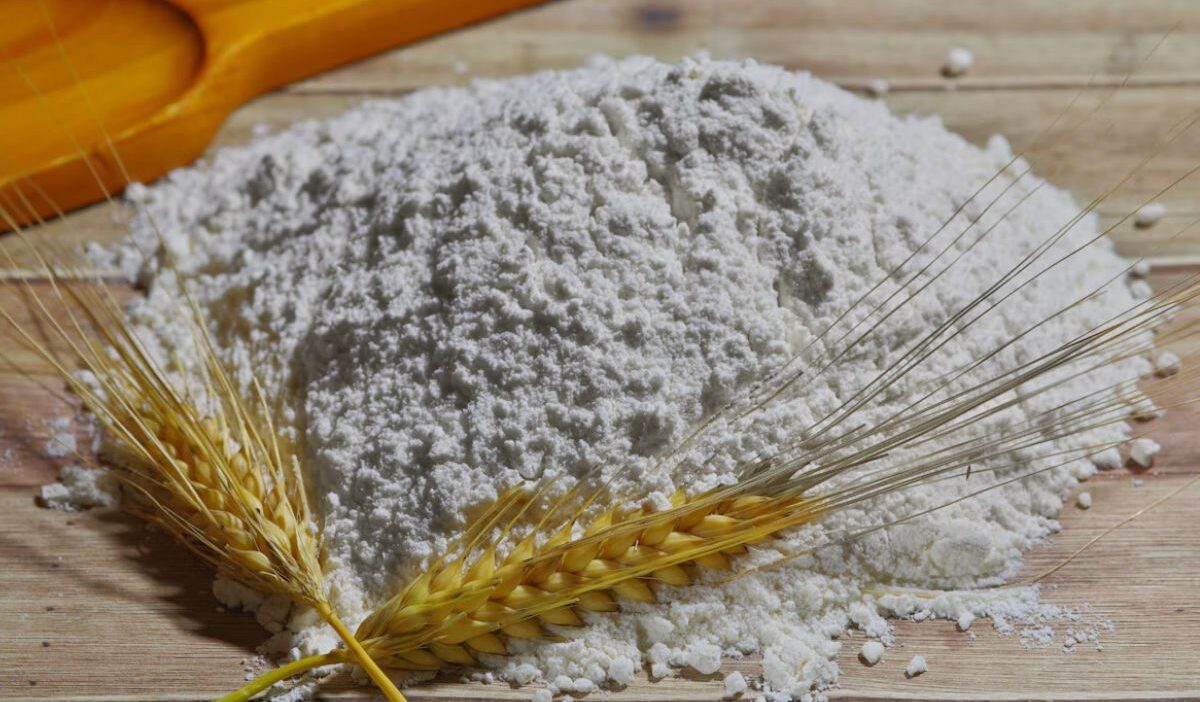
Flour may look like a pantry staple that lasts forever, but even properly stored flour can eventually lose freshness or spoil. So, how long does flour last, and can you still use it after the printed date?
The answer isn’t always obvious, especially since different types of flour have different shelf lives. This guide explores what affects flour’s freshness, how to recognize five signs of spoilage, and when it’s time to replace an old bag.
How Long Does Flour Last by Type?
Most refined white flour lasts about 6–12 months in the pantry, while whole wheat flour generally stays fresh for around 1–3 months at room temperature.
How long does flour last in the refrigerator or freezer? Cold storage can extend its freshness, especially for whole-grain and nut-based varieties.
| Flour type | Pantry shelf life | Recommended storage |
| All-purpose flour | 6–12 months | Cool, dry pantry |
| Bread flour | 6–12 months | Cool, dry pantry |
| Whole wheat flour | 1–3 months for peak freshness | Refrigerator or freezer |
| Self-rising flour | Around 6–12 months | Airtight pantry storage |
| Almond flour | Usually a few months | Refrigerator or freezer |
These are general quality estimates, not guaranteed expiration dates. Actual shelf life depends on packaging, temperature, humidity, and handling.
How Long Do Different Types of Flour Last?
Different types of flour have different shelf lives because of their ingredients and how much of the original grain remains after milling.
All-Purpose and Bread Flour
How long does all purpose flour last? Unopened all-purpose flour typically lasts 6–12 months in a cool, dry pantry. Once opened, it generally stays fresh for about 6–8 months when stored in an airtight container.
Refined all-purpose and bread flour generally keep longer than whole-grain varieties. Milling removes the bran and germ, which contain natural oils that can turn rancid over time.
Store these flours in airtight containers in a cool, dry place, away from ovens and other heat sources.
Whole Wheat Flour
How long does flour last when it contains the bran and germ? Whole wheat flour generally has a shorter pantry shelf life than refined white flour because these grain components contain natural oils that can oxidize over time.
For longer storage, keep unopened flour in its original sealed package in a cool, dry place. Once opened, transfer it to an airtight container and refrigerate or freeze it to preserve freshness.
Self-Rising and Gluten-Free Flour
Self-rising flour contains baking powder, which gradually loses effectiveness over time, even if the package remains unopened. As a result, baked goods may not rise as well. Follow the package date and storage instructions.
Gluten-free flour blends vary in their ingredients. Blends containing nuts or whole grains may become rancid sooner because of their natural oils.
Keep unopened packages sealed and transfer opened flour to an airtight container. Follow the manufacturer’s storage recommendations.
>>> Read more: How Long Does Cheesecake Last in the Fridge? Storage & Safety Guide
How to Tell If Flour Has Gone Bad
Check the flour’s appearance, smell, and texture before use. These five signs may indicate spoilage or poor storage:
- Unusual odor: A sour, musty, stale, or rancid smell can indicate deterioration.
- Noticeable color changes: Discard flour if its color has changed significantly.
- Moisture or unusual clumps: Dampness or hard clumps may indicate moisture exposure and possible mold growth.
- Visible mold: Discard flour if you see any mold.
- Insects or pests: Do not use flour containing insects, larvae, or signs of infestation.
Never taste raw flour to check its freshness. These checks cannot confirm that flour is free from harmful bacteria.
What Affects Flour Shelf Life?
Several storage conditions affect how long flour retains its quality:
- Air exposure: Can speed up oxidation, especially in flour containing natural oils.
- Moisture: Can cause clumping and create conditions for mold growth.
- Temperature: Heat accelerates quality deterioration, while cool storage helps preserve freshness.
- Light exposure: Direct sunlight can contribute to quality loss.
- Packaging: Damaged or loosely sealed packages offer less protection from air, moisture, and pests.
How to Store Flour Properly to Make It Last Longer
Follow these steps to preserve flour quality:
- Store unopened flour properly: Keep the original package sealed in a cool, dry pantry, away from heat and direct sunlight.
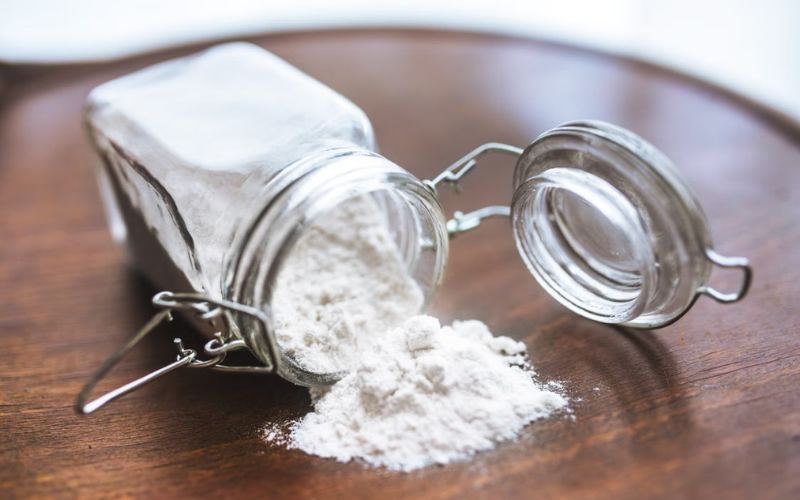
- Use airtight containers: Transfer opened flour to a clean, dry container with a tight-fitting lid.
- Refrigerate whole-grain flour: Store opened whole wheat and other oil-rich flours in the refrigerator or freezer.
- Freeze flour for longer storage: Use a moisture-resistant, freezer-safe airtight bag or container.
- Label opened packages: Record the opening date and keep the original best-by information.
Can You Use Flour After the Expiration Date?
Flour may retain its quality beyond a printed Best By or Best if Used By date. These labels generally indicate expected quality, not a universal food safety deadline. However, the date alone cannot confirm whether flour is suitable to use.
Check its storage history and condition. Discard flour with mold, moisture damage, pests, or an unusual odor.
Keep in mind that raw flour can contain harmful bacteria, including Salmonella and pathogenic E. coli, even when it looks and smells normal. Never taste raw flour, dough, or batter. Cook or bake flour-containing foods thoroughly, following the recipe instructions.
>>> Read more: How Long Does Cream Cheese Last? 10–14 Day Guide
FAQs
How long does almond flour last?
Unopened almond flour typically lasts up to 12 months in the pantry. Once opened, it generally keeps for about 3 months in the refrigerator or longer in the freezer when stored in an airtight container. Always follow the manufacturer’s date and storage instructions.
Can I use flour 2 years out of date?
Possibly, if it has been stored properly and shows no signs of spoilage. However, the date and appearance cannot guarantee safety, so never taste raw flour and always cook it thoroughly.
Is 7 year old flour still good?
Generally, no. Seven years is far beyond typical flour storage estimates, so it is best to discard it rather than risk using degraded or improperly stored flour.
Is it okay to use 3 year old flour?
It is generally better to replace it, especially if you do not know how it was stored. Flour that old may have lost quality, and normal appearance or smell does not guarantee food safety.
Can Flour Last Longer in the Freezer?
Yes. Freezing slows quality deterioration and helps preserve flour, particularly whole-grain and nut-based varieties. Keep it in an airtight, moisture-resistant container.
Conclusion
So, how long does flour last? It depends on the flour type and storage conditions, but the package date and signs of spoilage help you decide when to use or replace it. Keep flour in a sealed container and choose a cool, dry place to preserve its quality.
You can also find more practical kitchen advice in the food guides at HanksTexasGrill.