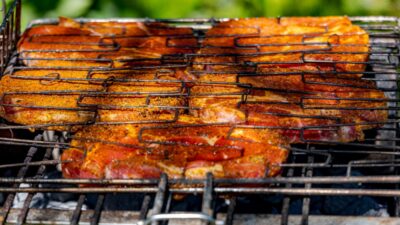
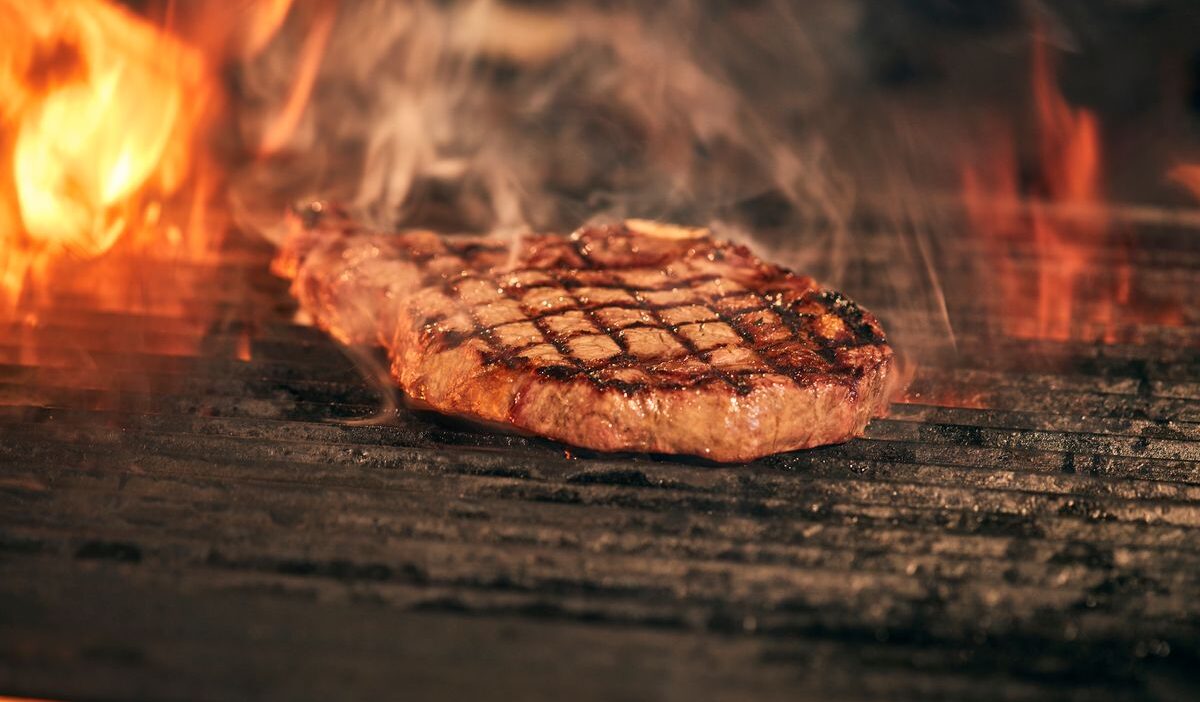
How to grill ribeye steak starts with choosing a quality cut, controlling the heat, and cooking it with patience. A well-grilled ribeye rewards every step with a crisp crust, rich beef flavor, and a tender, juicy center.
Many people overcook ribeye because they rely only on time instead of temperature. Fortunately, a few simple techniques can help anyone master how to grill ribeye steak at home.
This guide covers preparation, cooking times, temperatures, common mistakes, and serving ideas so every steak comes off the grill with confidence.
1. Choosing and Preparing Your Ribeye for the Grill
Knowing how to grill ribeye steak begins long before the meat reaches the grill, because the right cut and proper preparation lay the foundation for a juicy, flavorful result.
Pick the Right Cut for Better Results
A quality ribeye gives every griller a significant advantage. Most ribeyes contain generous marbling, and that fat melts during cooking to create exceptional flavor and tenderness.
For the best results, choose:
- A steak that measures approximately 1 to 1½ inches thick
- Fine, evenly distributed marbling throughout the meat
- USDA Choice or Prime when available
- A steak with consistent thickness for even cooking
- Packaging that is intact and within its labeled use-by or sell-by period
A thicker steak gives you more control over doneness while reducing the risk of overcooking.
Season and Prepare the Steak
Simple seasoning allows the natural beef flavor to shine. Kosher salt and freshly cracked black pepper create a flavorful crust without overpowering the meat.
Follow these preparation steps:
- Keep the ribeye refrigerated until you begin preparing the grill.
- Pat the surface thoroughly dry with paper towels.
- Season both sides with salt and pepper.
- Lightly coat the steak with a high-smoke-point oil, or carefully oil clean grill grates using an oil-dampened paper towel held with long tongs.
- Never spray aerosol cooking oil directly toward a lit grill.
Allowing the steak to lose some of its chill promotes more even cooking from edge to center.
2. Ribeye Grilling Time and Temperature at a Glance
Understanding how long to grill ribeye steak becomes much easier when you combine thickness with internal temperature instead of relying on minutes alone.
| Steak Thickness | Recommended Method | Estimated Total Time |
| 1 inch | Direct medium-high to high heat | 6 to 10 minutes |
| 1¼ inches | Direct heat, with a cooler zone available | 8 to 14 minutes |
| 1½ inches | Sear over direct heat, then finish over indirect heat | 10 to 18 minutes |
These times are estimates. Begin checking the temperature several minutes before the lower end of the range, especially if the grill runs hot.
For food safety, USDA recommends cooking whole beef steak to at least 145°F and allowing it to rest for at least three minutes before slicing or serving.
Some culinary doneness charts list rare and medium-rare temperatures below 145°F. Those temperatures represent personal doneness preferences, not the USDA safe minimum recommendation.
3. A Step-by-Step Method for Grilling a Ribeye
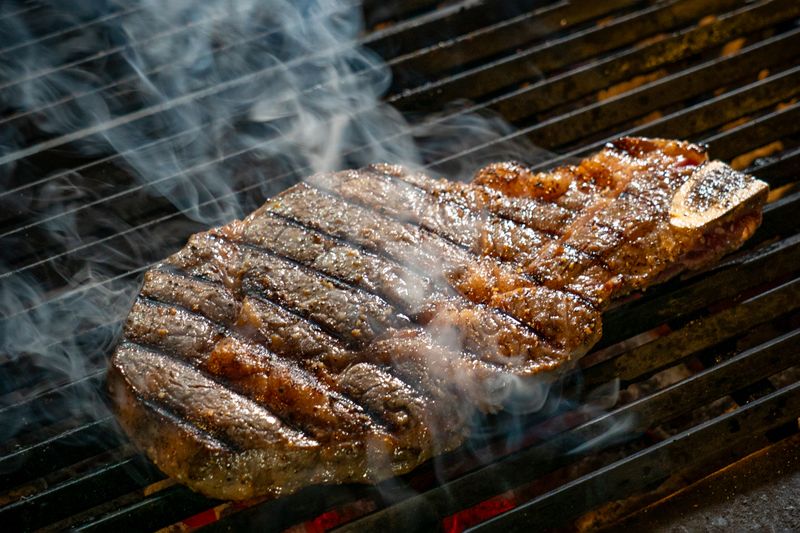
Learning how to grill ribeye steak becomes straightforward when you follow a consistent process. These steps also explain how to grill a ribeye steak while controlling both browning and internal temperature.
Step 1: Prepare the Steak
Remove the ribeye from the refrigerator 30 to 45 minutes before grilling. Pat the steak dry with paper towels, season both sides generously with salt and pepper, and lightly oil the grill grates.
Step 2: Preheat the Grill
Preheat one side of the grill to high heat, approximately 450 to 500°F. Keep the other side at lower heat or leave one burner off to create a cooler finishing zone.
The hotter side develops surface browning, while the cooler side gives you more control if the outside cooks faster than the center.
Step 3: Sear Both Sides
Place the ribeye over direct heat and close the grill lid. Sear the first side for approximately 2 to 4 minutes, depending on the steak’s thickness and the intensity of the heat.
Turn the steak with tongs and sear the second side for another 2 to 4 minutes. Move it sooner if flames begin touching the meat continuously or the exterior is darkening too quickly.
Step 4: Finish to Your Preferred Doneness
Move a thick ribeye to the cooler side after searing. Close the lid and continue grilling until the center reaches the desired temperature.
Insert an instant-read thermometer into the thickest part of the steak, avoiding large sections of fat, bone, or gristle. USDA recommends a minimum internal temperature of 145°F followed by at least a three-minute rest.
| Result | Internal Temperature |
| USDA safe minimum for whole beef steak | 145°F, followed by a 3-minute rest |
| Medium-well | Approximately 150 to 155°F |
| Well-done | Approximately 160°F or higher |
Rare and medium-rare ribeye is commonly served below 145°F, but those temperatures fall below USDA’s safe minimum recommendation.
Step 5: Rest Before Serving
Transfer the steak to a clean cutting board and allow it to rest for at least three minutes before slicing. A thicker ribeye may benefit from resting for approximately five to ten minutes.
Resting allows the temperature and pressure inside the meat to settle, which can reduce the amount of liquid released when the steak is cut.
4. How to Grill Ribeye Steak on a Gas Grill
Gas grills make it easier to create separate searing and finishing zones. If you are learning how to cook ribeye steak on grill, this two-zone setup helps brown the exterior while giving the center time to reach the correct temperature.
Create Two Heat Zones
Turn one side of the grill to high heat for searing and the other side to medium or low heat for finishing the steak. This setup gives you flexibility if the outside browns before the center reaches your preferred doneness.
Sear Over High Heat
Place the ribeye directly over the hottest burners and close the grill lid. Sear each side for approximately 2 to 4 minutes, checking earlier if the steak is thin or the grill is especially hot.
Turn the steak with tongs after the first side has browned and releases from the grate without excessive sticking.
Finish Over Lower Heat
Move thicker steaks to the cooler side of the grill after searing. Close the lid while the steak finishes cooking because circulating heat cooks the interior more evenly without burning the outside.
Control Flare-Ups
Watch for flare-ups as the fat renders from the ribeye. Move the steak to the cooler zone if flames become excessive, and avoid spraying water onto the fire because it can spread grease and ash.
Check for Doneness
The most reliable way to check doneness is with an instant-read thermometer. Insert it into the thickest part of the ribeye without touching bone, a large pocket of fat, or gristle.
Do not rely on firmness, grill marks, exterior browning, or the color of the center to confirm safety. These signs may help you judge the steak’s appearance, but they cannot replace an internal-temperature reading.
For USDA safety guidance, the ribeye should reach at least 145°F and then rest for at least three minutes.
Let the Steak Rest
When following USDA guidance, do not remove the ribeye before it reaches the safe minimum internal temperature of 145°F. Carryover cooking may raise the temperature during resting, but the exact increase varies.
Once the steak reaches at least 145°F, transfer it to a clean board and rest it for a minimum of three minutes. A rest of five to ten minutes may be helpful for especially thick ribeyes.
>>> Also read: How to Grill Steak on Gas Grill for the First Time
5. Common Mistakes That Can Ruin a Grilled Ribeye
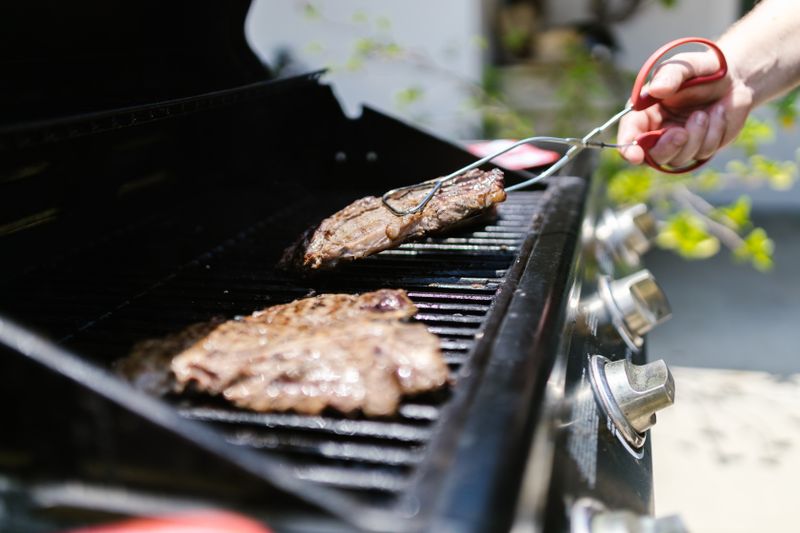
Even premium steaks lose quality when small mistakes occur. Fortunately, each mistake has an easy solution.
Assuming the Steak Must Reach Room Temperature
A ribeye does not need to reach room temperature before grilling. Keeping it refrigerated until preparation also limits unnecessary time in the food-safety danger zone.
For more consistent results, focus on even thickness, a dry surface, controlled grill zones, and internal temperature rather than trying to warm the raw steak on the counter.
Moving the Steak Before It Begins to Brown
Flipping more than once does not automatically ruin the crust. You may turn the steak once or several times, depending on your preferred method.
The more important mistake is repeatedly moving or lifting the steak before the surface has had time to make steady contact with the hot grate. Use tongs and monitor browning rather than following a strict one-flip rule.
Skipping the Thermometer
Cooking by time alone often leads to inconsistent results. An instant-read thermometer provides much greater accuracy.
Pressing the Steak
Pressing firmly on the ribeye can force some hot liquid and rendered fat onto the grill, potentially causing flare-ups. Leave the steak undisturbed except when turning, moving, or checking its temperature.
Cutting Immediately
Cutting immediately after grilling can release more liquid onto the cutting board. Let the ribeye rest for at least three minutes before slicing; thicker steaks may benefit from a longer rest.
6. Flavor Ideas and Serving Suggestions
After mastering how to grill ribeye steak, you can customize every meal with simple finishing touches.
Popular toppings include:
- Garlic herb butter
- Chimichurri
- Blue cheese crumbles
- Roasted mushrooms
- Caramelized onions
Great side dishes include:
- Grilled asparagus
- Baked potatoes
- Corn on the cob
- Grilled vegetables
- Caesar salad
A squeeze of fresh lemon or a sprinkle of flaky sea salt adds brightness without overpowering the rich beef flavor.
7. FAQs
How long should a ribeye stay on the grill?
When determining how long to grill ribeye steak, consider its thickness, grill temperature, and the desired final temperature. A one-inch ribeye often takes approximately 6 to 12 minutes over medium-high or high heat, while thicker steaks may take longer and benefit from finishing over indirect heat.
Cooking time is only an estimate. Use an instant-read thermometer and cook whole beef steak to at least 145°F, followed by a minimum three-minute rest.
What grill temperature works best for ribeye?
A high-heat zone between approximately 450 and 500°F works well for searing ribeye. For thick steaks, also create a cooler zone so the center can continue cooking without burning the exterior.
Can you grill ribeye straight from the refrigerator?
Yes. A ribeye can go onto the grill after being removed from the refrigerator, dried, and seasoned. It does not need to reach room temperature first.
Patting the surface dry, using two heat zones, and checking the center with a thermometer have a greater practical effect on consistency. Keep total unrefrigerated time below two hours, or one hour when the outdoor temperature exceeds 90°F.
8. Conclusion
Mastering how to grill ribeye steak comes down to choosing a well-marbled, evenly cut steak, controlling direct and indirect heat, and checking internal temperature instead of relying only on cooking time or color.
Sear the ribeye over the hotter side of the grill, move it to a cooler zone when necessary, and use a food thermometer in the thickest part. For USDA safety guidance, cook whole beef steak to at least 145°F and let it rest for a minimum of three minutes.
With those fundamentals in place, you can adjust the seasoning, cooking method, and final temperature to suit the meal without depending on rigid timing rules.