Learning how to start a charcoal grill properly helps cooks create steady heat, better flavor, and more enjoyable outdoor meals. Although charcoal grilling requires more preparation than gas grilling, the right technique makes the process simple and reliable.
A successful charcoal fire depends on the right charcoal, proper airflow, and a suitable lighting method. Therefore, every griller should understand the basic steps before cooking. This guide explains the easiest ways to light charcoal, including how to start a charcoal grill without lighter fluid, how to use different charcoal grills, and how to know when the grill is ready.
1. What You Need Before Starting
Before learning how to start a charcoal grill, cooks should prepare the right tools and charcoal to create an efficient and safe fire. Proper preparation helps charcoal burn evenly and prevents common lighting issues.
The type of charcoal affects heat, cooking time, and flavor. Cooks can choose between two main options:
- Charcoal briquettes: Briquettes provide steady heat and burn for a longer time, making them suitable for everyday grilling.
- Lump charcoal: Lump charcoal often lights faster and can reach higher temperatures, while briquettes usually provide more predictable, longer-lasting heat.
Besides charcoal, cooks should prepare these essential tools:
- Chimney starter, electric charcoal starter, or natural fire starters
- Long lighter or matches
- Heat-resistant gloves
- Long-handled tongs
- Grill brush for cleaning the grate
- Natural fire starters or newspaper
Keep the grill outdoors on a stable, noncombustible surface, away from buildings, railings, low branches, and anything that can burn. The National Fire Protection Association also recommends keeping children and pets at least 3 feet away from the grilling area and using only charcoal starter fluid if starter fluid is used.
2. Standard Method to Start a Charcoal Grill
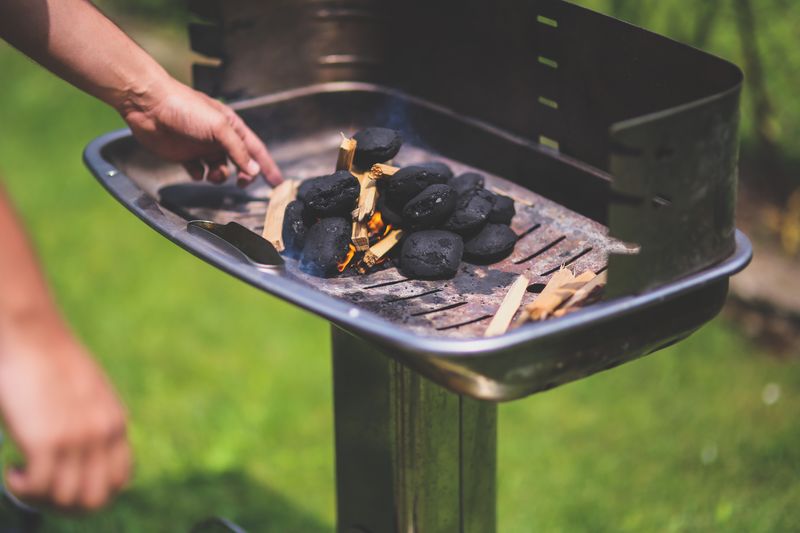
The chimney starter method remains one of the easiest ways for beginners to learn how to start a charcoal grill because the tool helps charcoal heat evenly. This method also reduces the need for lighter fluid and creates consistent cooking temperatures.
Cooks can follow these steps:
- Clean the grill first. Clean the grill to remove old ash because leftover ash can block airflow and prevent charcoal from burning properly.
- Fill the chimney starter with charcoal. Add enough charcoal based on the amount of food and cooking time.
- Remove the cooking grate, place lighter cubes or crumpled newspaper on the charcoal grate, then set the filled chimney starter directly over the starter.
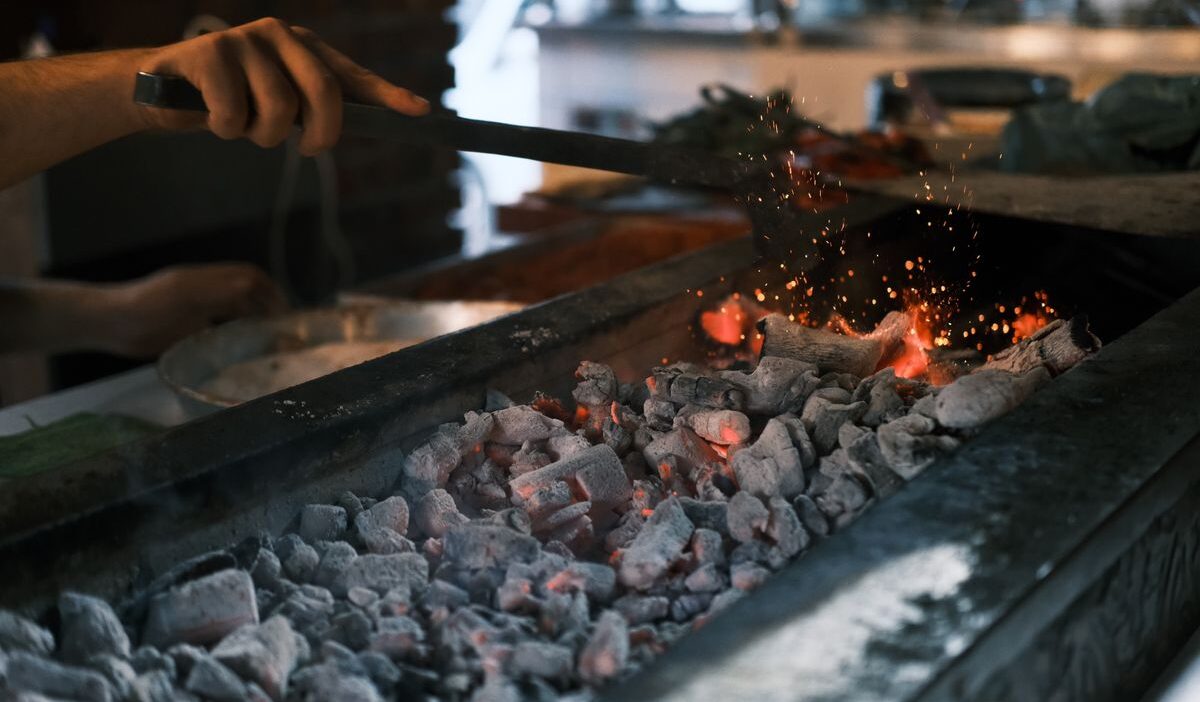
- Light the starter and wait. Depending on the weather and charcoal type, the coals are usually ready in about 10 to 15 minutes, or around 15 minutes for many briquettes, when the top pieces start turning gray with ash.
- Pour the charcoal into the grill carefully. Use heat-resistant gloves and long tools to avoid burns.
- Arrange the charcoal based on your cooking method. Create an even layer for direct grilling or place charcoal on one side for indirect cooking.
After placing the charcoal, cooks should keep the grill vents open because oxygen helps the fire grow. After arranging the coals, put the cooking grate back in place, close the lid, keep the vents open, and let the grill preheat before adding food.
3. Alternative lighting methods
Different grilling situations require different lighting techniques. Some cooks prefer to avoid lighter fluid, while others may not own a chimney starter. Fortunately, several methods can help cooks create a strong charcoal fire.
Lighting Charcoal without Lighter Fluid
Many grillers search for how to start a charcoal grill without lighter fluid because they want a cleaner lighting process. Lighter fluid can leave unwanted odors, and excessive use may affect the taste of grilled food.
Instead, cooks can use these alternatives:
- Chimney starter: A chimney starter uses heat concentration and airflow to ignite charcoal naturally.
- Natural fire starters: Wax cubes, wood wool, or other grilling starters can provide a simple fuel source without the lighter-fluid smell.
- Electric charcoal starter: This tool heats charcoal directly and eliminates the need for additional fuel. Use it only according to the manufacturer’s instructions and keep the cord away from heat, water, and foot traffic.
When cooks use these methods, they should wait until the charcoal develops a layer of gray ash before cooking. This step shows that the charcoal has reached a stable temperature and can provide more consistent heat.
Starting Charcoal Without a Chimney
Some cooks need to know how to start a charcoal grill without a chimney because they do not have a chimney starter available. Although a chimney makes lighting easier, cooks can still build an effective charcoal fire without one.
The pyramid method works well for many charcoal grills. This method requires cooks to:
- Stack charcoal pieces into a small pyramid shape.
- Leave spaces between charcoal pieces to improve airflow.
- Place a natural fire starter or a small amount of crumpled newspaper underneath the charcoal, leaving enough space for airflow.
- Light the starter and allow the charcoal to catch fire.
Additionally, cooks should avoid spreading charcoal too early because loose charcoal may take longer to heat. Keeping the charcoal grouped helps the fire build strength faster.
Once the charcoal pieces become covered with gray ash, cooks can spread them across the grill and begin cooking.
Starting a Weber Kettle or Similar Charcoal Grill
Kettle-style charcoal grills require proper airflow management because the vents control heat intensity. Therefore, understanding how to start a Weber charcoal grill helps cooks achieve better temperature control.
For a Weber kettle or similar grill, cooks should follow these steps:
- Open the lid damper and bottom vents fully.
- Empty old ash from the bottom bowl so airflow is not blocked.
- Remove the cooking grate.
- Light charcoal in a chimney starter or with another safe method.
- When the coals are lightly covered with ash, pour them onto the charcoal grate.
- Arrange the coals for direct or indirect cooking.
- Replace the cooking grate, close the lid, and let the grill preheat before cooking.
- Adjust the lid and bowl dampers gradually to reach the cooking temperature you want.
A two-zone fire setup works especially well for kettle grills. Cooks can place charcoal on one side of the grill and leave the other side without direct heat. This arrangement allows cooks to sear food over high heat and move food to the cooler side for slower cooking.
Do not close the lid over an unlit chimney starter. Close the lid after the lit coals have been poured into the grill and arranged for cooking. Proper vent adjustments help maintain stable temperatures and improve grilling results.
>>> Read more: How to Light a Charcoal Grill for Beginners
4. Knowing When the Charcoal Grill Is Ready for Cooking
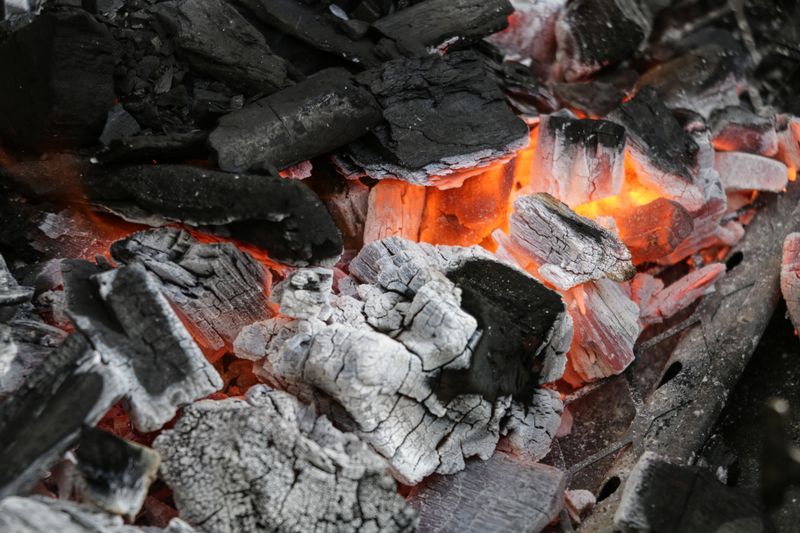
After learning how to start a grill with charcoal, cooks should understand when the charcoal reaches the right cooking stage. Starting the fire is only the first step because properly heated charcoal creates better flavor and more consistent results.
Cooks can check charcoal readiness through several signs:
- Gray ash covers the charcoal: Most charcoal pieces should have a light gray coating before cooking begins.
- Steady heat without tall flames: The coals should glow and radiate heat instead of producing large active flames.
- The cooking grate is preheated: The grate should be hot before food goes on, but do not touch it with bare hands.
- The charcoal maintains a steady glow: Consistent burning charcoal creates reliable cooking temperatures.
The waiting time depends on the charcoal type and lighting method. Briquettes usually require more time to heat completely, while lump charcoal often becomes ready faster.
Additionally, cooks should avoid placing food on the grill too early. Unready charcoal, damp charcoal, or lighter fluid that has not burned off can create uneven heat, excess smoke, and unpleasant flavors.
5. Common Charcoal Lighting Problems and Fixes
Even experienced cooks can face charcoal problems. Fortunately, most issues have simple solutions.
Charcoal Will Not Stay Lit
Charcoal may not stay lit when the grill lacks airflow or the charcoal contains moisture. Cooks should:
- Open the vents to increase oxygen.
- Remove excess ash that blocks airflow.
- Use dry charcoal for easier lighting.
Charcoal Produces Too Much Smoke
Too much thick white smoke often comes from damp charcoal, too much paper, excessive lighter fluid, poor airflow, or dirty grates. Use dry charcoal, clean the grill, improve ventilation, and let starter fluid burn off fully before cooking.
The Grill Is Not Hot Enough
A grill may stay too cool when cooks use too little charcoal or limit airflow. Open the vents to increase oxygen, add charcoal carefully if needed, and close the lid after the coals are lit and arranged so heat can build.
Charcoal Burns Too Quickly
Charcoal can burn too fast when airflow is too strong. Cooks should adjust the vents gradually to control oxygen and extend the charcoal’s burning time.
>>> Read more: How Long to Grill Brats Without Drying Them Out
6. FAQs
Is lighter fluid bad for charcoal grilling?
Charcoal starter fluid can be used safely only when you follow the product directions and use it before the fire is active. Many cooks prefer a chimney starter or natural fire starters because they avoid lighter-fluid smell and reduce the risk of flare-ups. Never add lighter fluid to burning or hot charcoal.
Can you add more charcoal after the grill is already lit?
Yes. Add small amounts gradually during longer grilling sessions, using tongs or heat-resistant gloves. Give fresh charcoal time to ignite before placing food directly over it, especially if you are adding unlit briquettes.
Should grill vents be open when lighting charcoal?
Yes, cooks should keep vents open while lighting charcoal because airflow helps the fire burn faster. Cooks can adjust the vents later to control temperature.
Can damp charcoal still be used?
Damp charcoal can be difficult to light and may create more smoke. Cooks should use dry charcoal because it burns more efficiently.
Is lump charcoal harder to light than briquettes?
Lump charcoal usually lights faster than briquettes and reaches higher temperatures. However, briquettes often provide more consistent heat for beginners.
7. Conclusion
Learning how to start a charcoal grill helps cooks create steady heat and flavorful meals. The right charcoal, airflow, and lighting method make grilling easier and more consistent.
Whether cooks use a chimney starter, learn how to start a charcoal grill without lighter fluid, or try a chimney-free method, proper preparation leads to better results. By using dry charcoal, adjusting vents, and waiting until the coals are ready, every griller can enjoy successful charcoal cooking.