
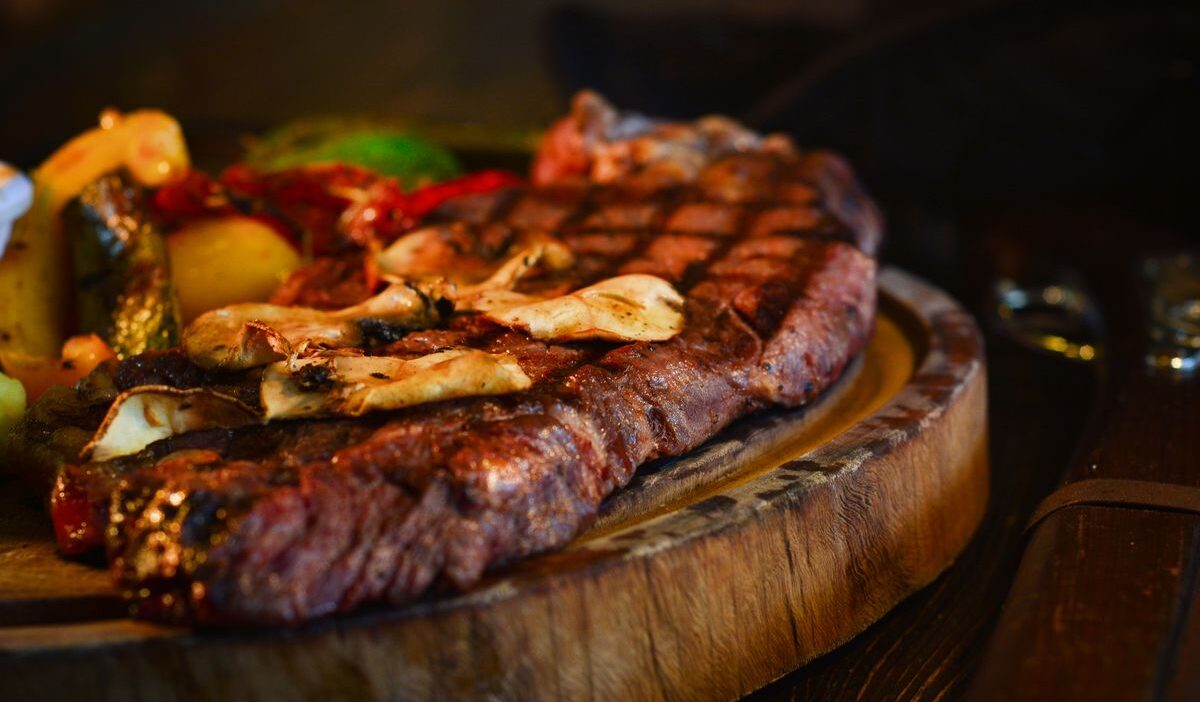
Filet mignon stands apart from most other steak cuts because it comes from the tenderloin. This unique location gives the meat its signature tenderness. If you are a big fan of filet mignon, read on to learn how to grill filet mignon and achieve a perfectly seared exterior and a juicy, tender center.
1. Filet Mignon Is Different From Other Steaks
Filet mignon is often more expensive because of its rarity. When compared to a ribeye, filet mignon is leaner and has a more delicate flavor profile. Ribeye, on the other hand, is known for its abundant marbling, richer taste, and greater juiciness.
In comparison with a New York strip, filet mignon is noticeably more tender and lower in fat. Sirloin offers a meatier taste at a lower price point, but it generally cannot match the tenderness of filet mignon.
Filet mignon requires careful cooking and is most commonly served rare to medium-rare, as cooking it beyond medium can cause it to lose moisture and become less tender. To enhance its subtle flavor, chefs often pair it with rich accompaniments such as peppercorn sauces, wine reductions, compound butters, or bacon wrapping.
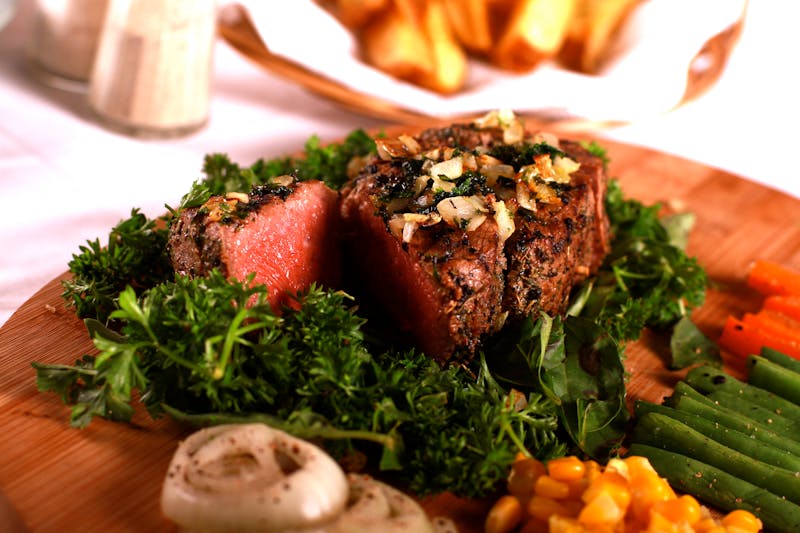
2. Prepare Before Grilling Filet Mignon
Before you begin, make sure you have the right tools.
Essential Equipment:
- A grill set up with two cooking zones – a high-heat area and a cooler area
- Long-handled tongs for turning the filet without piercing the meat and losing valuable juices
- Paper towel
- Clean grill grates coated lightly with oil to help prevent sticking
- A meat thermometer
Prepare the Steak Before It Hits the Grill:
- Remove the filet mignon from the refrigerator 30 to 60 minutes before grilling.
- Thoroughly pat the surface dry with paper towels.
- After seasoning, let the steak rest undisturbed so the seasonings can adhere properly.
- Preheat the grill completely before placing the steak on the grates. Set up your grill for two-zone cooking. One side should be very hot for searing, while the other side should be cooler or use indirect heat for finishing the steak.
How to Season Filet Mignon:
Filet mignon has a naturally delicate flavor, so seasoning should enhance rather than overpower the beef.
- Start with a generous coating of kosher salt and freshly ground black pepper on all sides of the steak.
- For the best results, season with salt at least 30 minutes before grilling. If time is limited, seasoning immediately before cooking is still effective.
- To add subtle layers of flavor, consider using a small amount of garlic powder, rosemary, thyme, or a light splash of Worcestershire sauce.
- Avoid heavy spice blends or strong marinades that can mask the steak’s natural character and buttery texture.
3. How Long to Grill Filet Mignon
If you’ve been asking how long to cook filet mignon on grill, the grilling time for filet mignon depends mainly on two factors: the steak thickness and how well done you want it (rare, medium-rare, medium). For filets that are approximately 1½ to 2 inches thick, refer to the following cooking times:
| Doneness | Internal Temperature | Approximate Grill Time |
|---|---|---|
| Rare | 125–130°F | 8-10 minutes |
| Medium-Rare | 130–135°F | 10-12 minutes |
| Medium | 140–145°F | 12-14 minutes |
>>> Read more: How Long to Grill Pork Chops: Exact Timing for Juicy, Even Results
4. How to Grill Filet Mignon Step-by-Step
Follow the full guide below so you can have the full picture for how to cook filet mignon on the grill:
Step 1: Sear the Steak Over Direct Heat
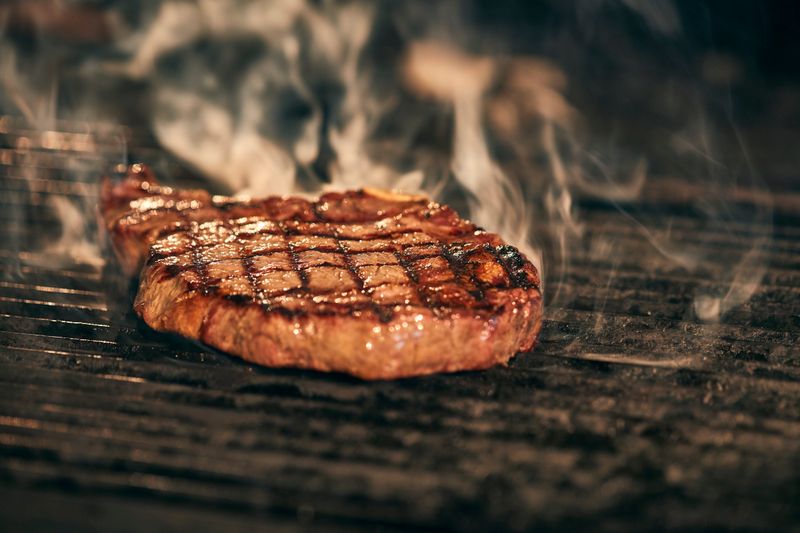
Place the filets directly over the hottest part of the grill. Let them cook undisturbed for approximately 2 to 3 minutes so a rich, deeply browned crust can develop.
Flip the steaks only once and sear the second side for another 2 to 3 minutes. If the filets are especially thick, briefly sear the edges as well to ensure even browning all around.
Step 2: Finish Cooking Over Lower or Indirect Heat
After searing, move the steaks to the cooler side of the grill if they have not yet reached their target temperature.
Close the grill lid and allow the indirect heat to cook the interior gradually. This gentler cooking method helps the filet remain tender while preventing the outside from becoming overly charred.
Step 3: Check Internal Temperature
Monitor the steak’s progress with an instant-read meat thermometer inserted into the thickest part of the filet.
One tip is to remove the steak from the grill when it is about 5°F below your desired final temperature. The internal temperature will continue to rise during the resting period due to carryover cooking.
Step 4: Rest Before Serving
Transfer the steaks to a cutting board or wire rack and let them rest for 5 to 10 minutes before serving.
Once rested, serve the filet whole or slice it against the grain for the most tender bite possible.
5. Common Filet Mignon Grilling Mistakes and Fixes
Not drying the surface. Moisture on the outside of the steak creates steam when it hits the grill, making it difficult to develop the deep brown crust that gives grilled steak its flavor.
Using too little seasoning. In fact, because filet mignon is naturally lean and has a milder flavor than heavily marbled cuts, insufficient seasoning can leave it tasting bland. Proper seasoning enhances the steak’s natural flavor without overpowering it. If the finished steak seems underseasoned, a sprinkle of flaky finishing salt or a small pat of butter can boost flavor and richness just before serving.
Cutting into the steak too soon. Slicing the filet immediately after cooking causes the juices to spill onto the cutting board instead of remaining inside the meat. Let the steak rest for 5 to 10 minutes before serving.
>>> Read more: How Long to Grill Burgers for Juicy Results
6. FAQs
What is the best temperature for grilling filet mignon?
Most steak enthusiasts consider medium-rare, between 130°F and 135°F, the ideal temperature for filet mignon. At this stage, the steak retains its signature tenderness, moisture, and buttery texture.
How long to grill filet mignon 2 inches thick?
A 2-inch-thick filet mignon typically takes 10–12 minutes total for medium-rare, grilling about 5–6 minutes per side over high heat. Always use a meat thermometer and aim for 130–135°F after resting for the most accurate results.
How do you grill filet mignon without drying it out?
Because filet mignon is a lean cut, preventing it from drying out comes down to controlling heat and avoiding overcooking. For the best texture and juiciness, aim for medium-rare. Avoid piercing the steak with a fork, excessive flipping, and use a thermometer to track doneness accurately.
Should I put butter on steak when grilling?
For extra richness, place a small pat of butter or compound butter on top of each steak while it rests. The butter will melt into the warm surface, adding another layer of flavor.
Avoid adding butter while the steak is searing over direct high heat because butter burns quickly and can leave a bitter flavor that ruins the crust.
How long should filet mignon rest after grilling?
Let filet mignon rest for at least 5–10 minutes after grilling. Resting allows the juices to redistribute throughout the meat, preventing them from running out when sliced.
7. Conclusion
If you prefer your steak more well done, keep in mind that filet mignon becomes drier the longer it cooks. In that case, it’s better to use lower heat and monitor the temperature closely, or consider saving premium cuts like filet mignon for medium-rare and choosing more forgiving cuts such as chuck or brisket for fully cooked, no-pink results. With the right technique, you can enjoy a tender, flavorful filet mignon that tastes like it came from a steakhouse.